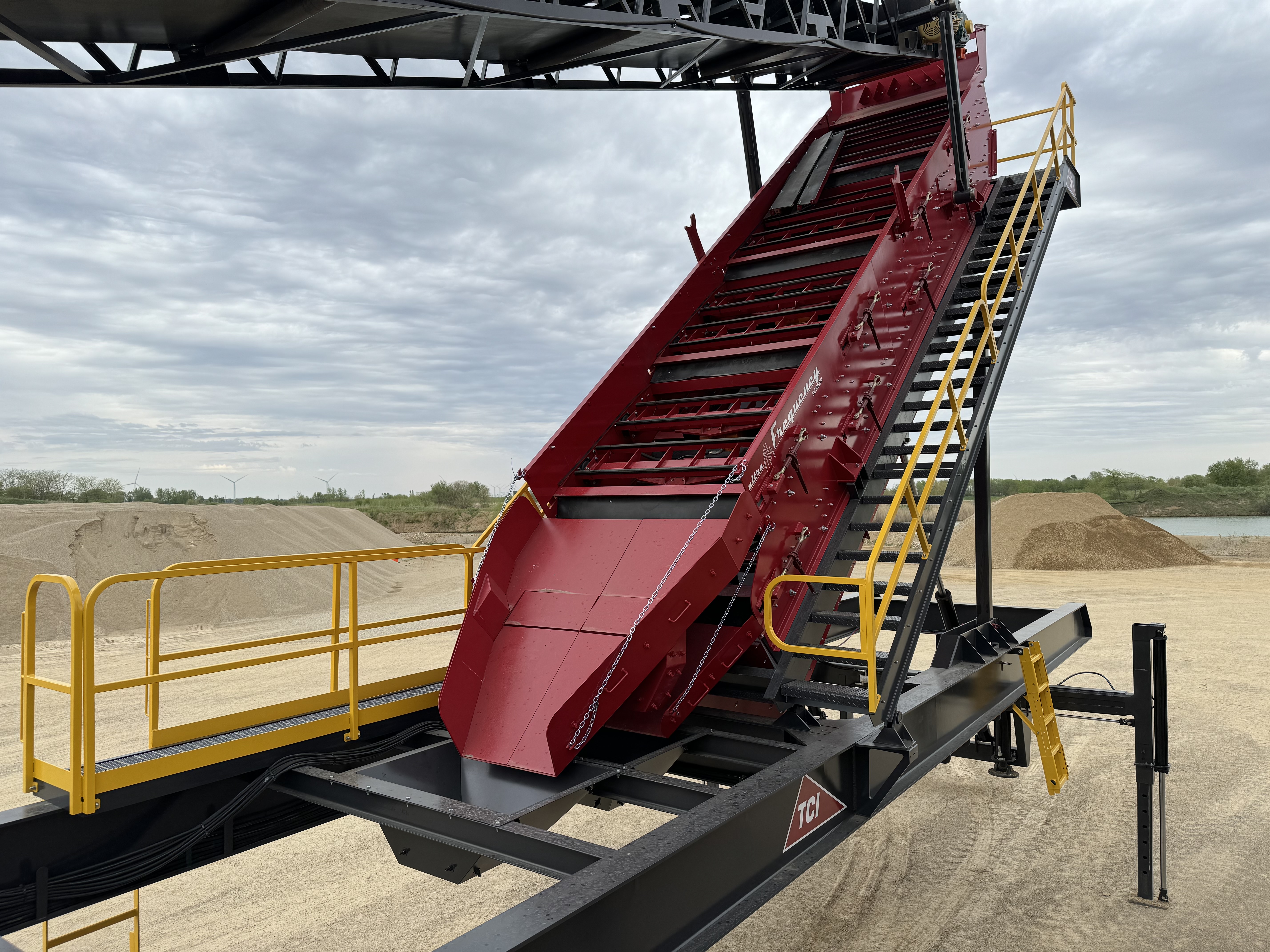
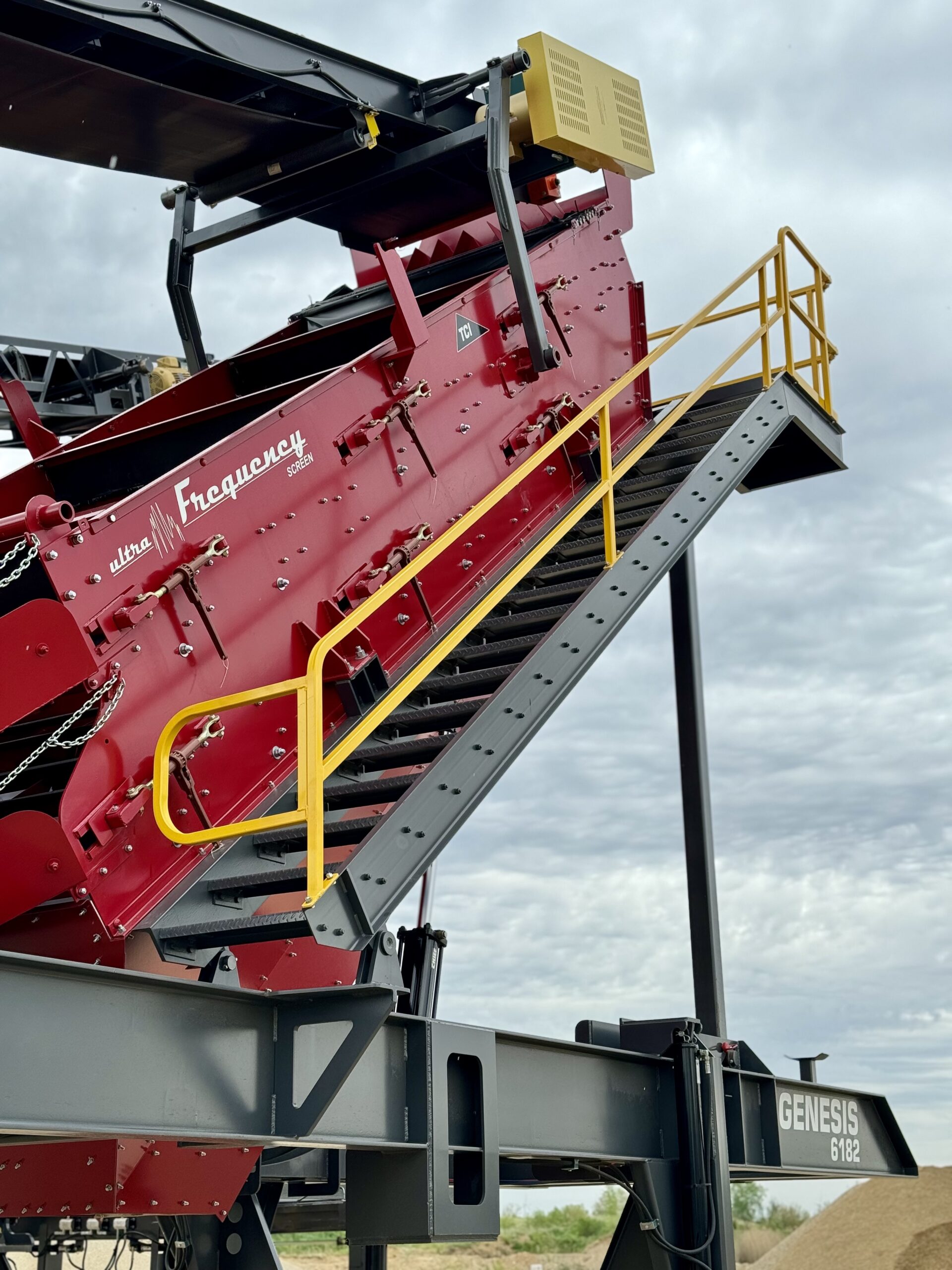
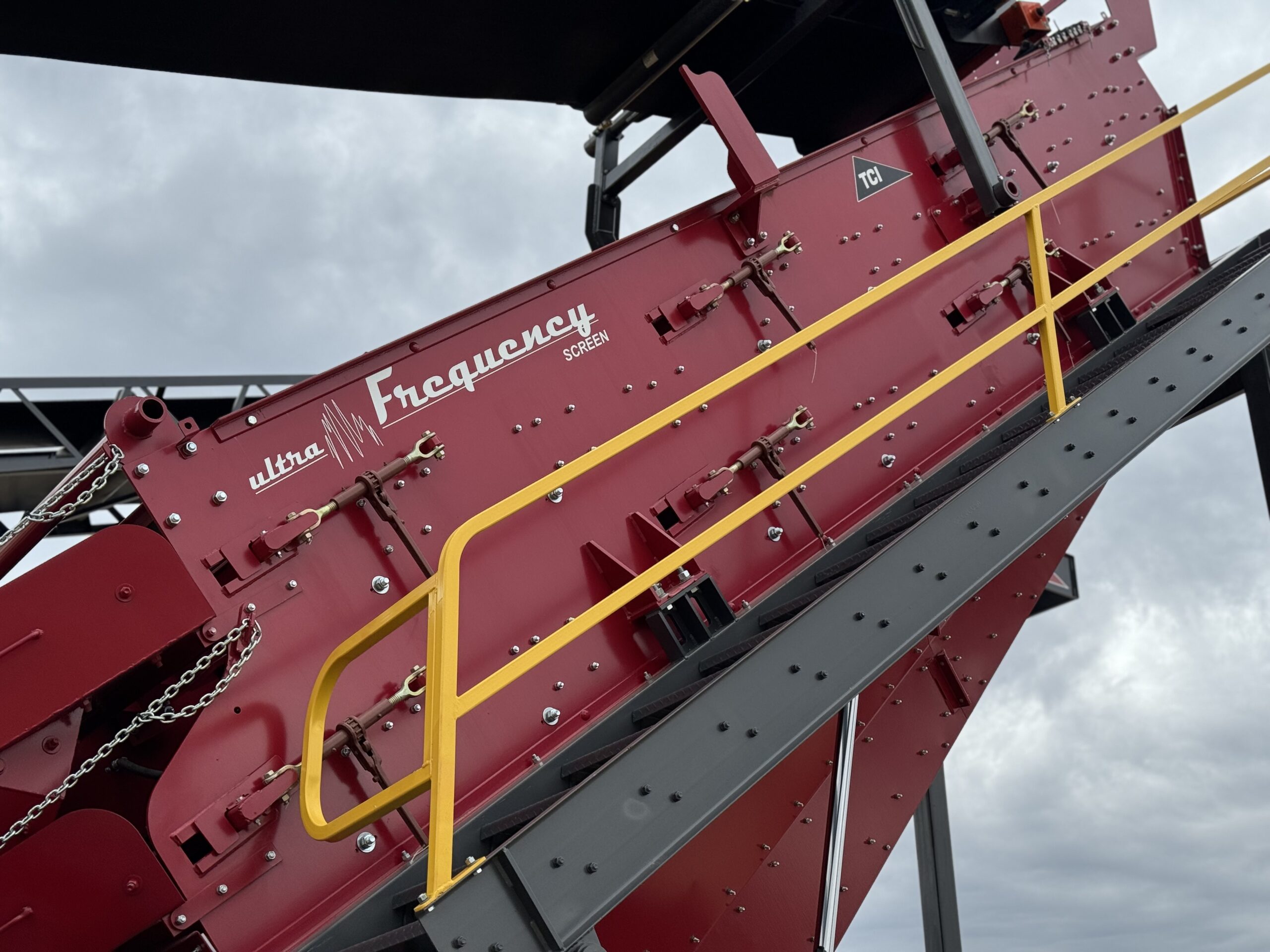
TCI HIGH-FREQUENCY SCREENS
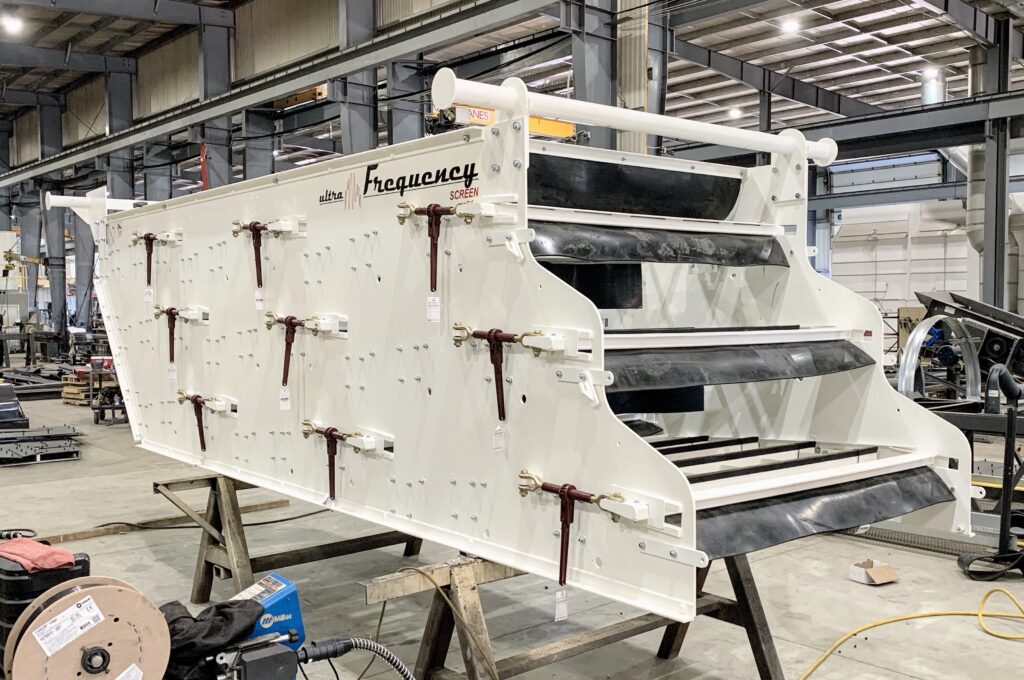
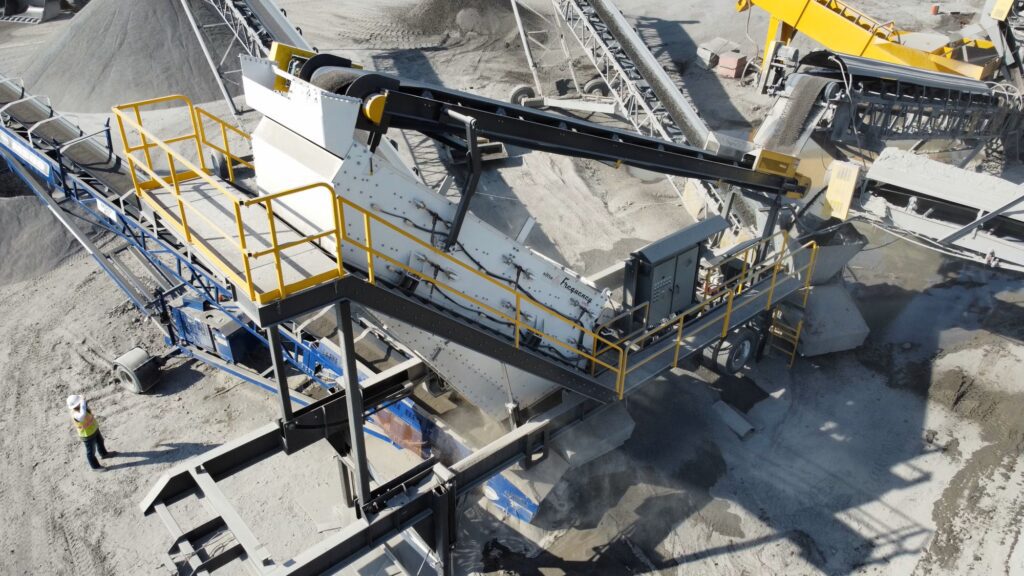
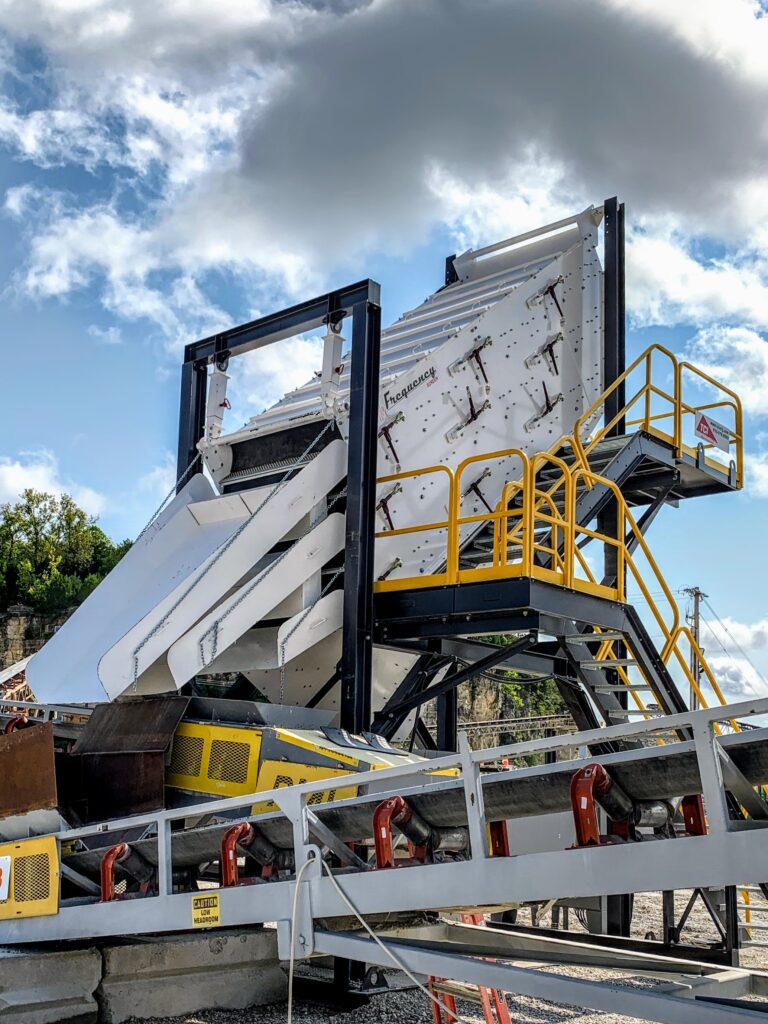
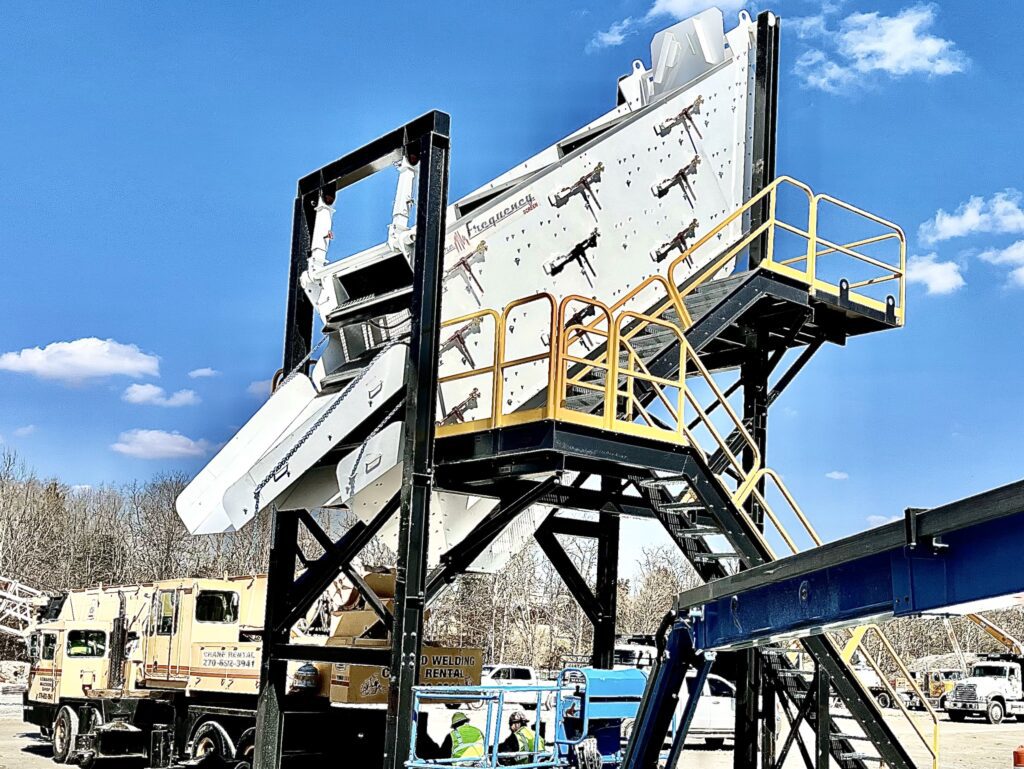
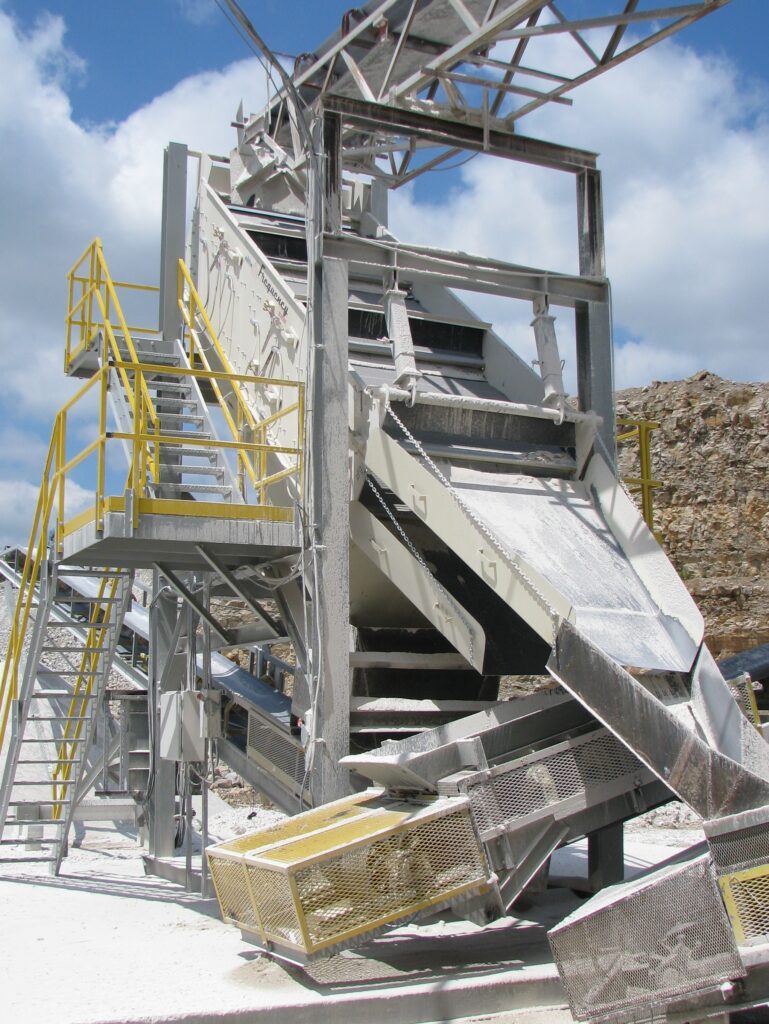
Wisconsin quarry operators and sand and gravel producers need screening equipment that holds a tight cut on fine material shift after shift. TCI Manufacturing has built aggregate processing equipment since 2000 from its base in Walnut, Illinois, within a day’s drive of Wisconsin job sites. Its high-frequency screens put their vibration straight into the media, so producers can seize dry fines that a conventional horizontal screen tends to blind over or carry into the wrong pile.
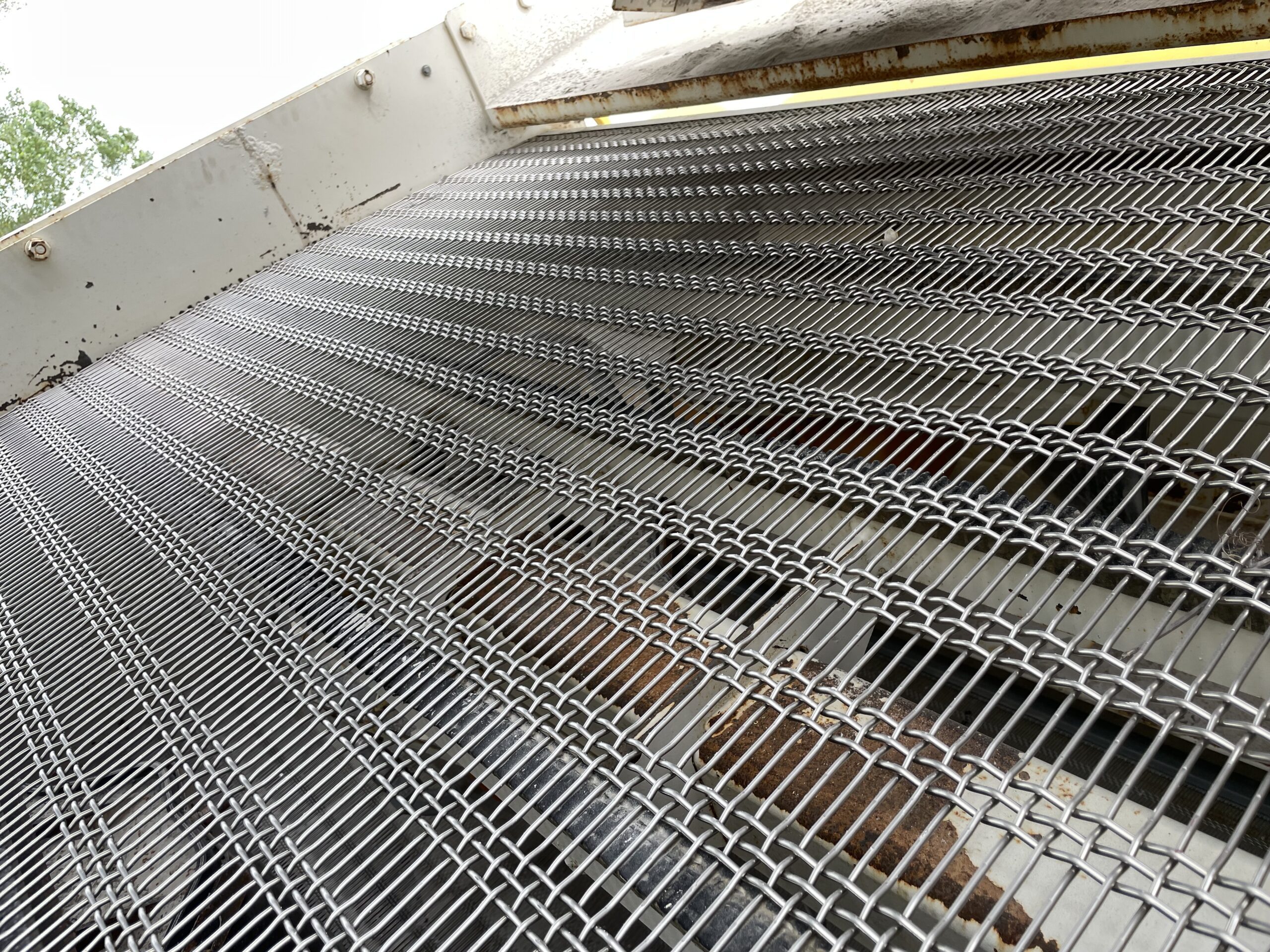
Screen performance depends heavily on setup. TCI’s team works with each producer to match screen media, deck openings, and vibration speed to the actual feed, whether that feed is crushed dolomite, glacial sand, or recycled asphalt. That guidance starts at the first startup and continues as product specifications change, so operators can adjust a deck or swap media with confidence. The target stays the same for the life of the machine, which is a clean, in-spec product at the best rate the material allows.
Guidelines to High-Frequency Screening Equipment
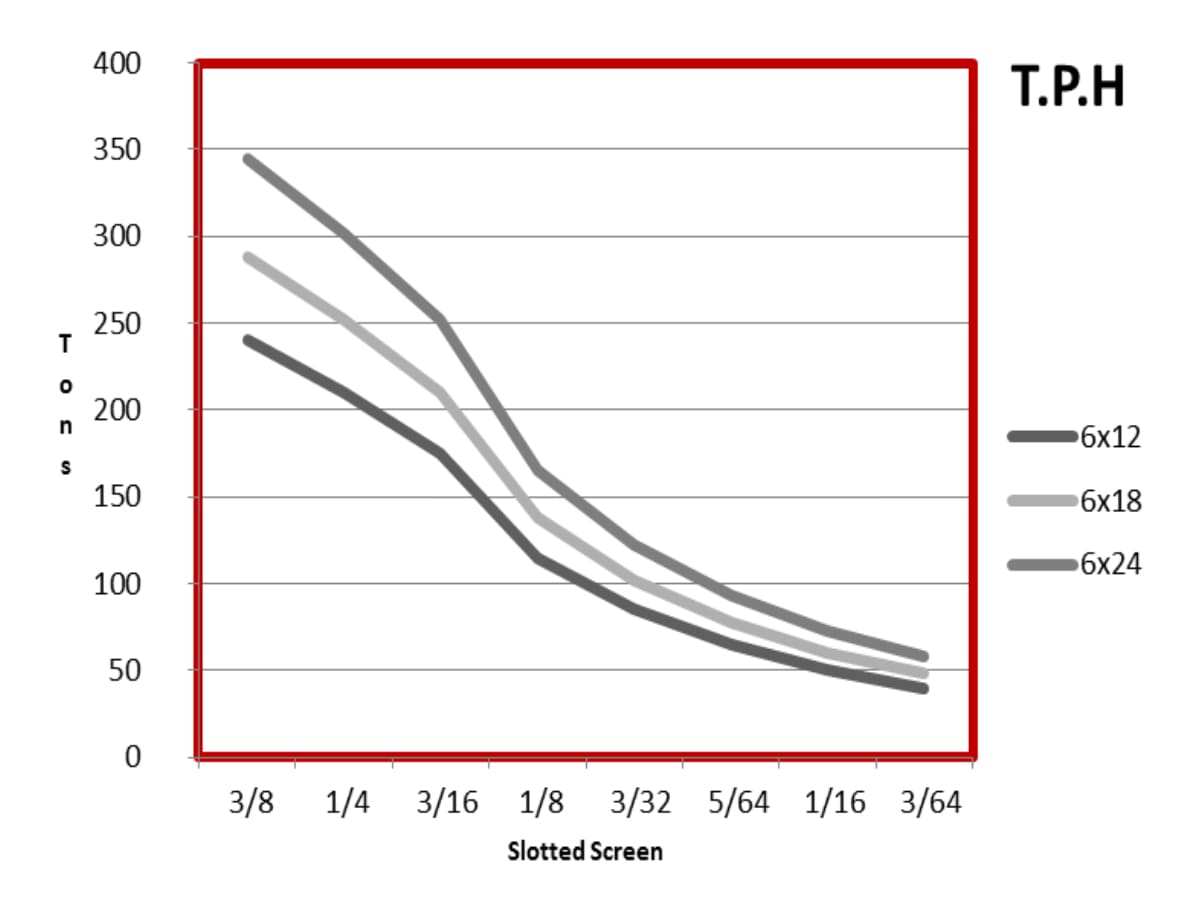
Operators in Wisconsin trying high-frequency vibration screening equipment for the first time, and those tuning an existing circuit, can use the capacity figures below as a starting point. TCI then refines those numbers against the real feed gradation and target products before recommending a screen size for the job.
| Basic Capacity Table* | |||
| Through Deck | Dry Material | ||
| Slotted Screen | 6x12 | 6x18 | 6x24 |
| 3/8 | 240 TPH | 288 TPH | 345 TPH |
| 1/4 | 210 TPH | 252 TPH | 302 TPH |
| 3/16 (4M) | 175 TPH | 210 TPH | 252 TPH |
| 1/8 (6M) | 115 TPH | 138 TPH | 165 TPH |
| 3/32 (8M) | 85 TPH | 102 TPH | 122 TPH |
| 5/64 (10M) | 65 TPH | 78 TPH | 93 TPH |
| 1/16 (12M) | 50 TPH | 60 TPH | 73 TPH |
| 3/64 (16M) | 40 TPH | 48 TPH | 58 TPH |
| 1/32" (20M) | 32 TPH | 38 TPH | 45 TPH |
Note: *Figures assume slotted screen media, dry material at 100 pounds per cubic foot, and feed that includes oversize to provide scrubbing action.
* Assumes material density of 100 LBS. per cubic foot

Industry-Leading Production Capabilities
Several design choices set TCI’s high-frequency screens apart from conventional sizing equipment:
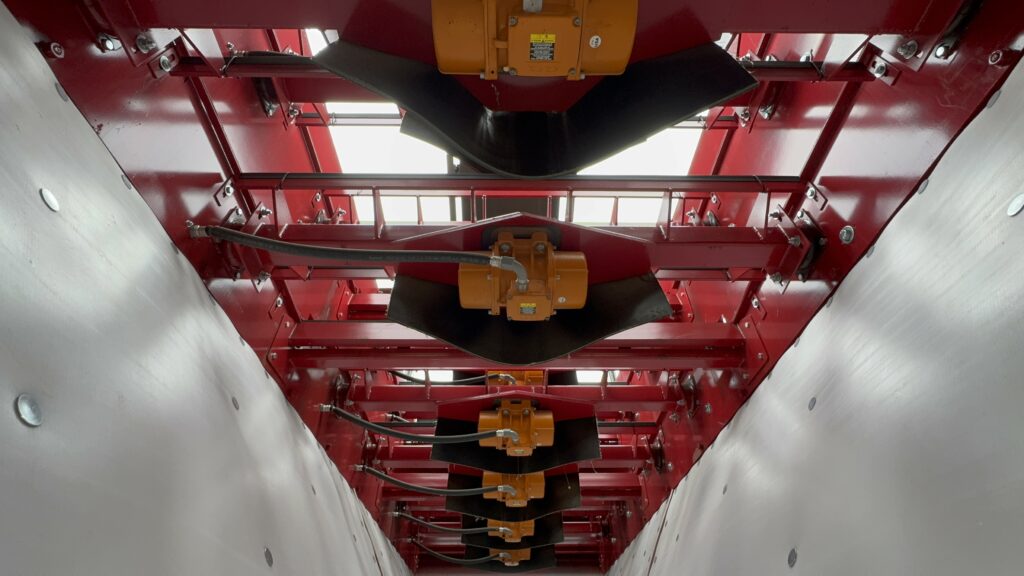
Direct-to-Media Vibration:
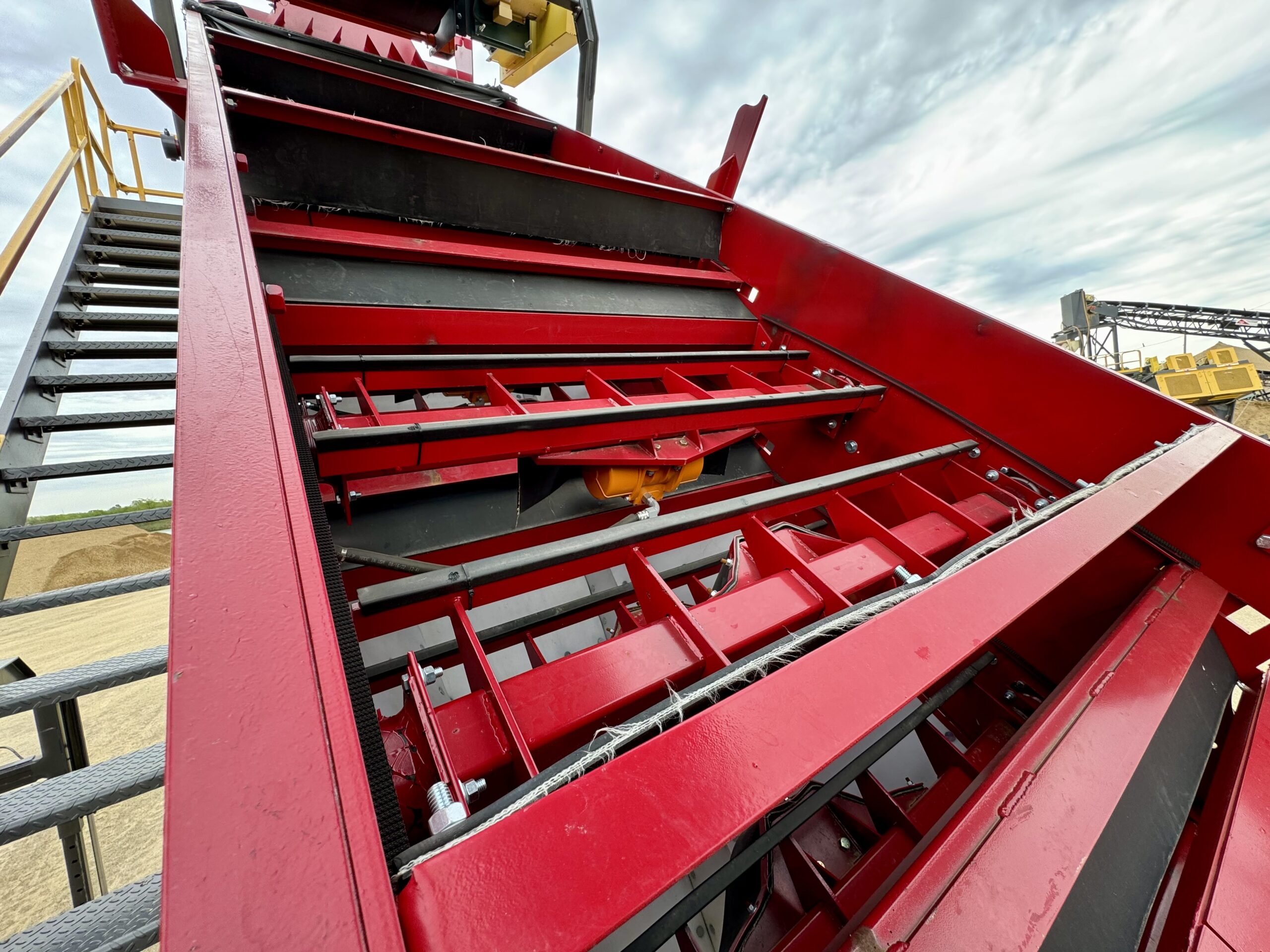
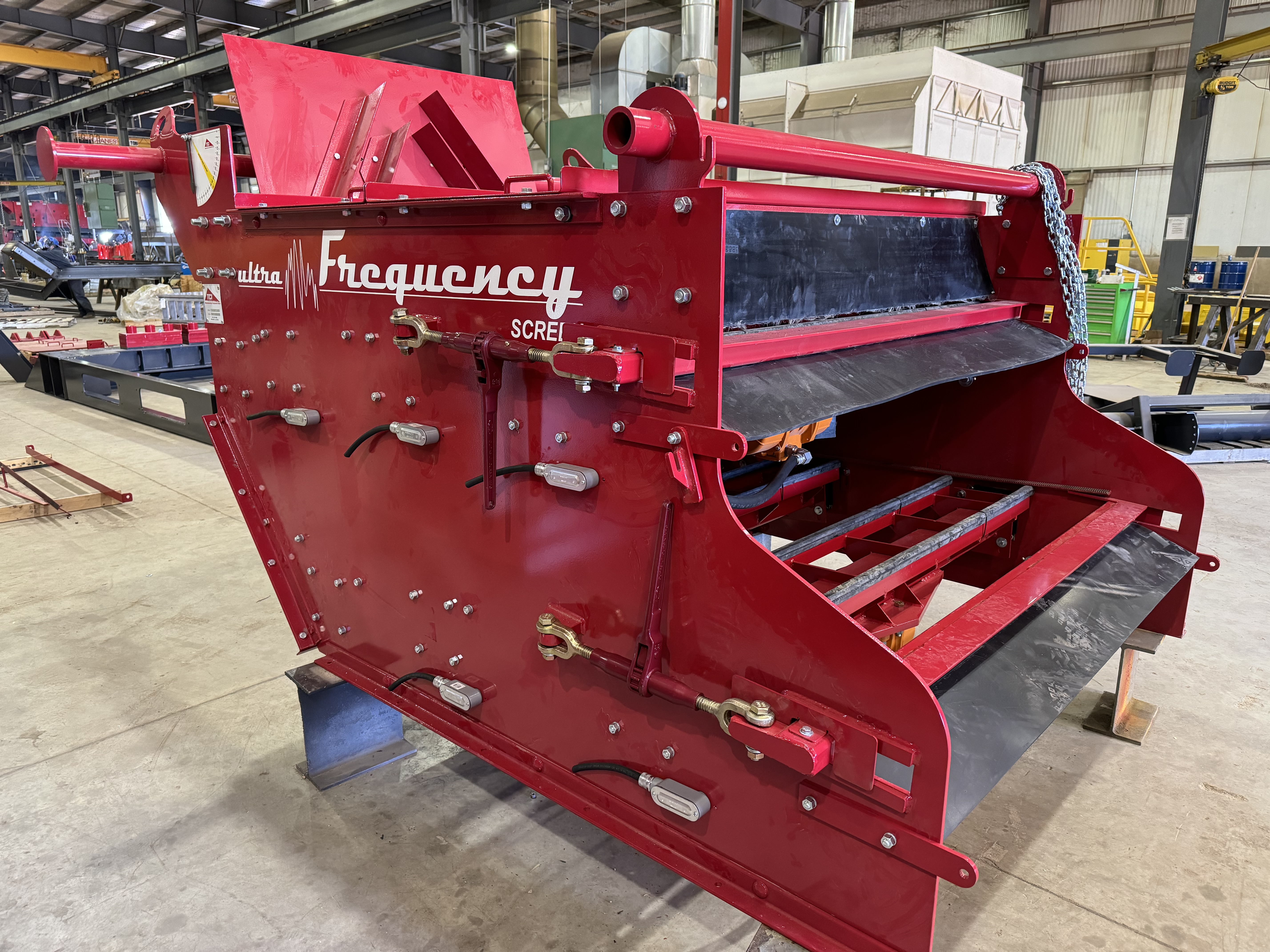
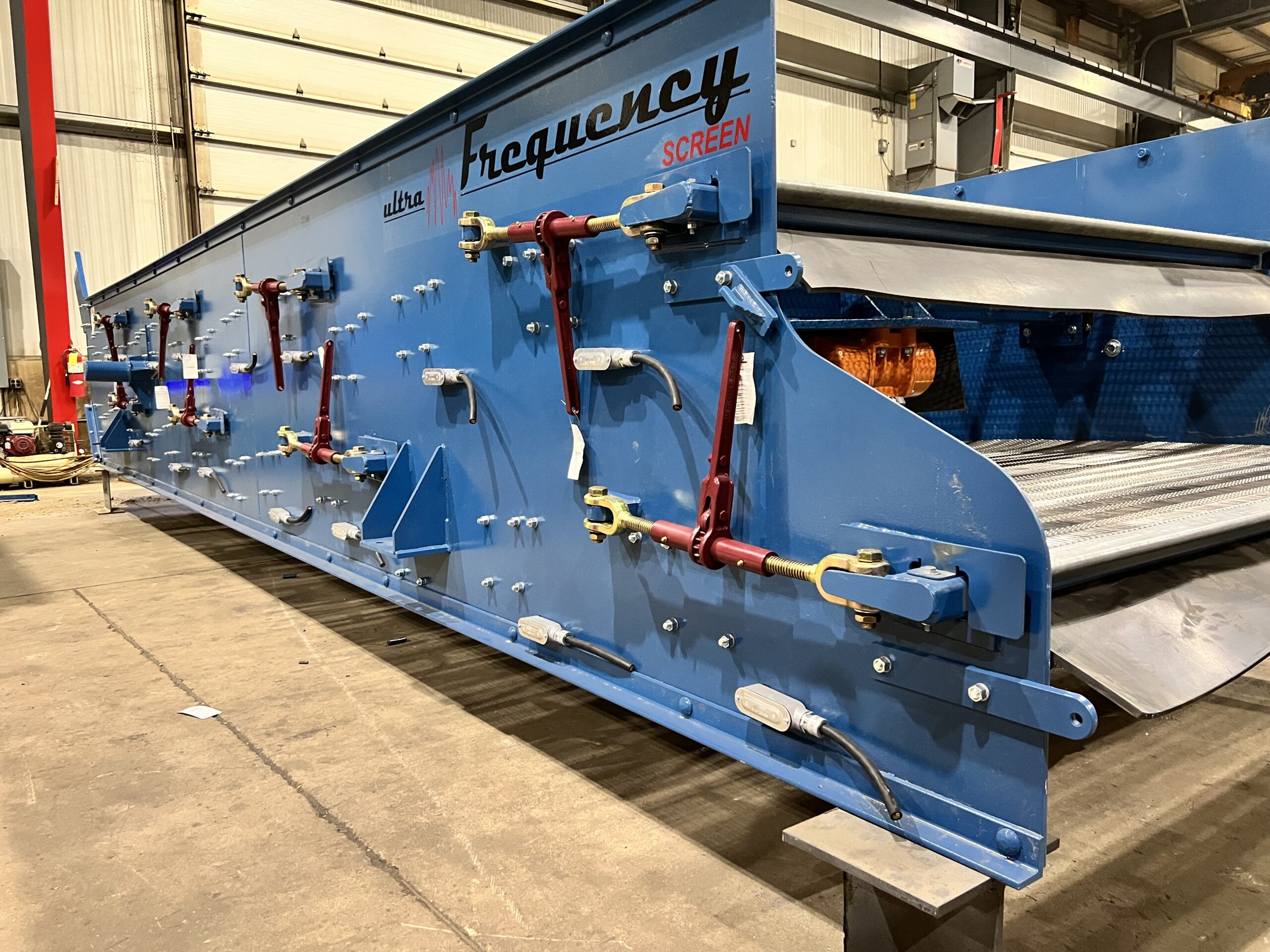
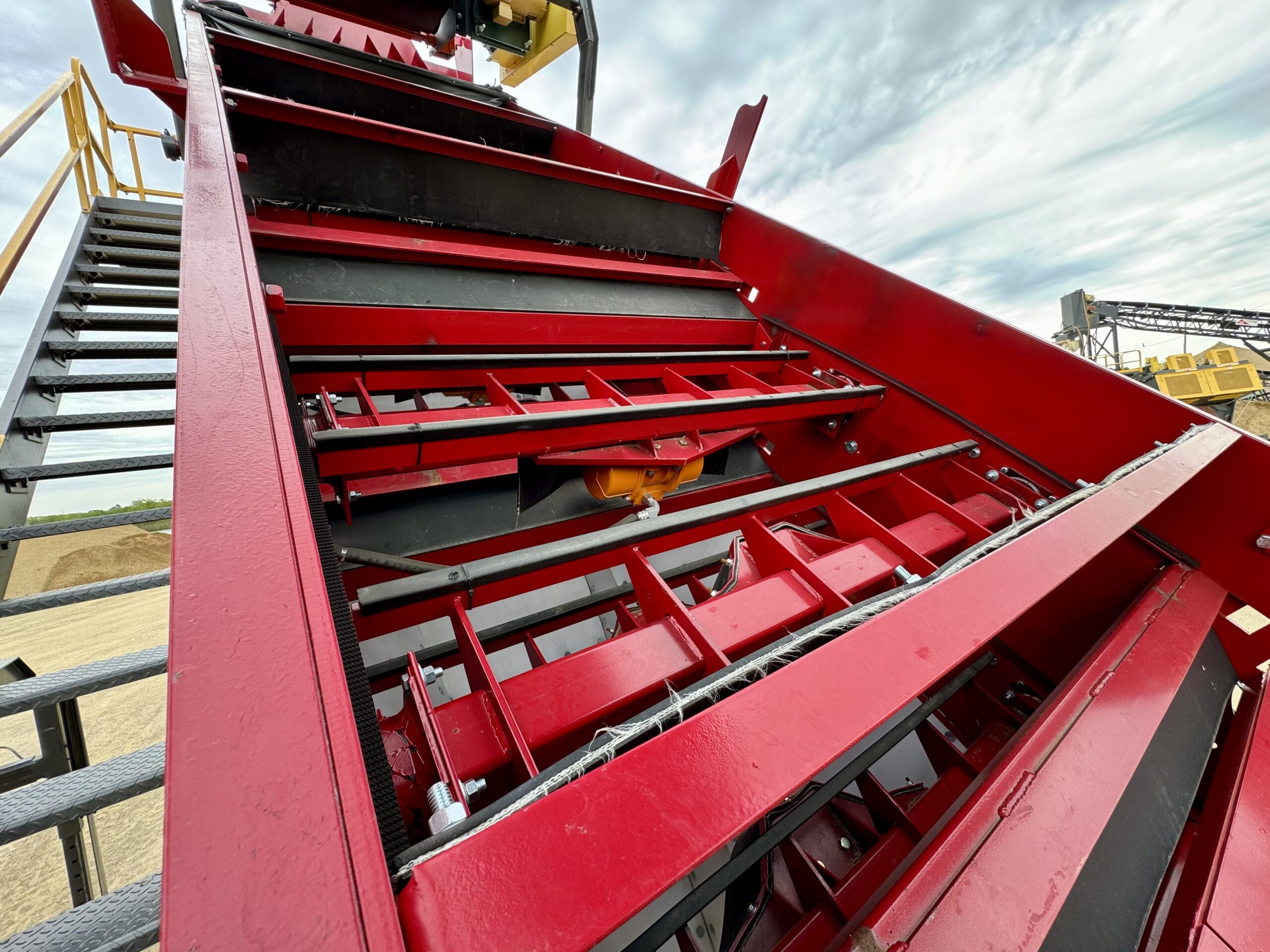
The vibrators drive the screen media itself at 3600 RPM, which keeps fine particles moving across tight openings and sharpens the cut.
Separation Range:
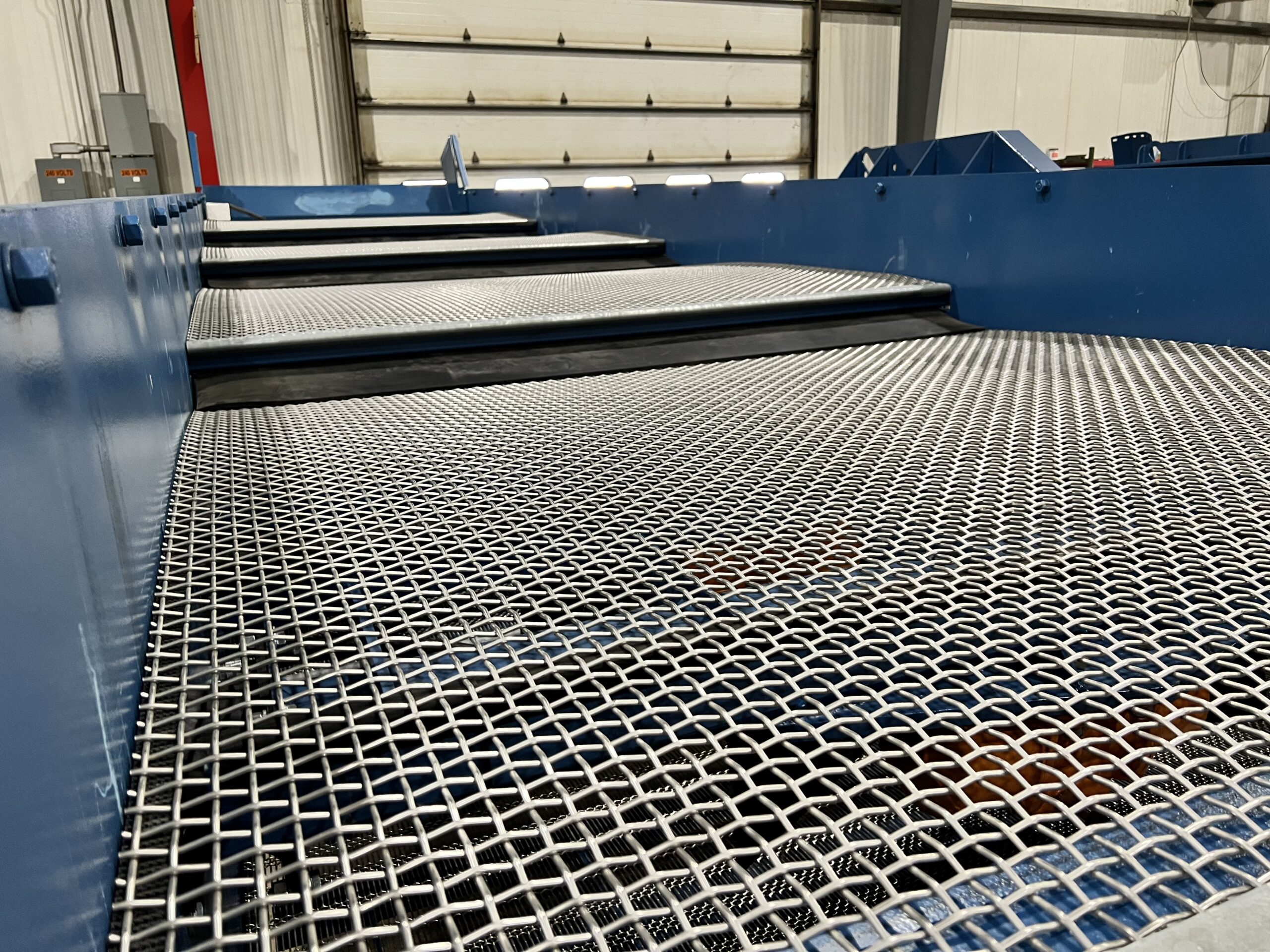
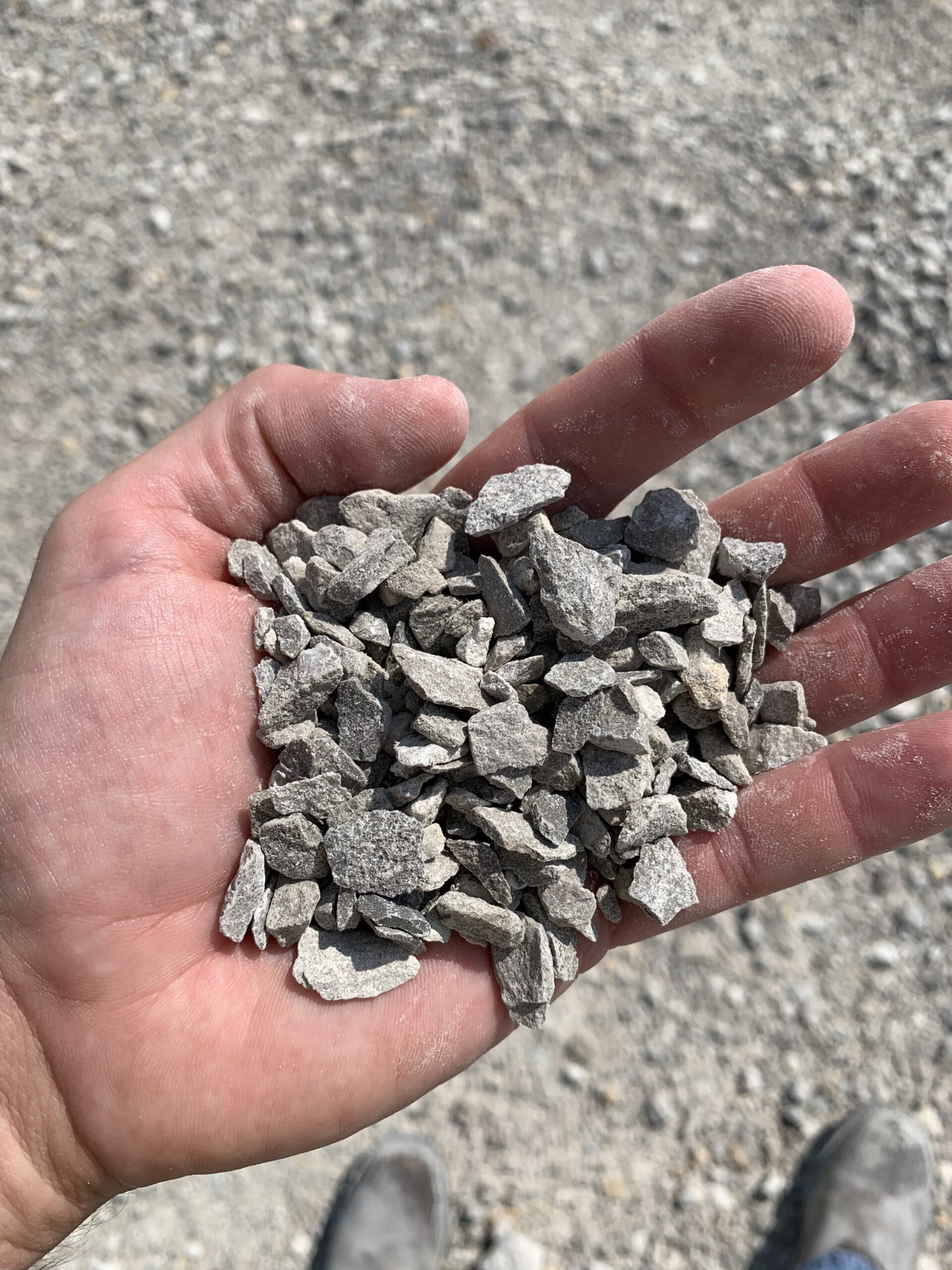
Standard openings run from 1/2 inch down to 20 mesh, which covers asphalt chip, ag-lime, and fine sand products.
Deck Options:
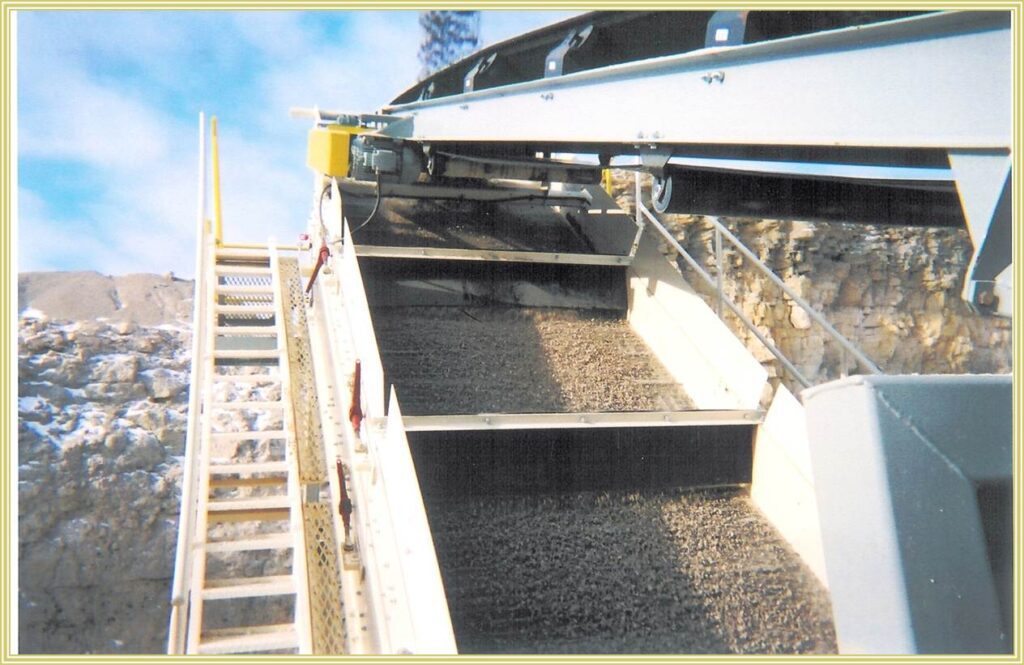
Producers choose a single or double deck, and TCI builds custom deck arrangements when a product spec calls for something different.
Variable Frequency Drive:
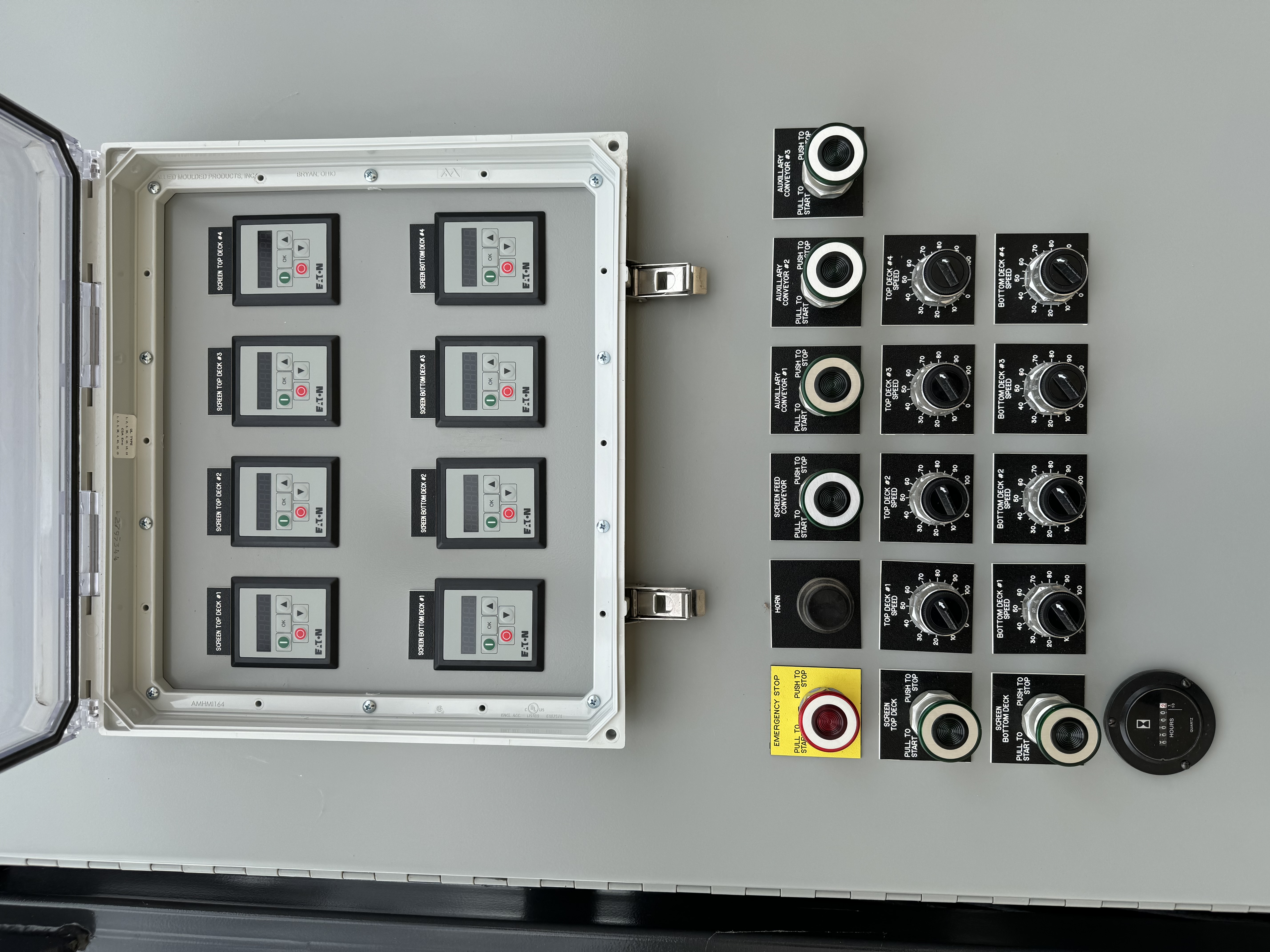
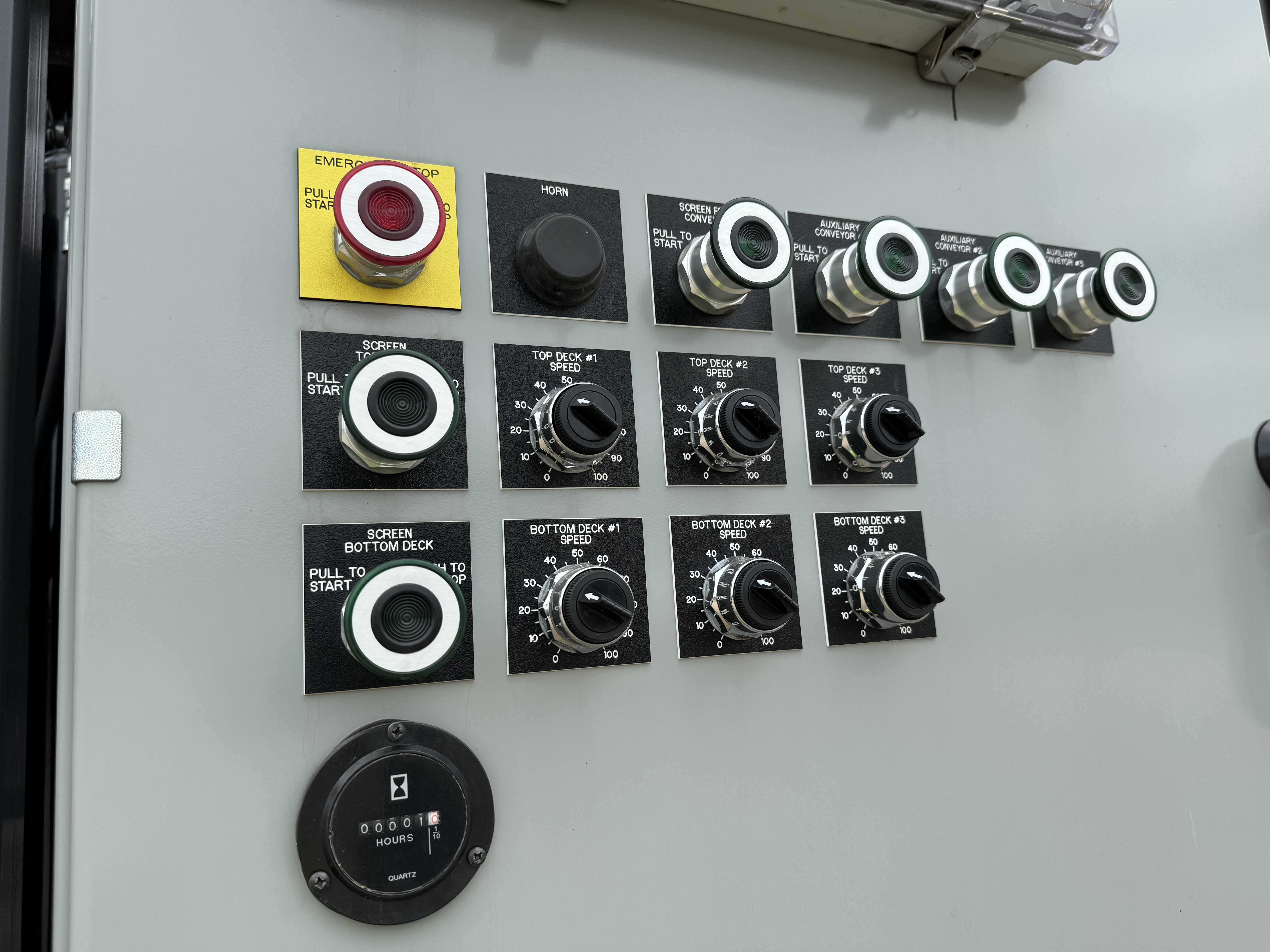
A VFD lets operators tune vibration speed to a specific material rather than running every feed at one fixed setting.
Electric or Hydraulic Power:
Electric vibration is the most common choice, and hydraulic vibration gives an alternative for setups that run on hydraulic power.
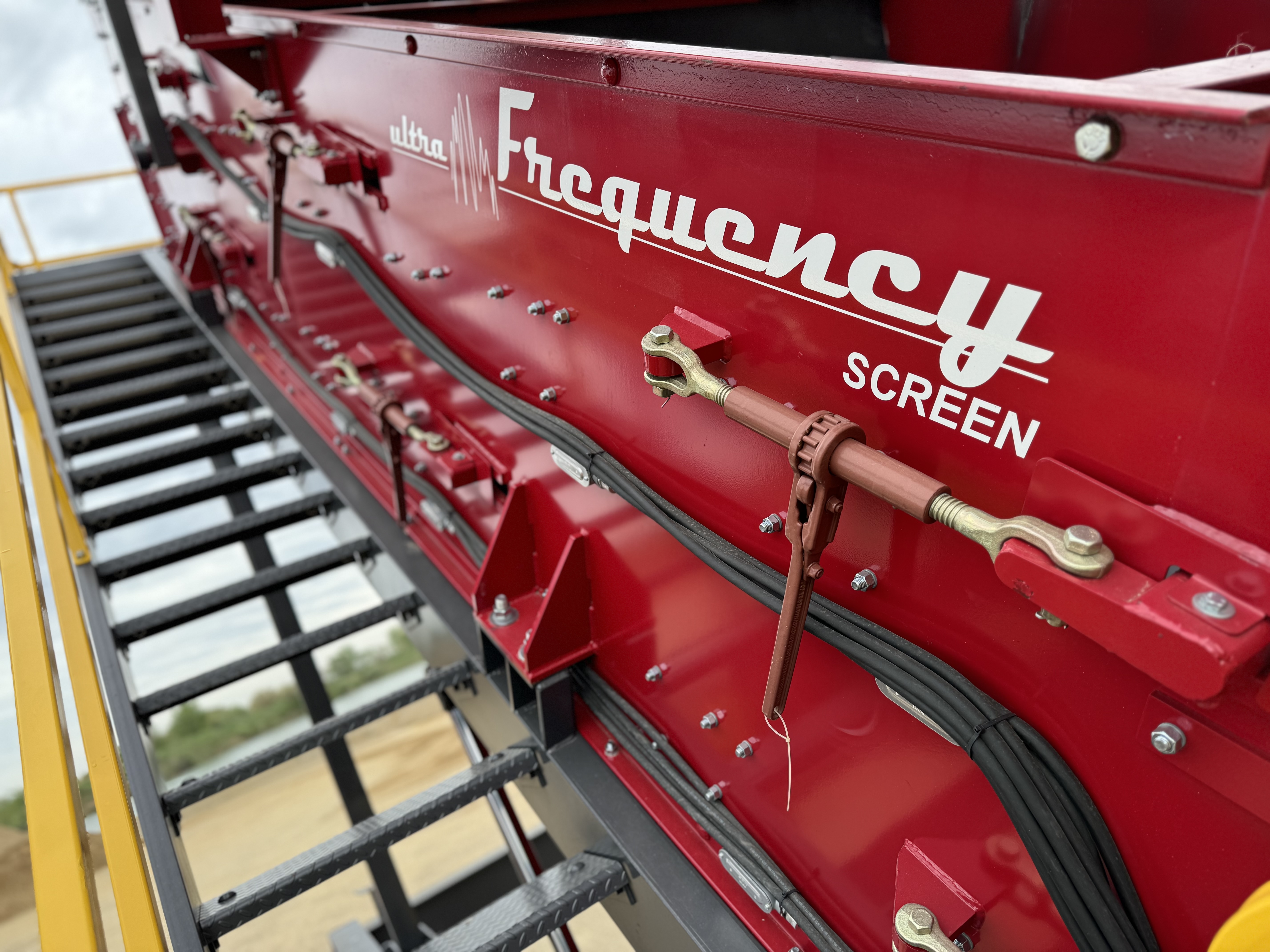
Ratchet Tensioning:
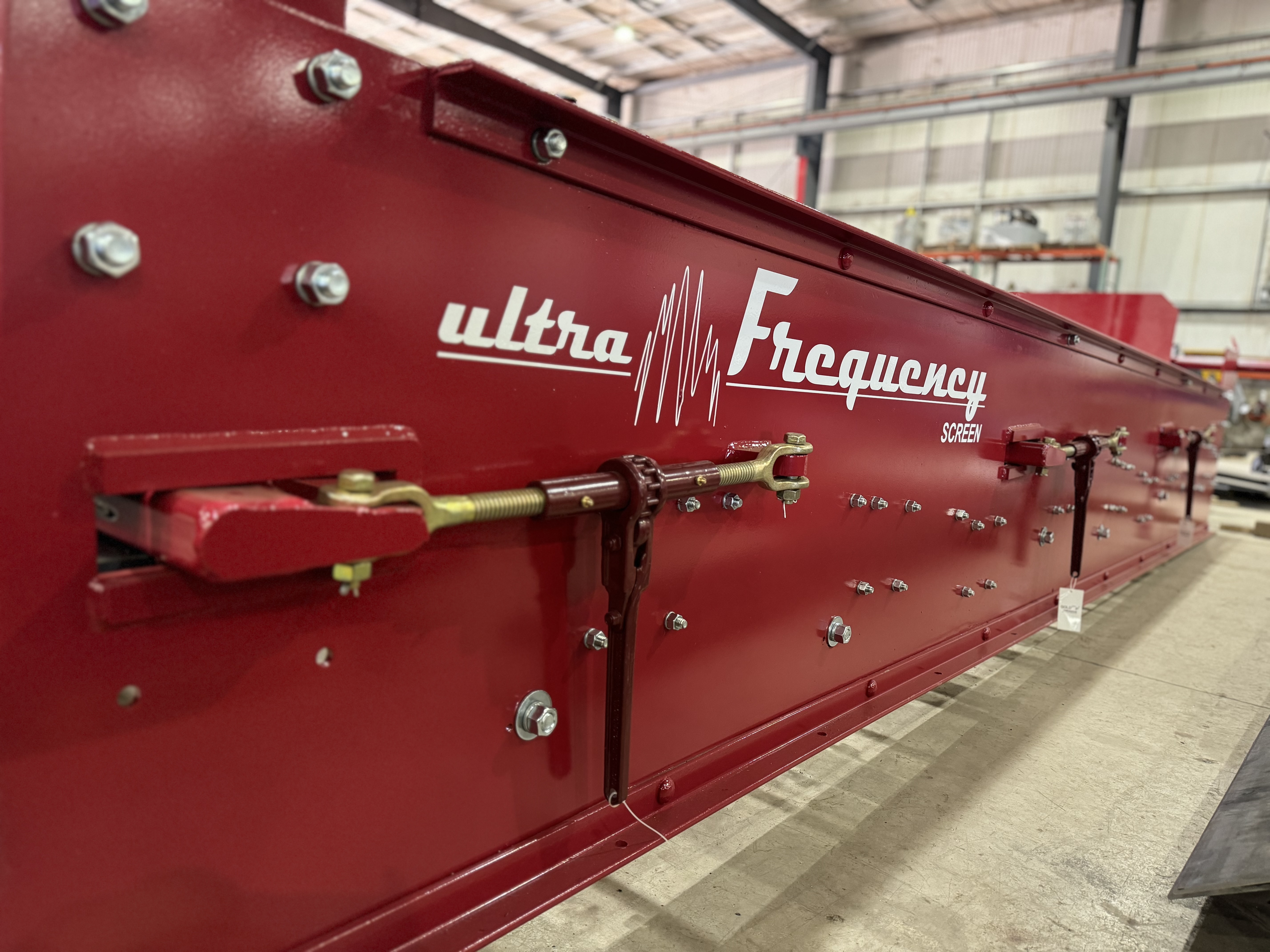
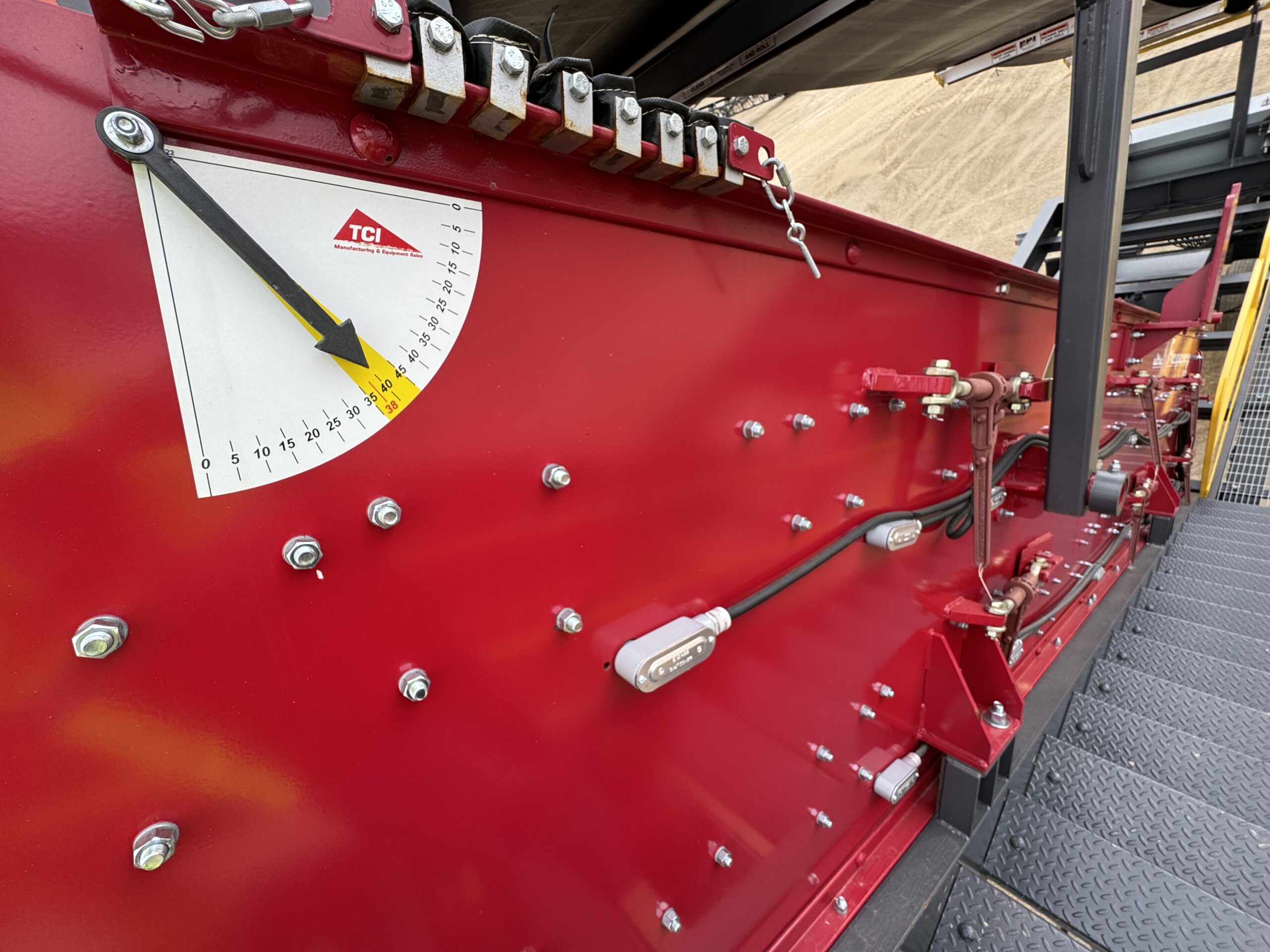
Panels tension with a ratchet mechanism that needs no tools, so crews change screen media quickly and get the plant back into production sooner.
Pre- and Post-Screening Use:
TCI screens pull fines out ahead of other equipment or clean finished products after it, depending on where the circuit needs help.
Portable or Stationary Builds:
The same screening technology comes on portable chassis for moving between pits or on stationary frames for fixed plants.
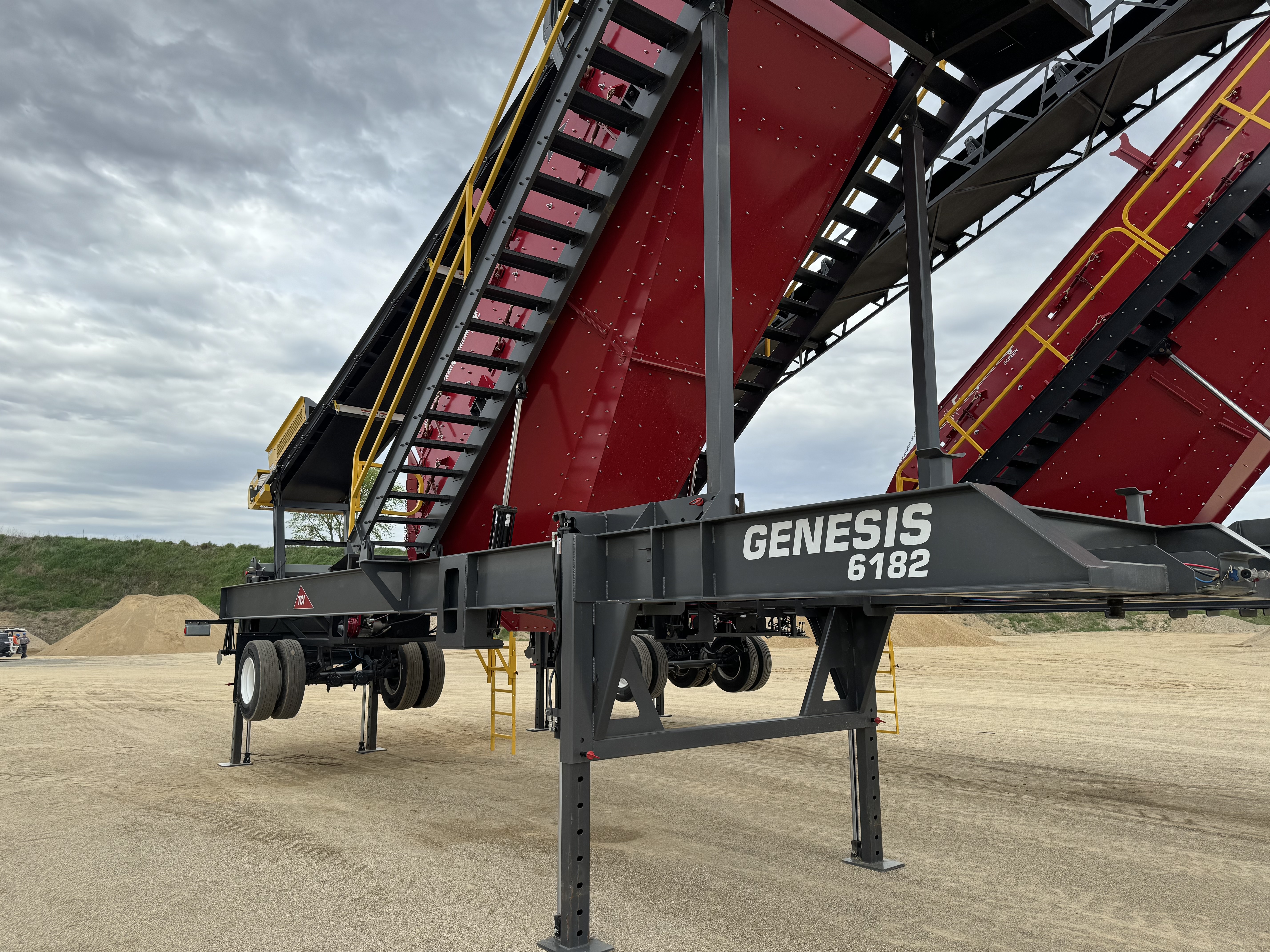
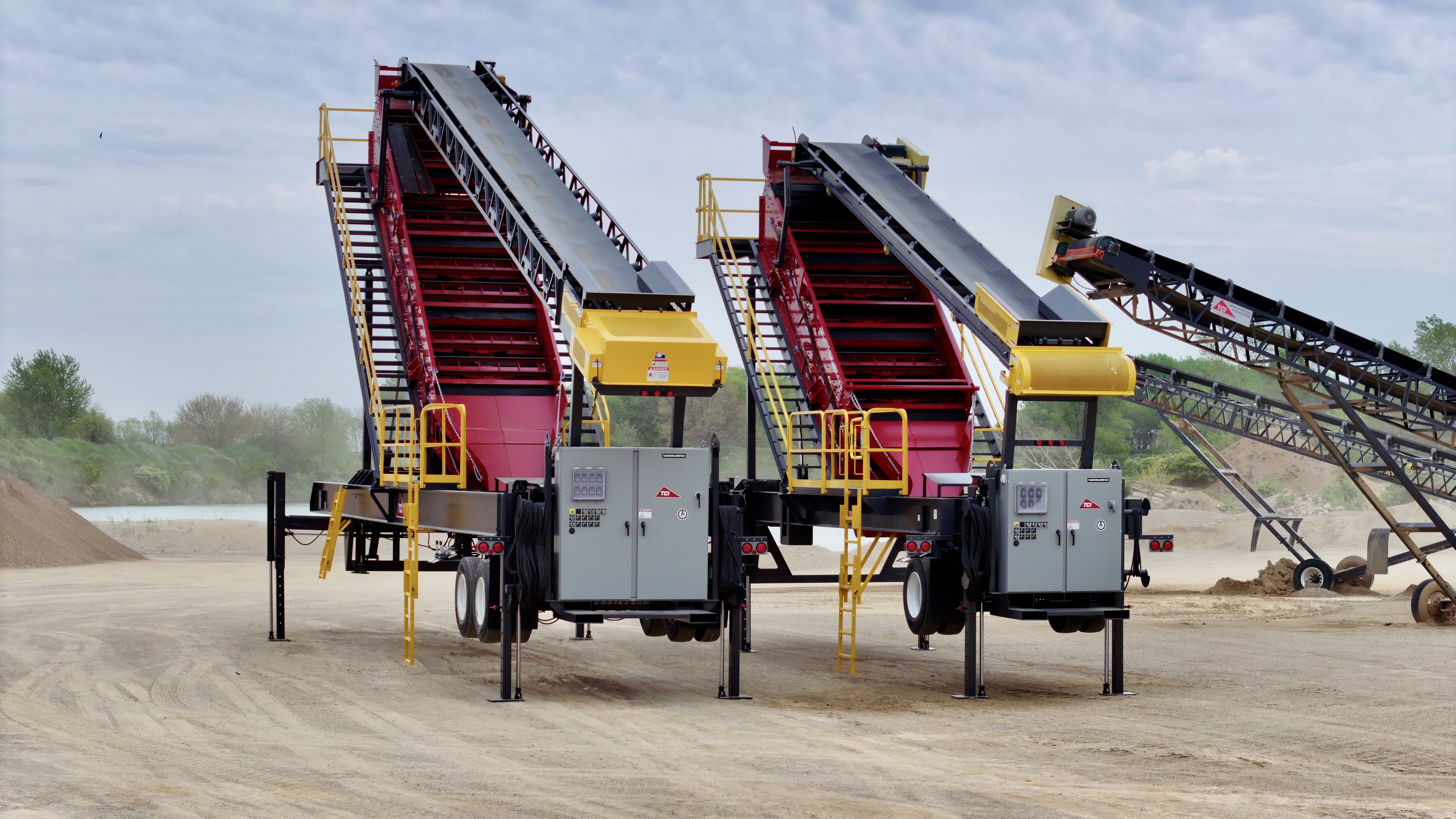
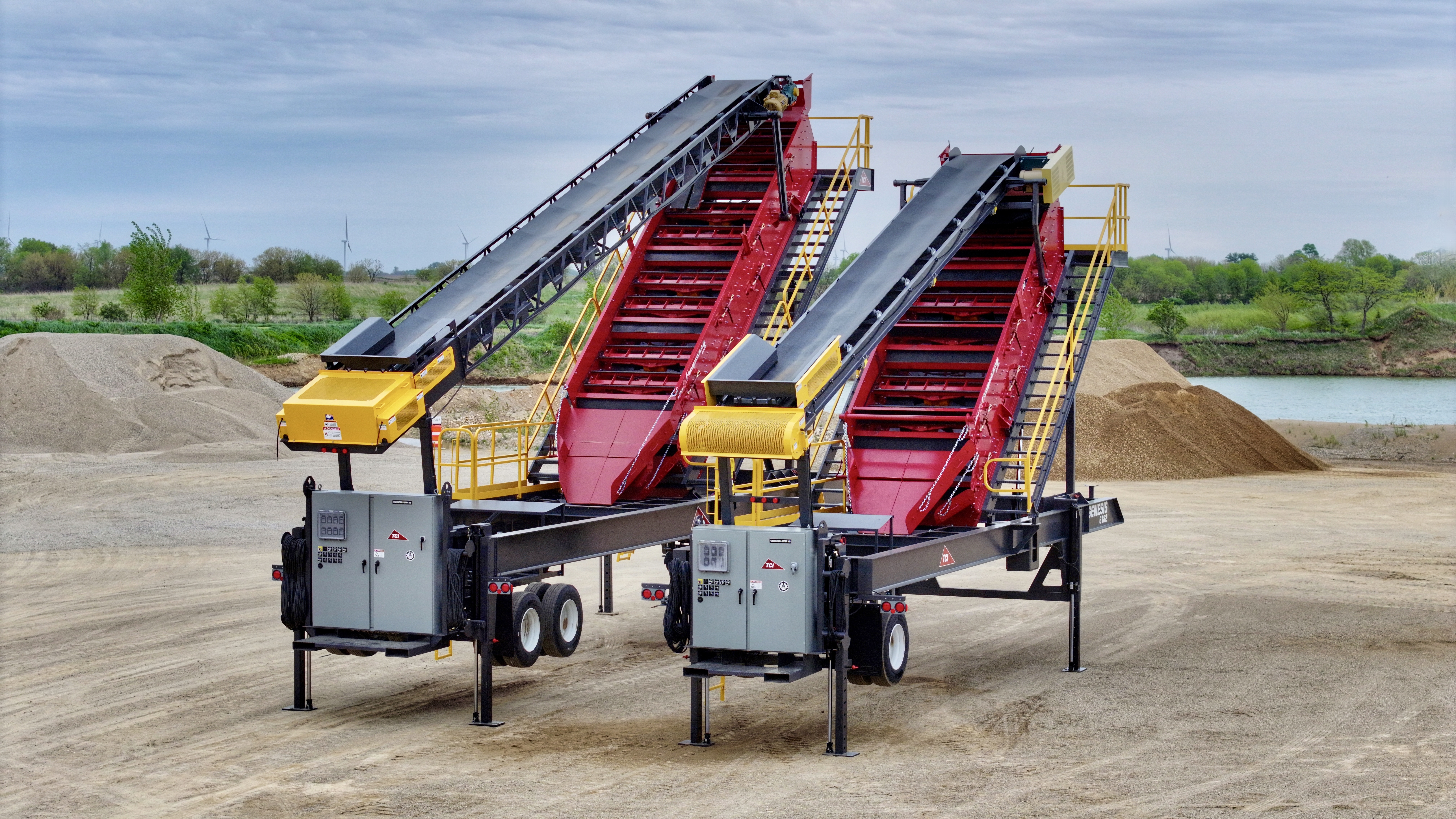
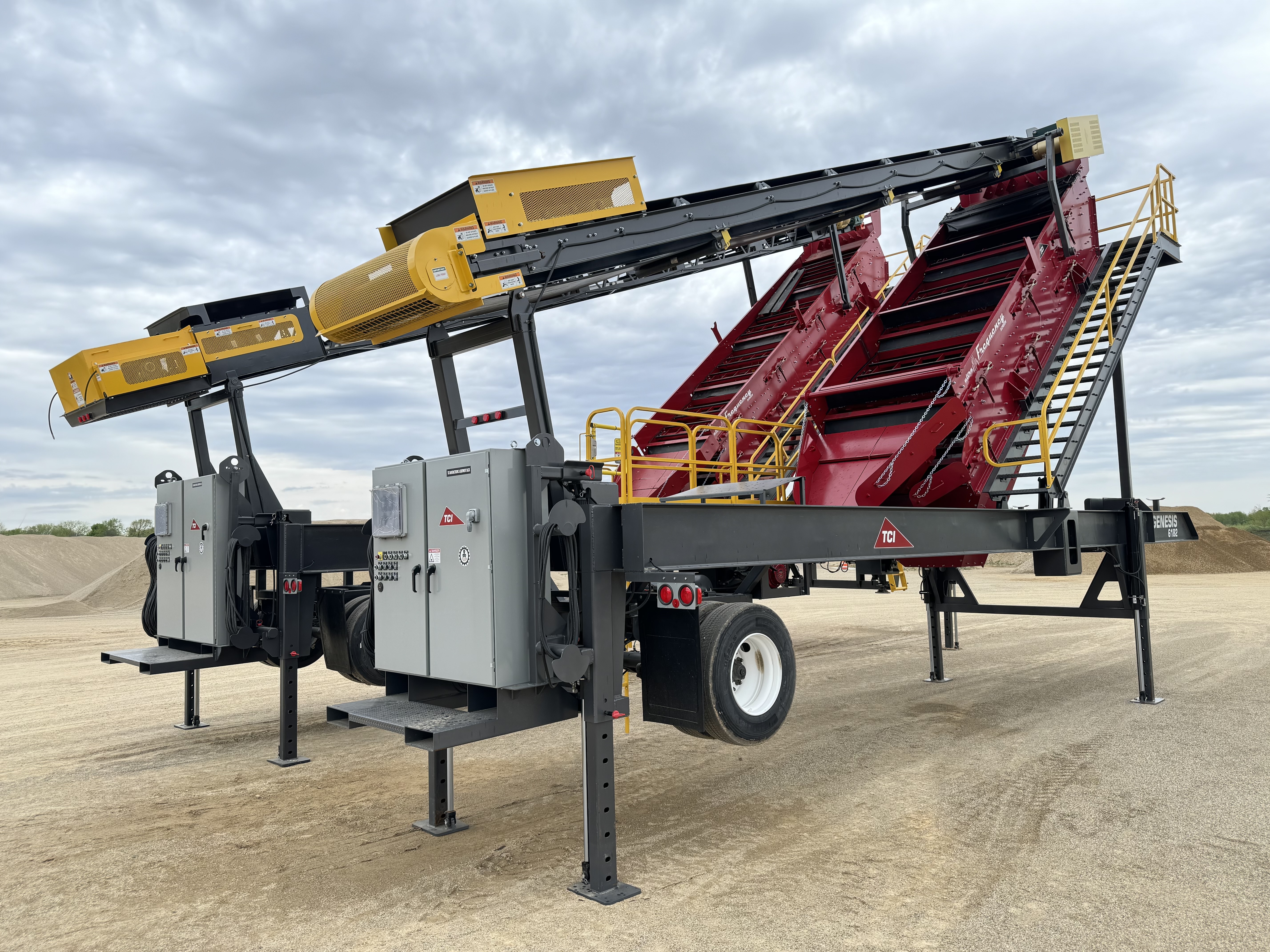
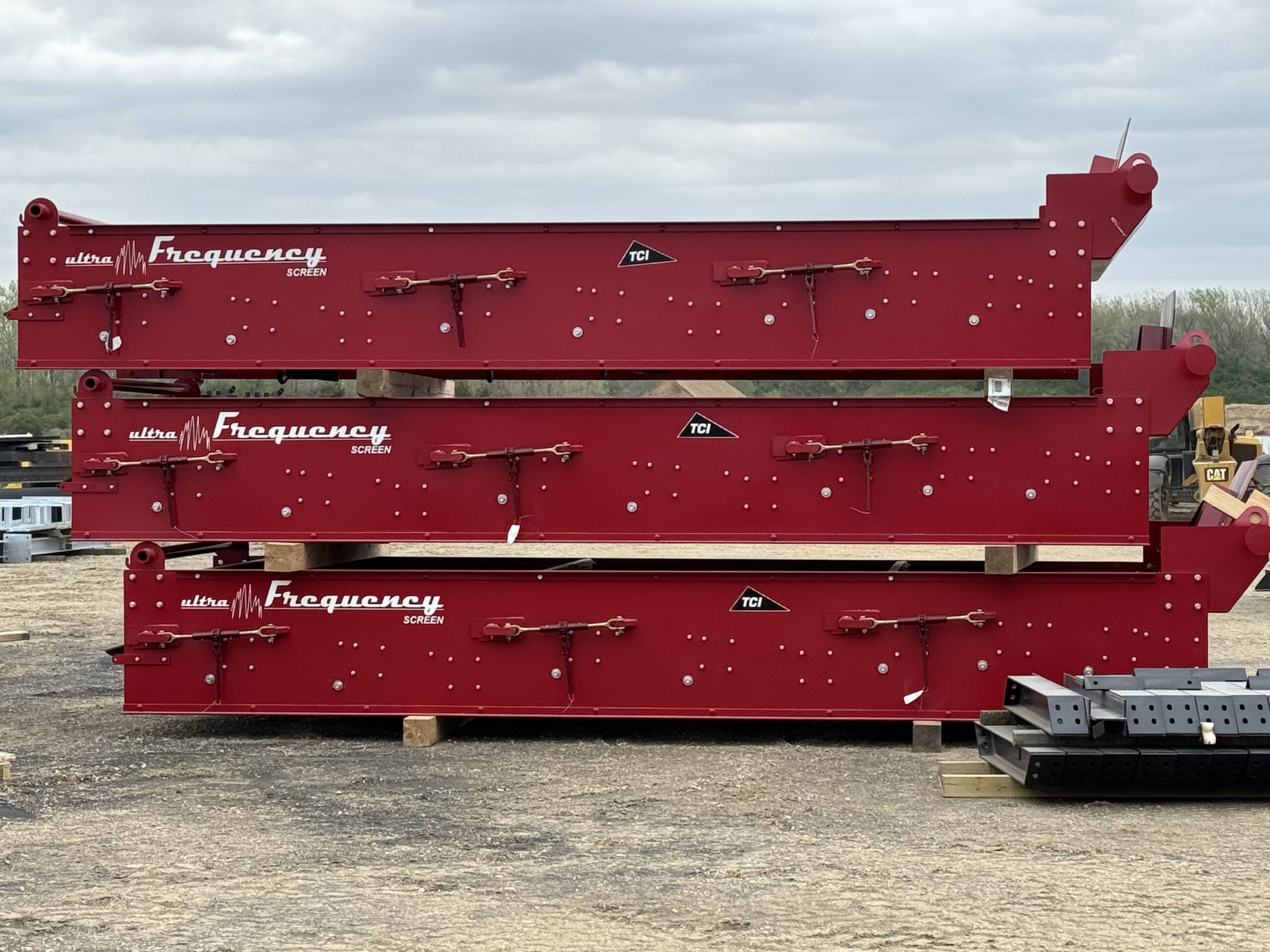
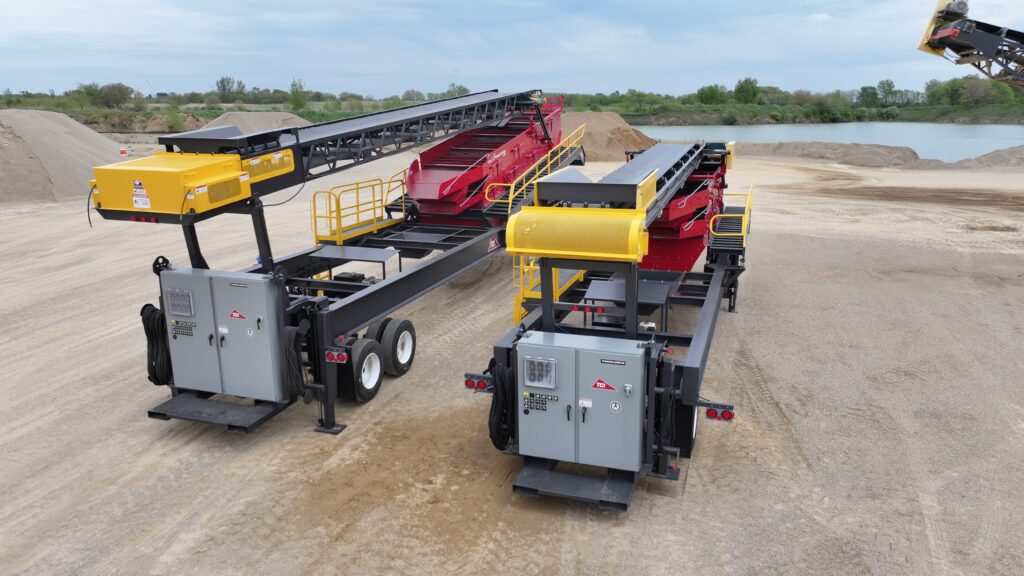
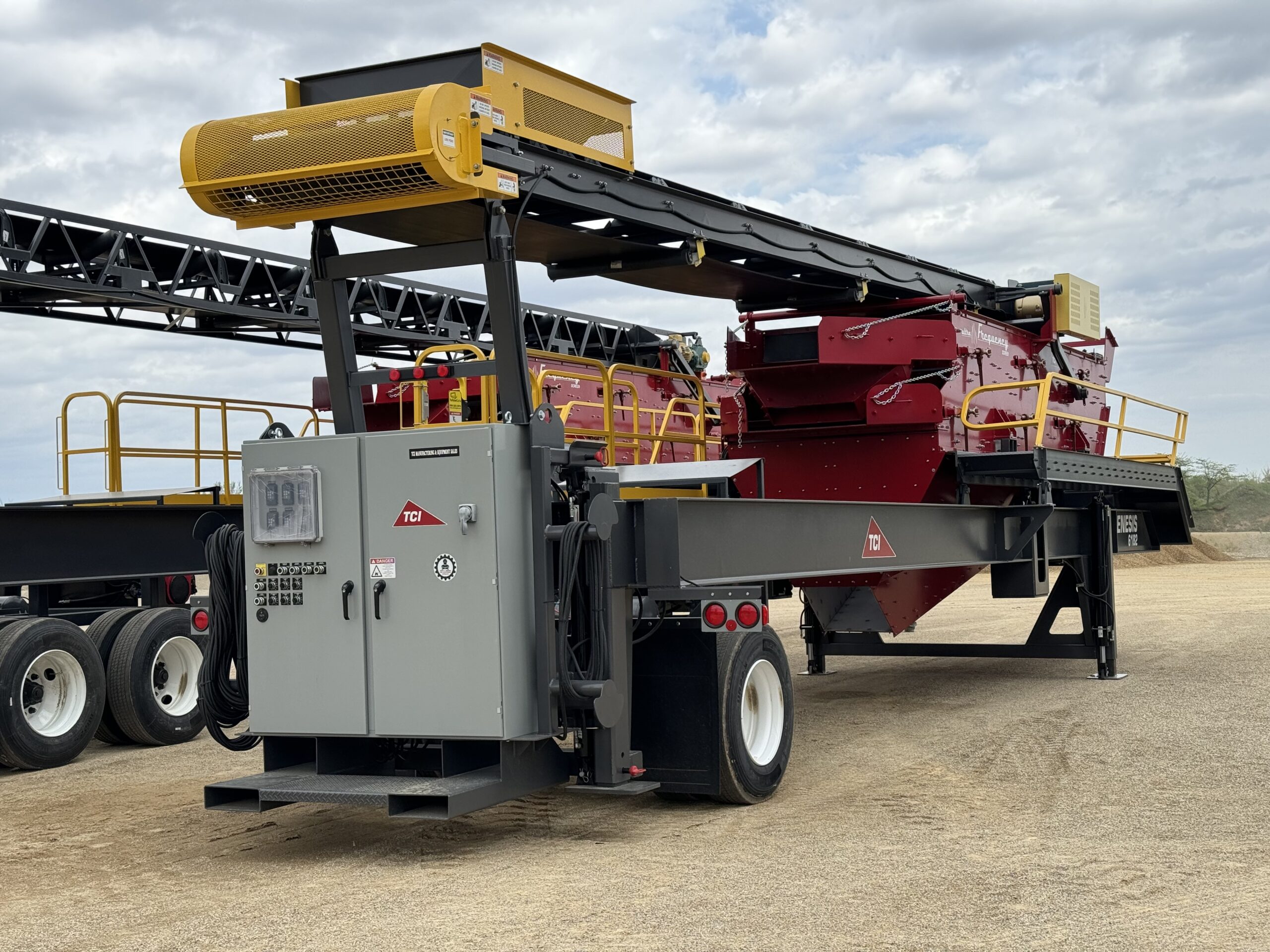
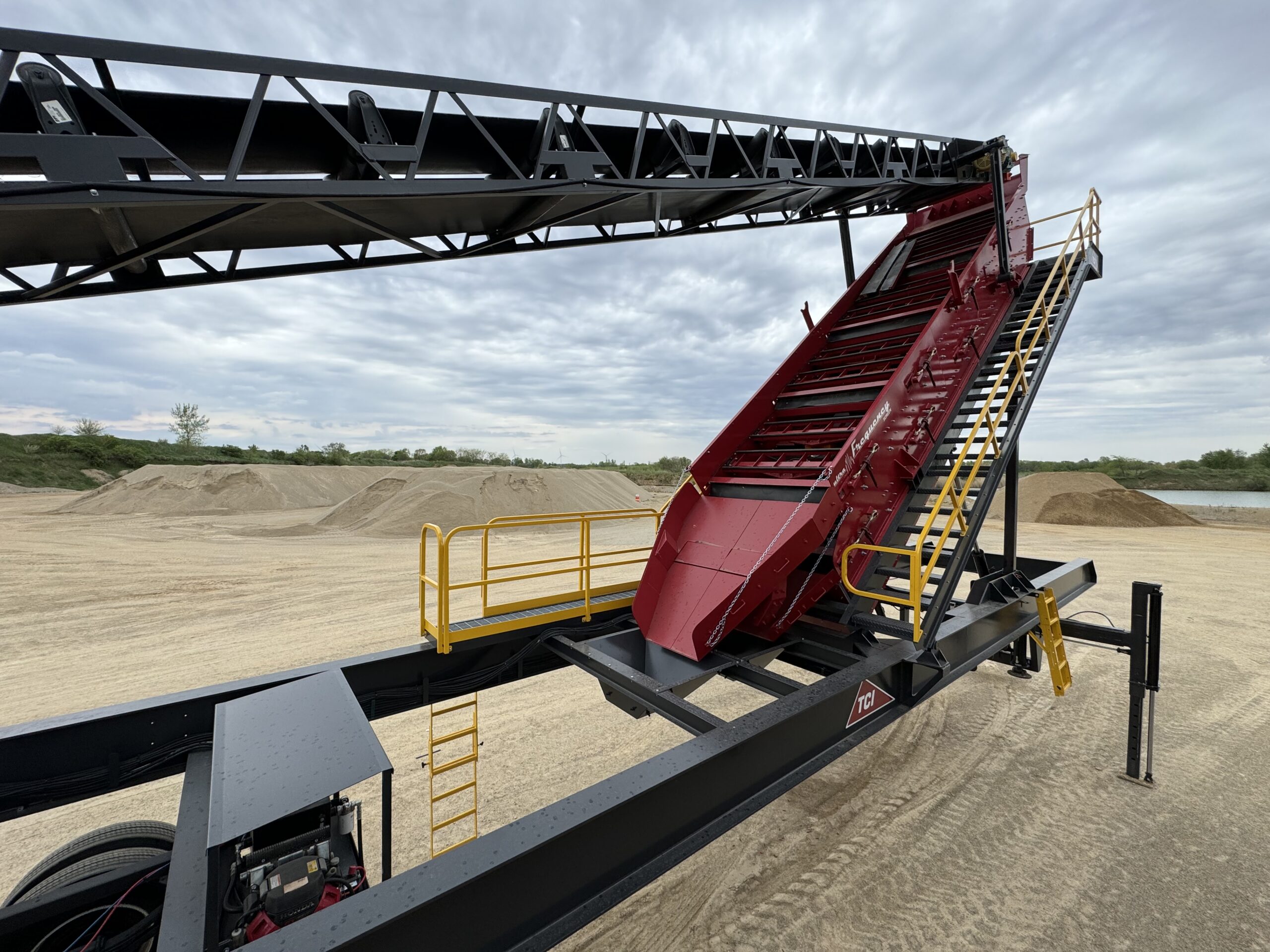
Featured High-Frequency Vibration Screens
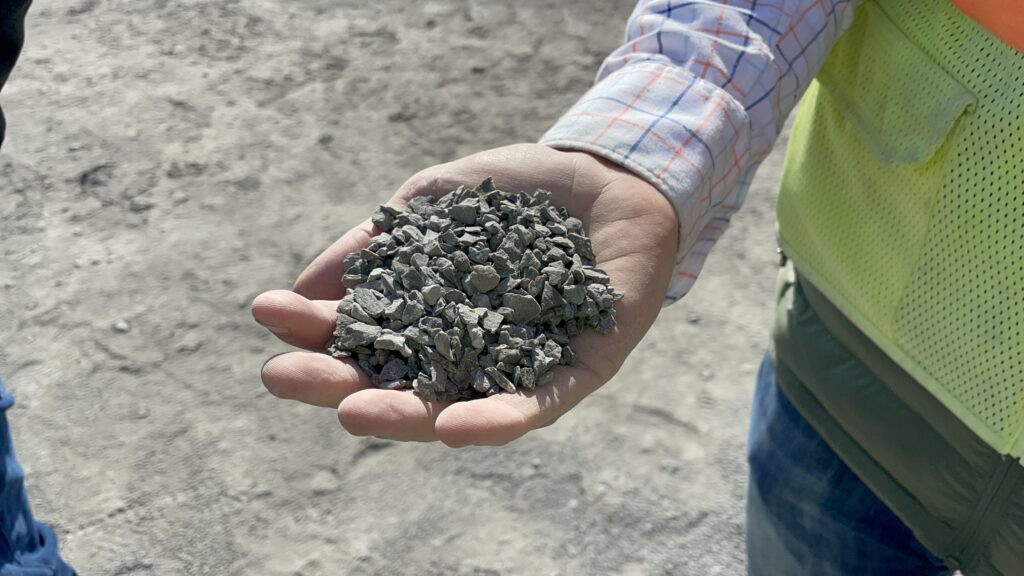
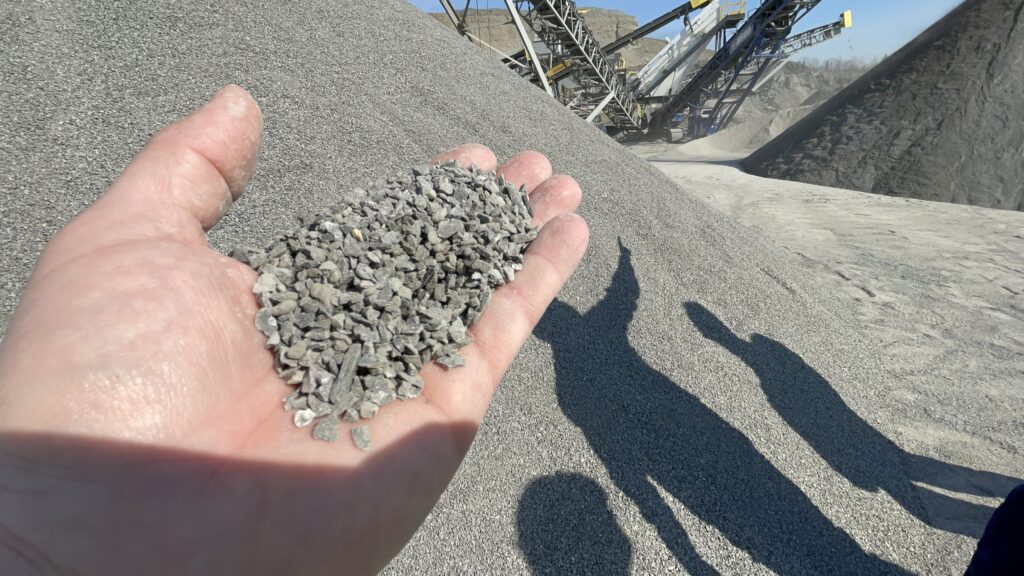
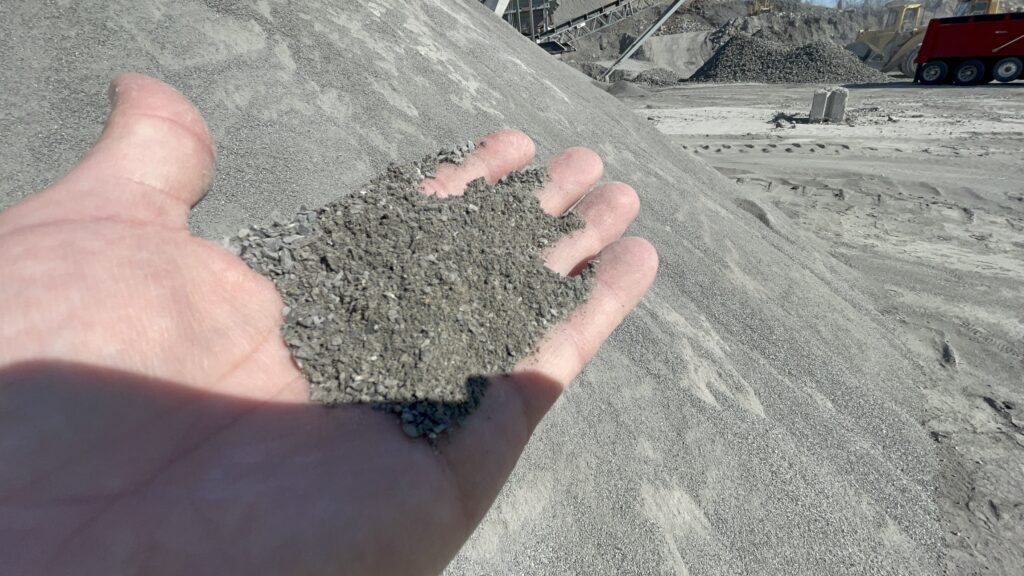
Application Examples
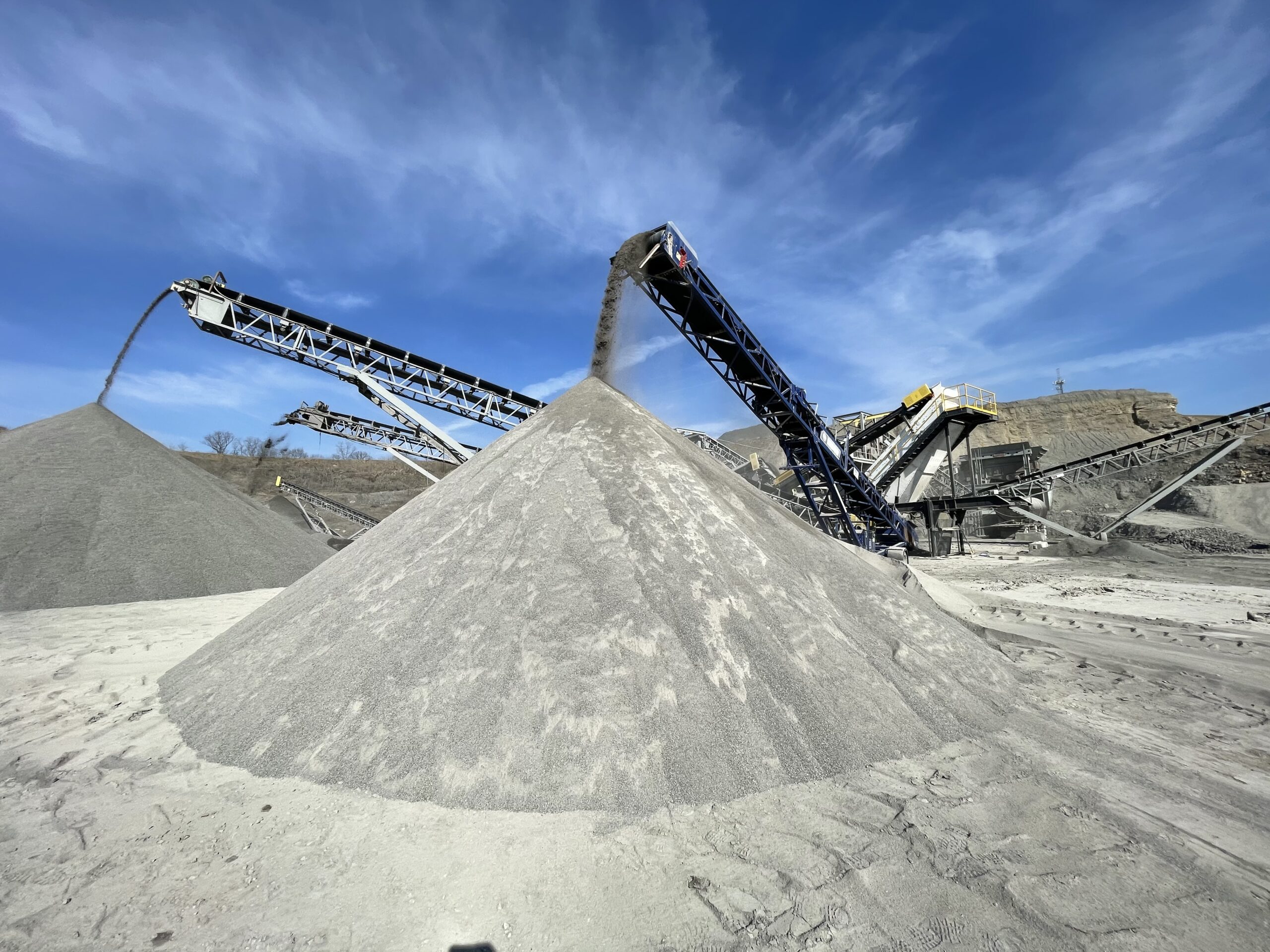
TCI high-frequency screening equipment produces many of the aggregate products Wisconsin producers sell most often.
Recycled asphalt pavement (FRAP/RAP) gets split for mix design.
Chip sizing yields a clean asphalt chip.
Fines removal pulls minus material out.
Ag-lime screening.
Manufactured sand production sizes.
Have questions about high-frequency screens?
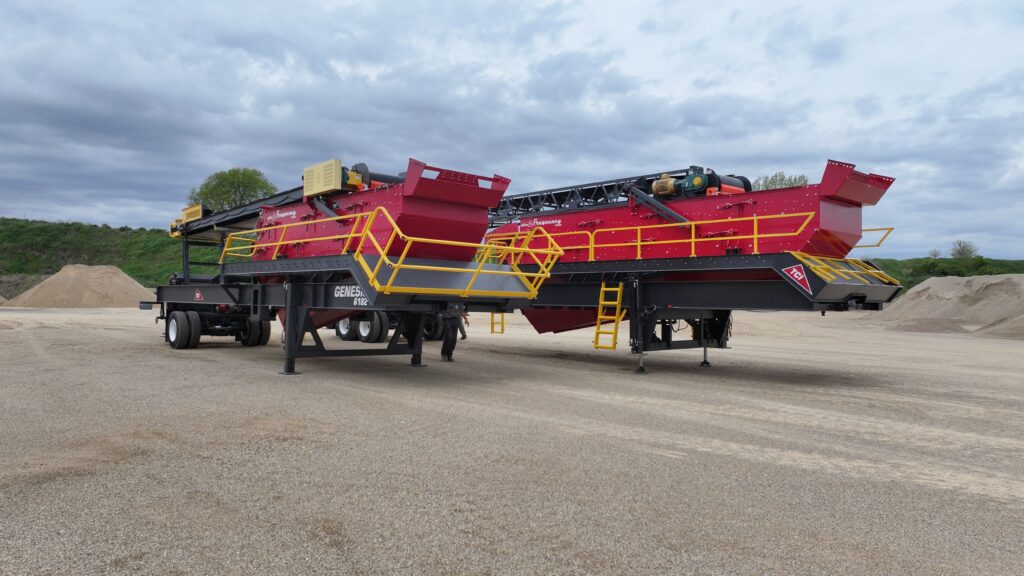
Portable High-Frequency
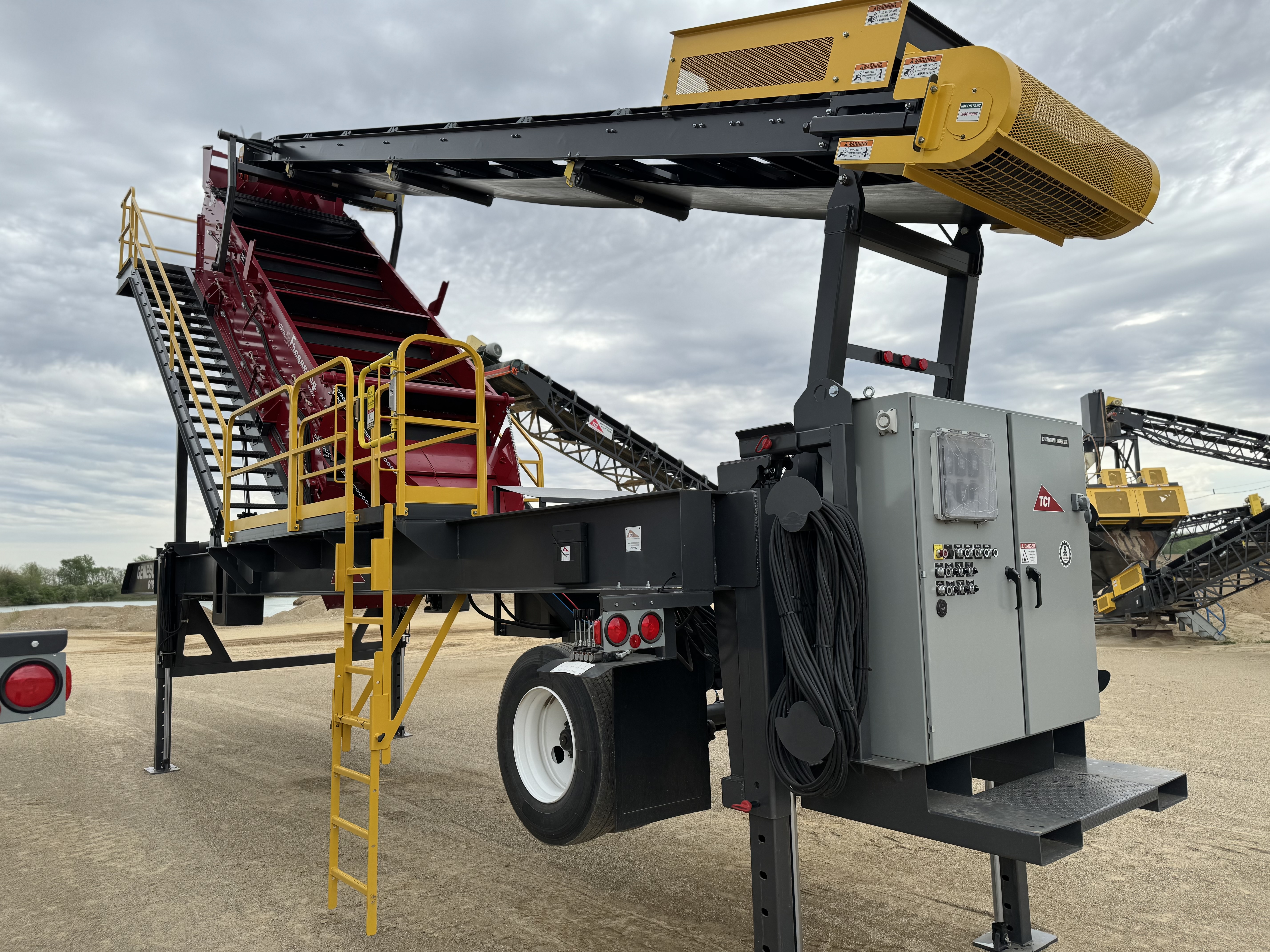
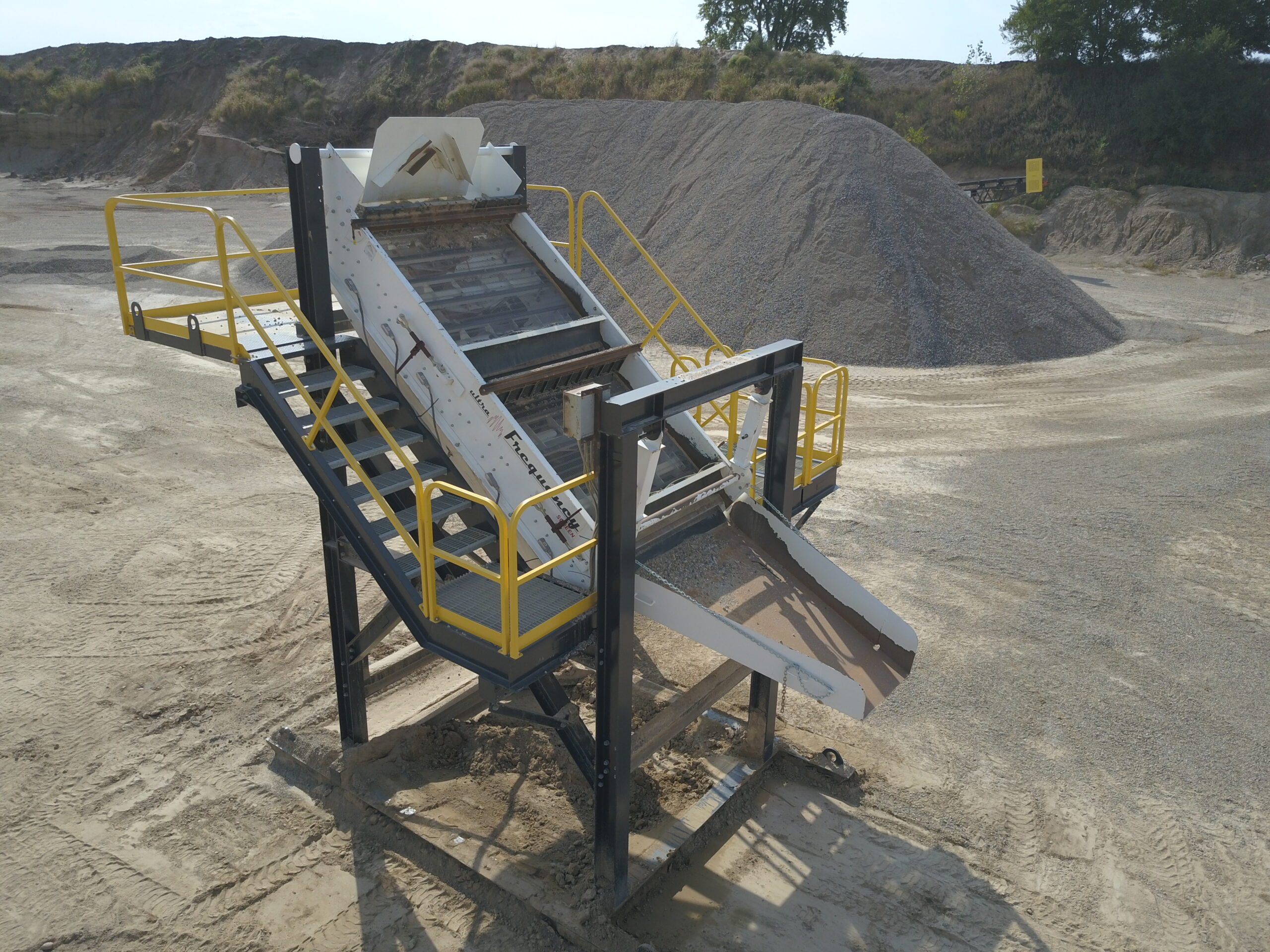
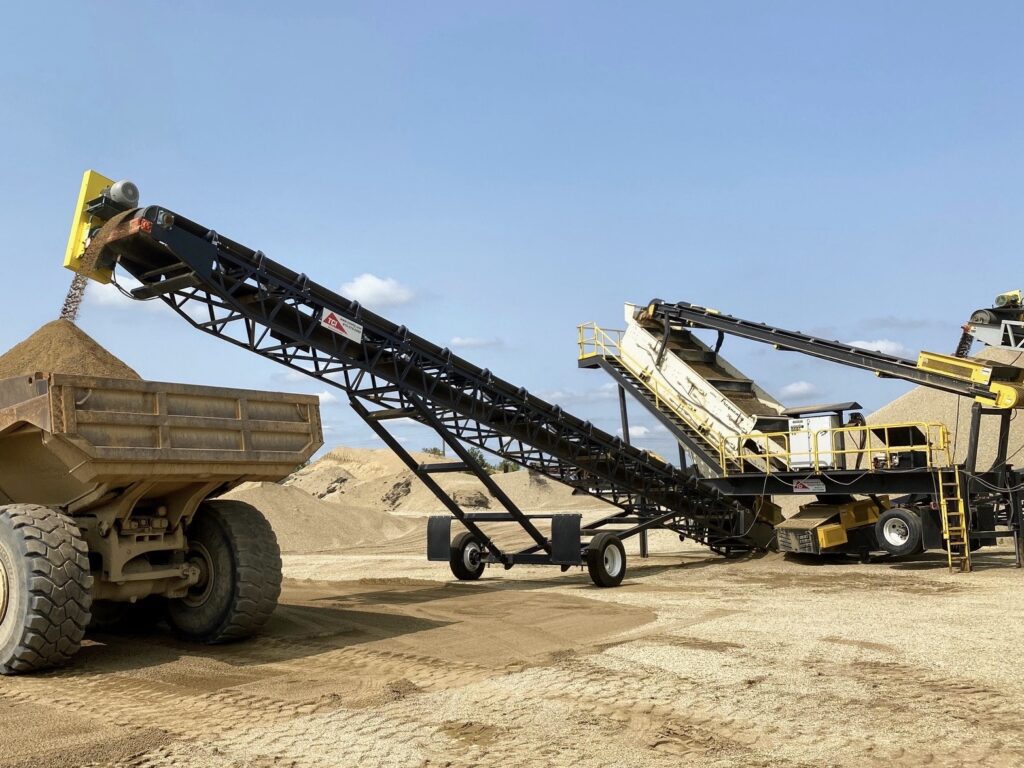
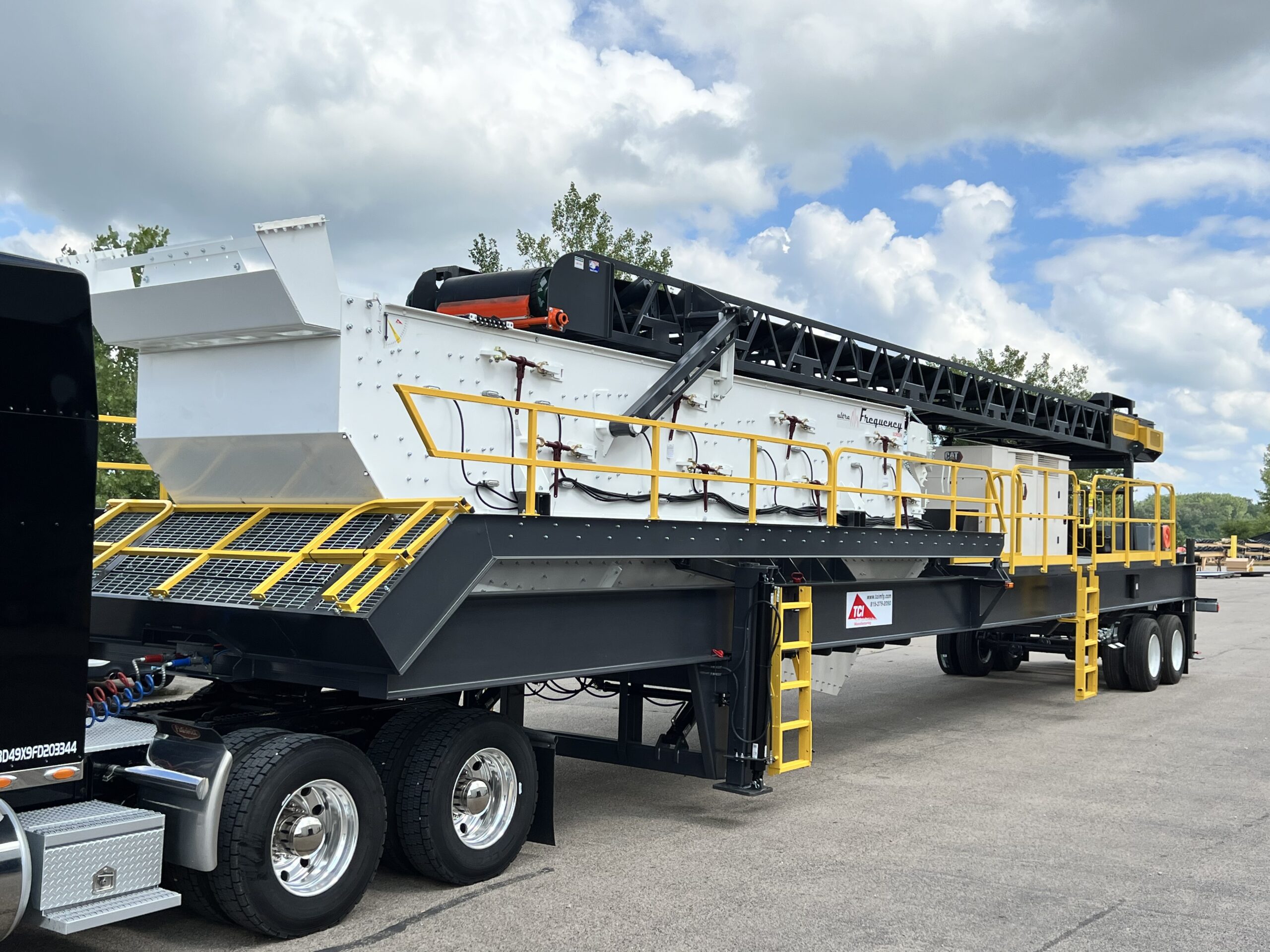
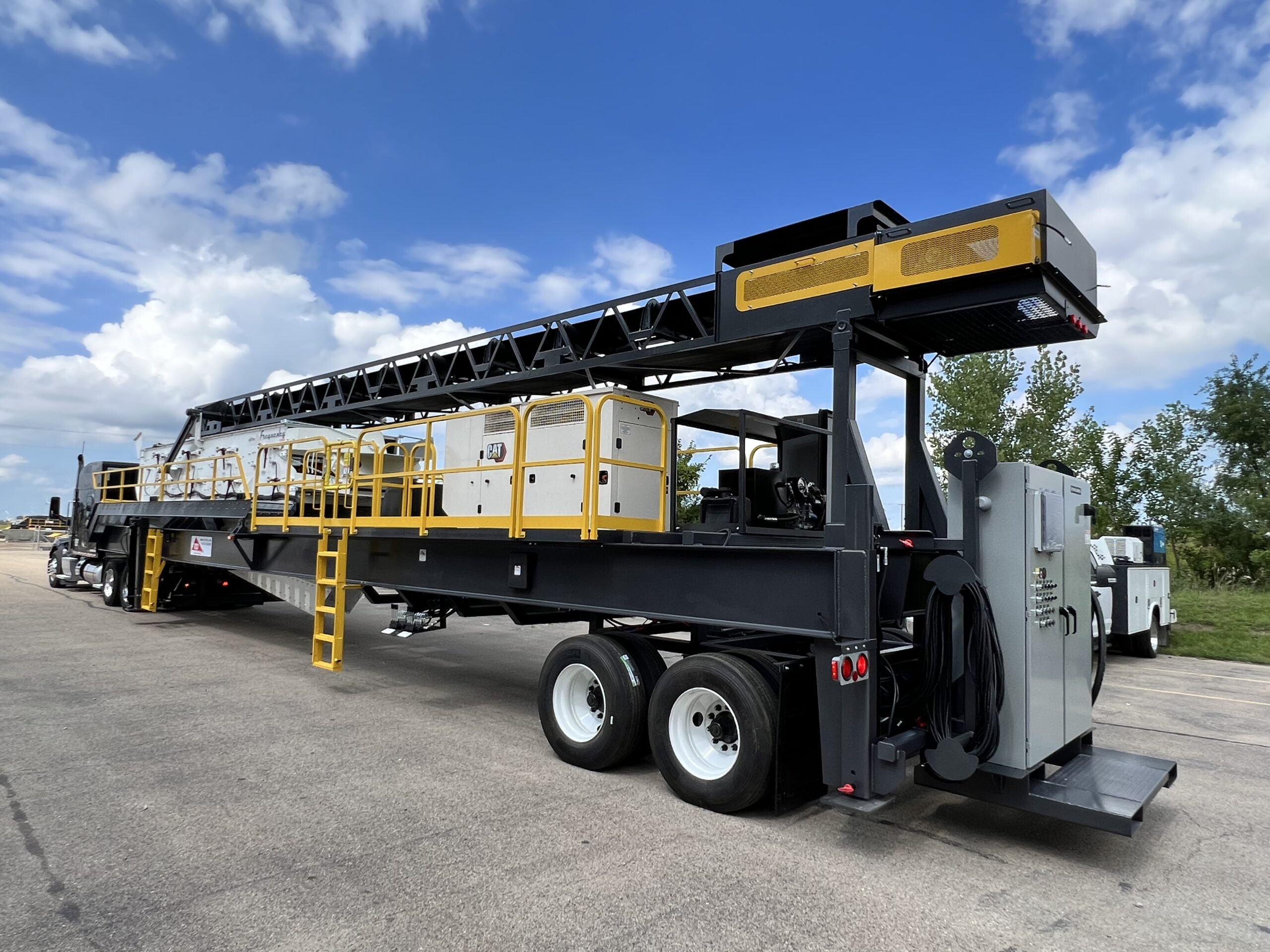
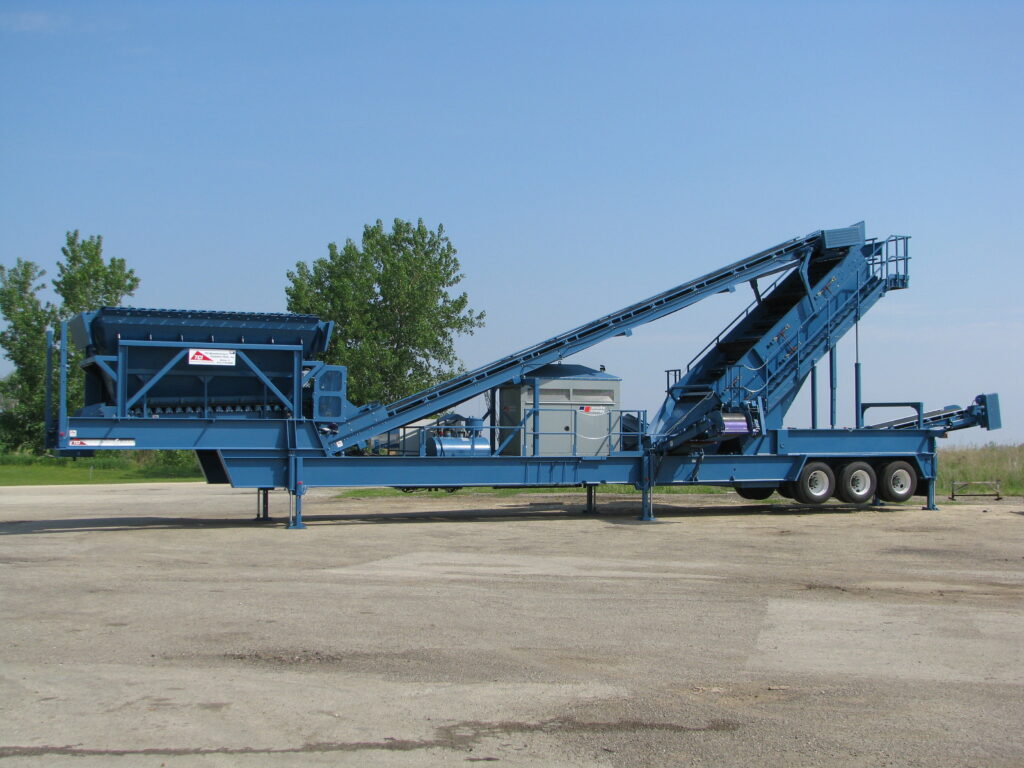
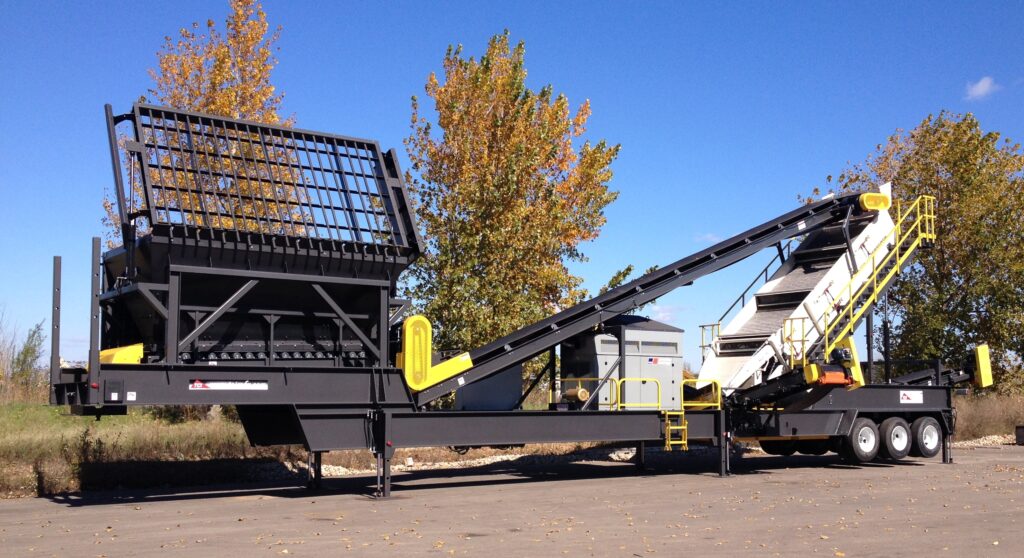
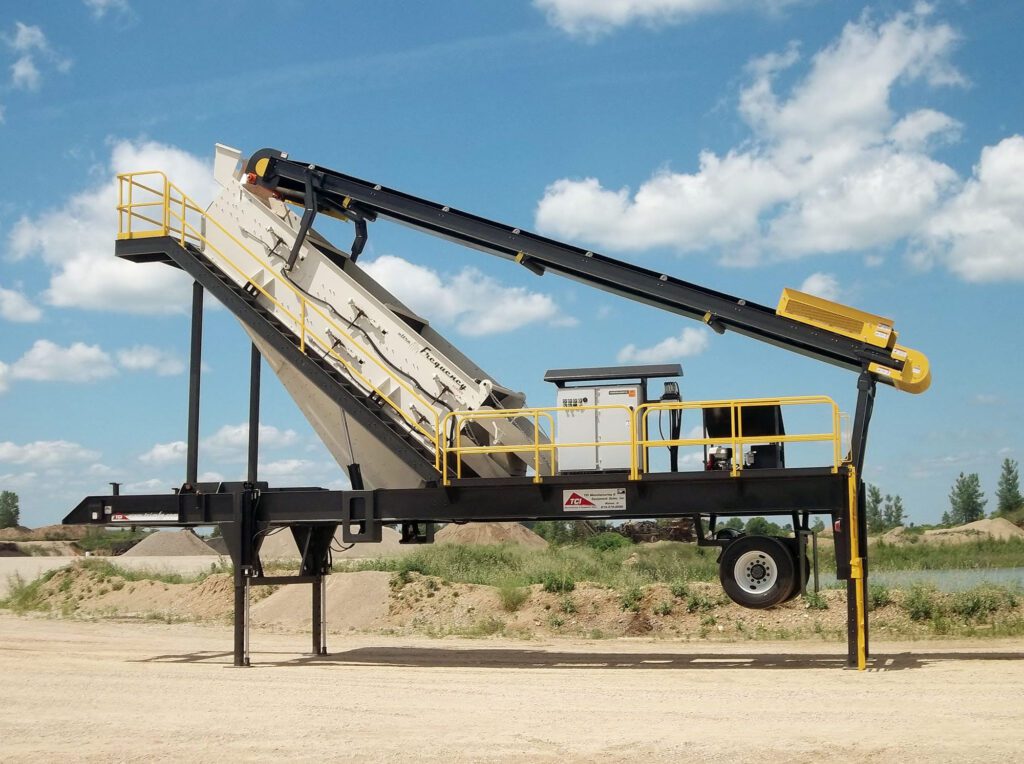
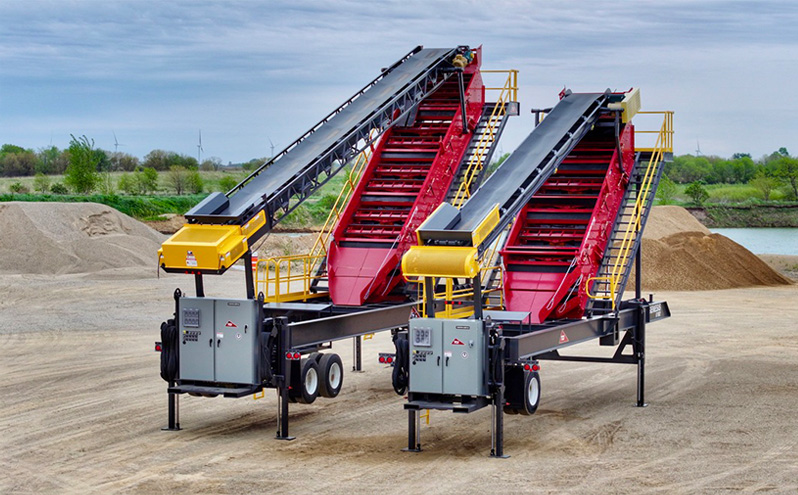
TCI’s portable high-frequency screens put fine screening on wheels for producers who move between pits, crushing spreads, and asphalt jobs through a Wisconsin construction season. The units come in a range of sizes and deck setups with electric or hydraulic drive, and they use a short, fast stroke rather than the long throw of a horizontal screen. That combination keeps fine particles in steady contact with the media, which is where accurate separation happens.
Operators control vibration speed through a VFD, which makes it practical to retune the screen when the feed changes from one site to the next. Crews swap panels with the ratchet tensioning system and no hand tools, and the screen can strip fines before other equipment or polish products after it. TCI also offers self-contained portable plants, including the double deck PSB, which arrives as a complete screening package for faster setup. That flexibility suits contractors who bid work across several counties in a season.
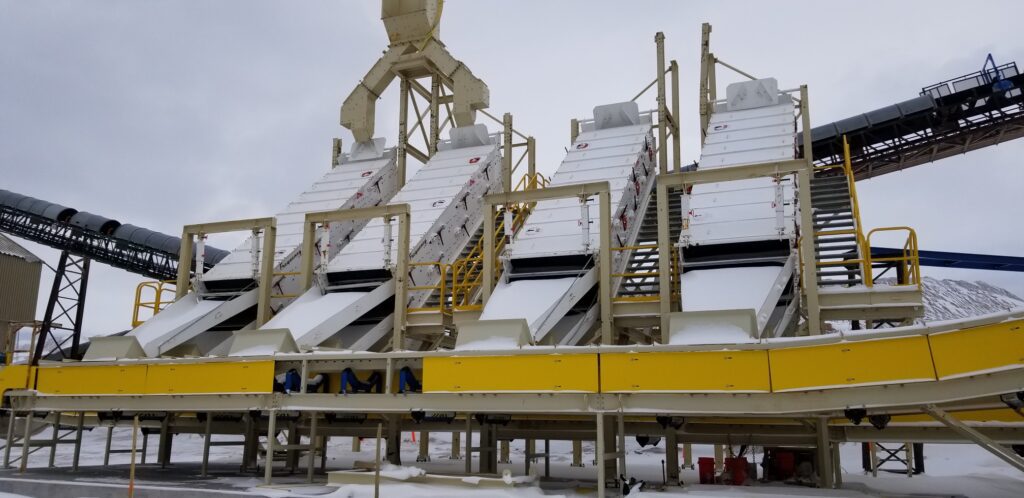
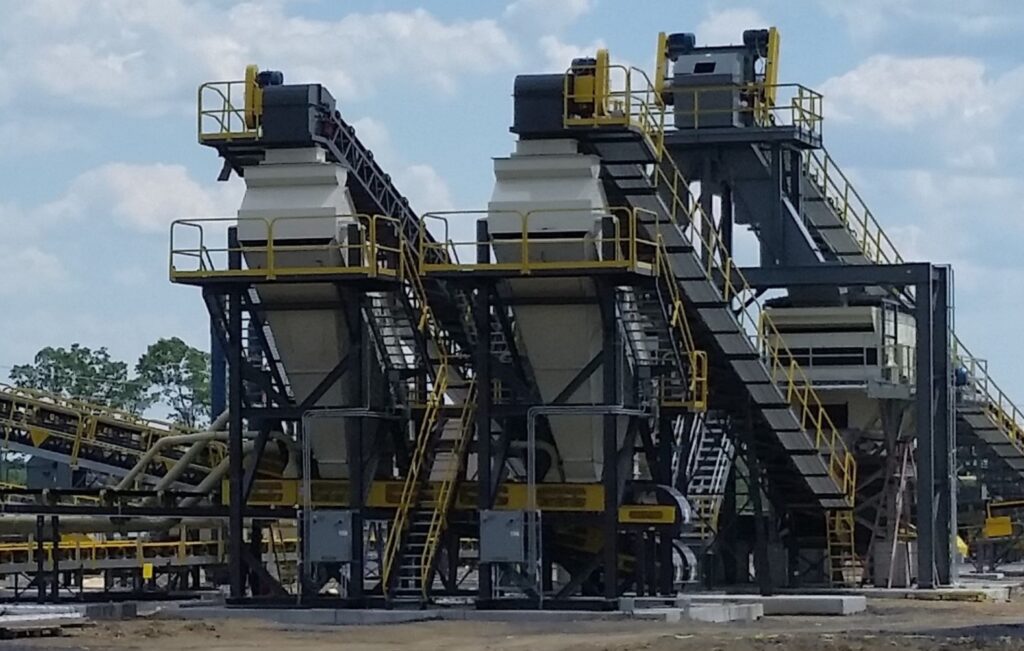
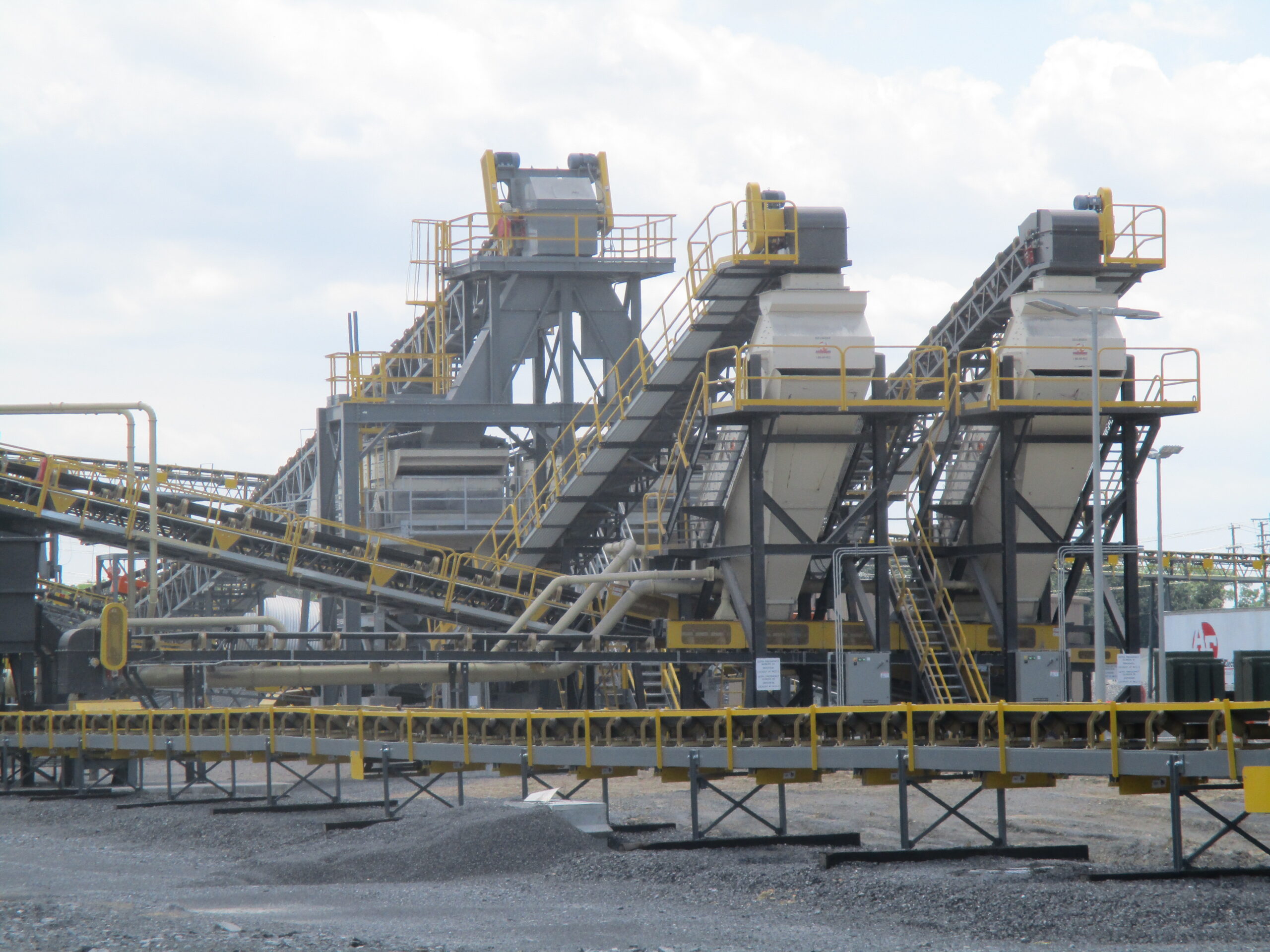
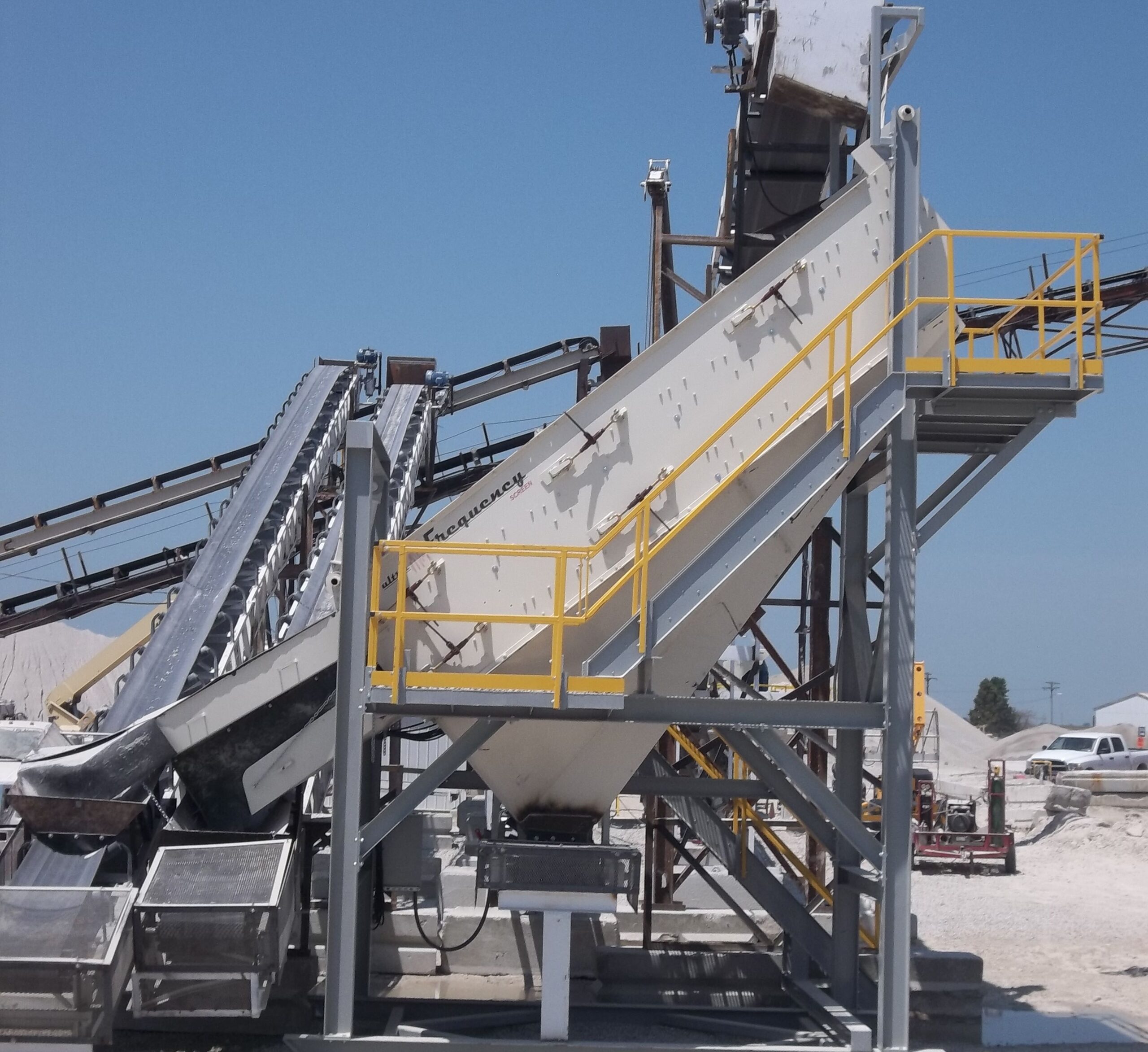
Stationary High-Frequency Screens
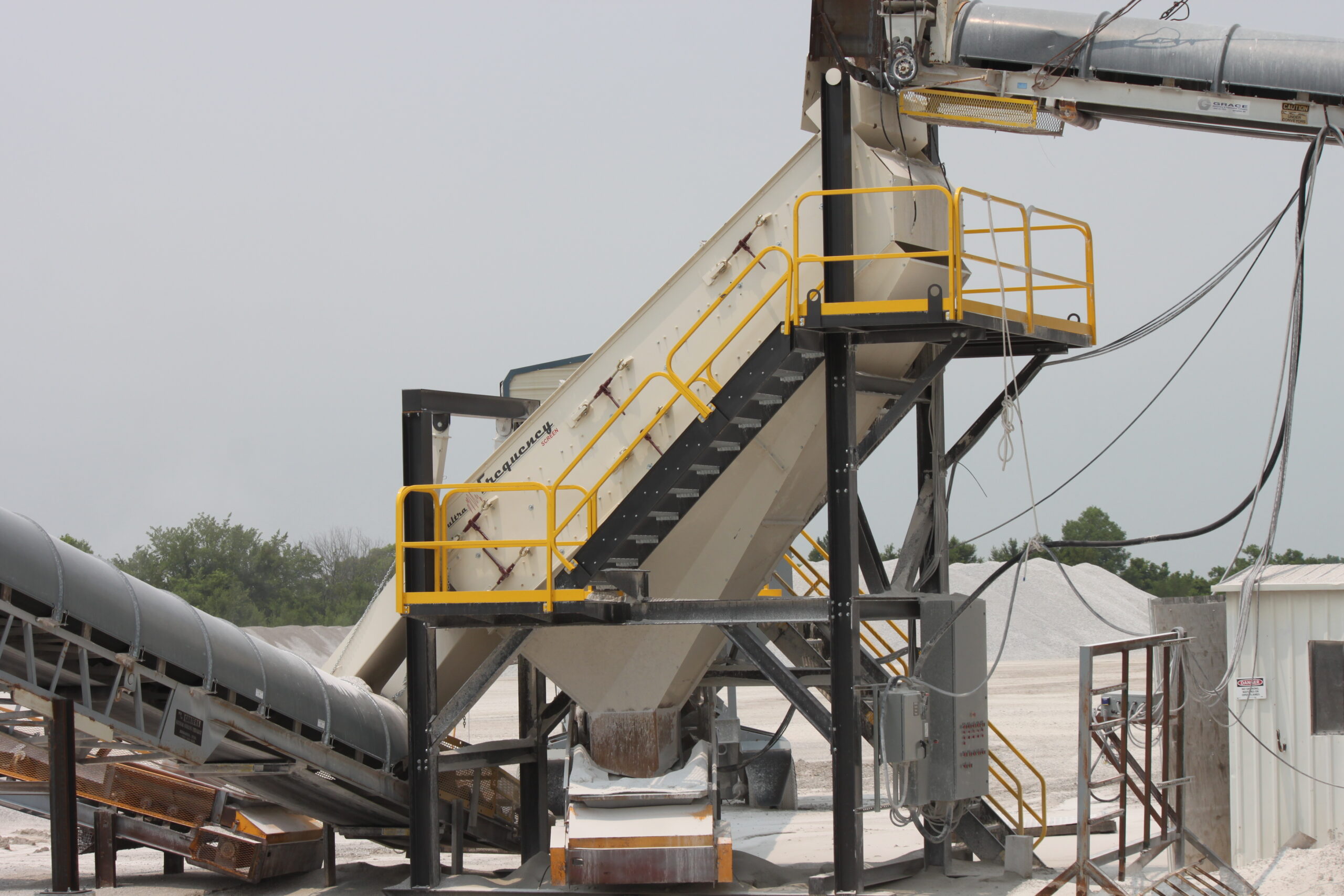
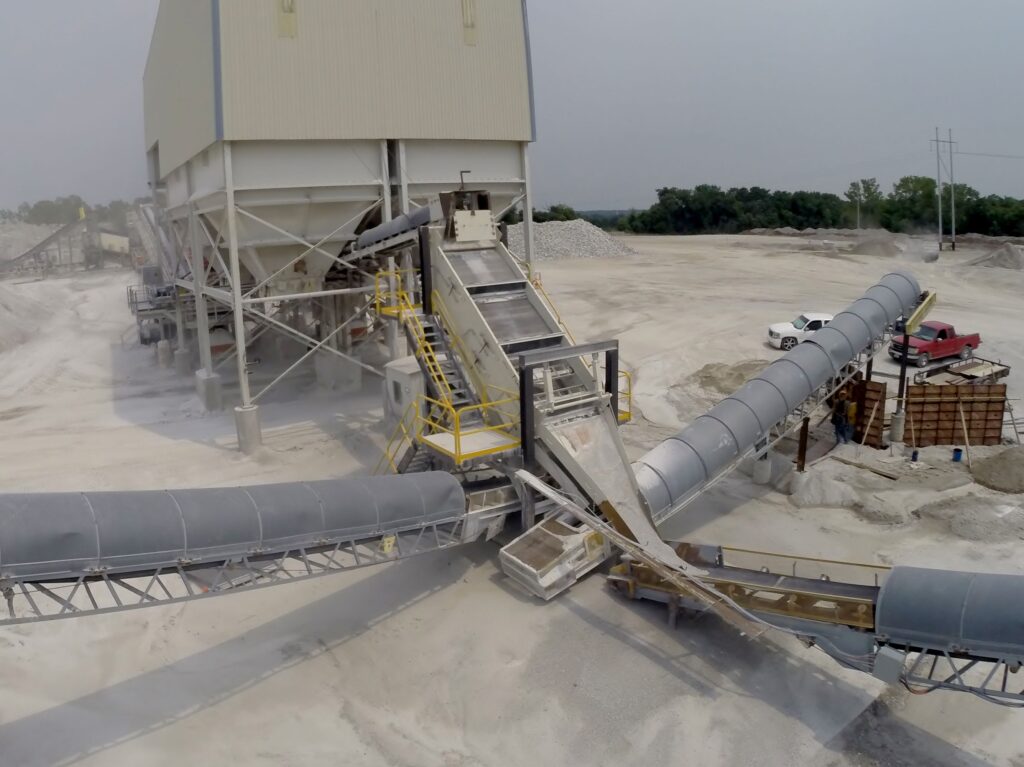
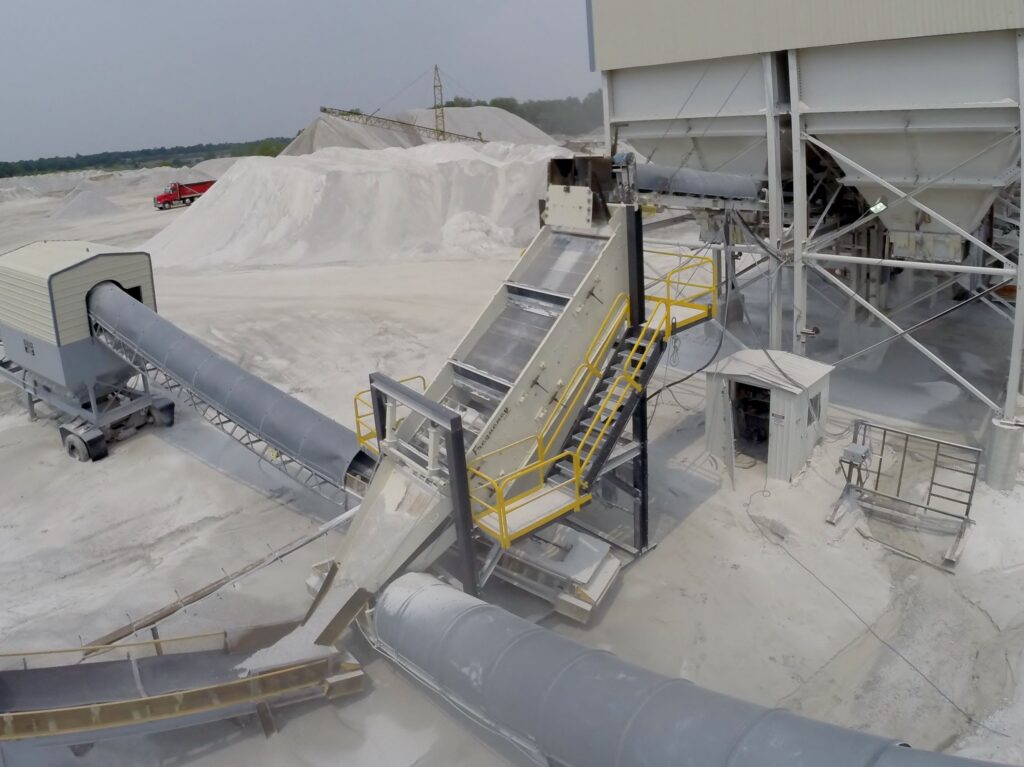
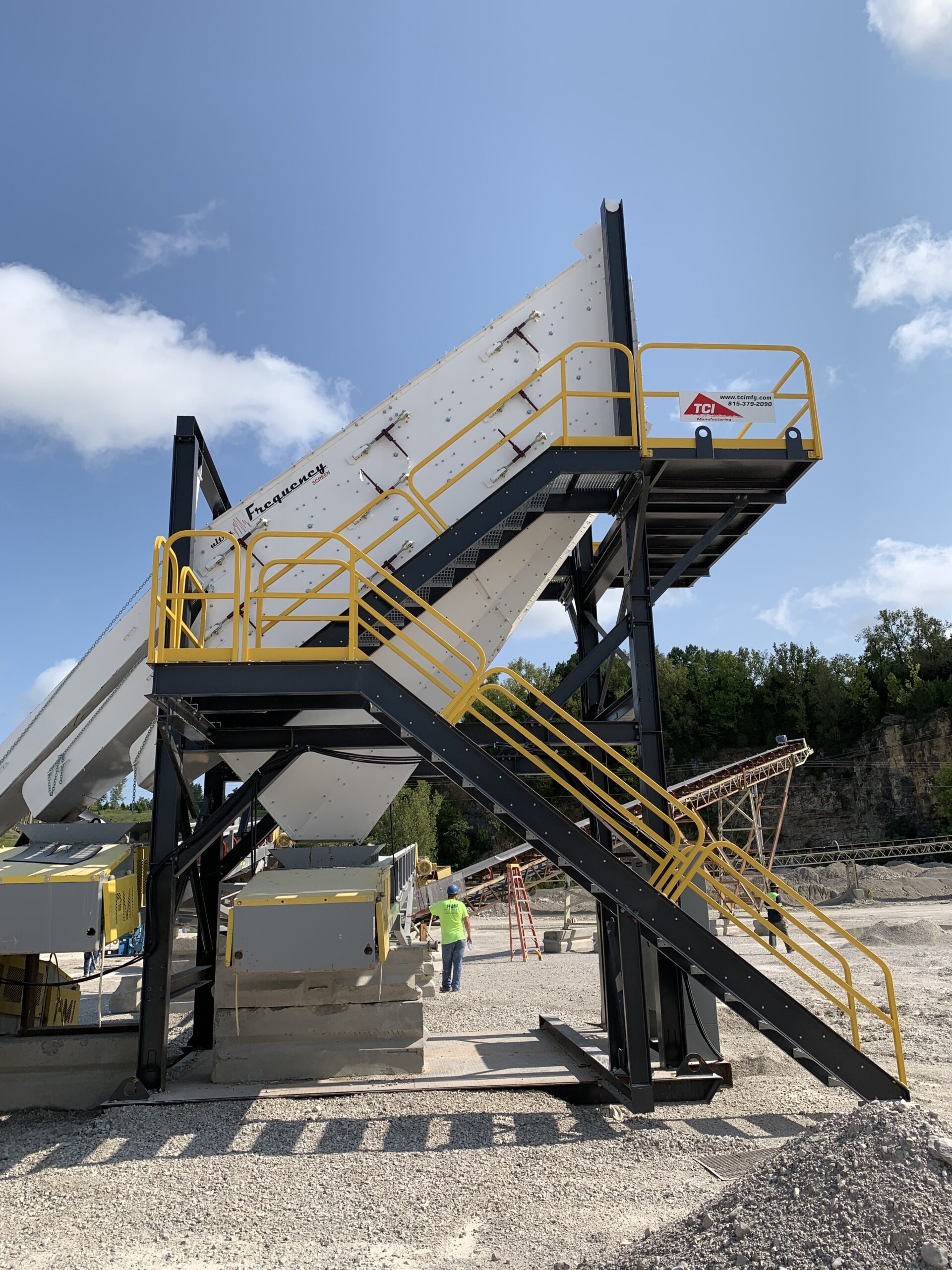
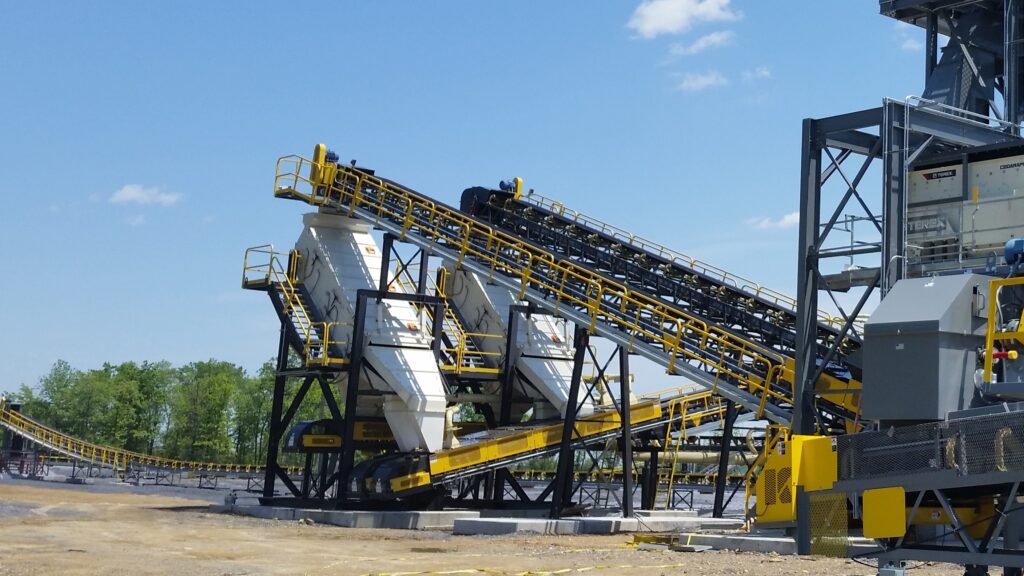
For fixed plants, TCI stationary high-frequency screens bring the same 3600 RPM screening action to a permanent installation. Producers pick one or two decks and electric or hydraulic vibration based on the plant’s power and product plan. Stationary screens suit operations that run one set of products for long stretches, such as a quarry producing ag-lime and asphalt chip on a steady schedule, where consistent output from a fixed location matters more than mobility.
Standard stationary sizes are 6×6, 6×12, 6×18, and 6×24. Smaller frames fit tight spots inside existing structures, while the 6×24 provides the most screening area for higher tonnage. Typical stationary work covers the same products as the portable units, from RAP fractions and asphalt chip to ag-lime, manufactured sand, and fines removal. When a project calls for it, TCI’s engineering team designs the supporting structure and chutes alongside the screen, which keeps installation straightforward.
Portable Screening Plants
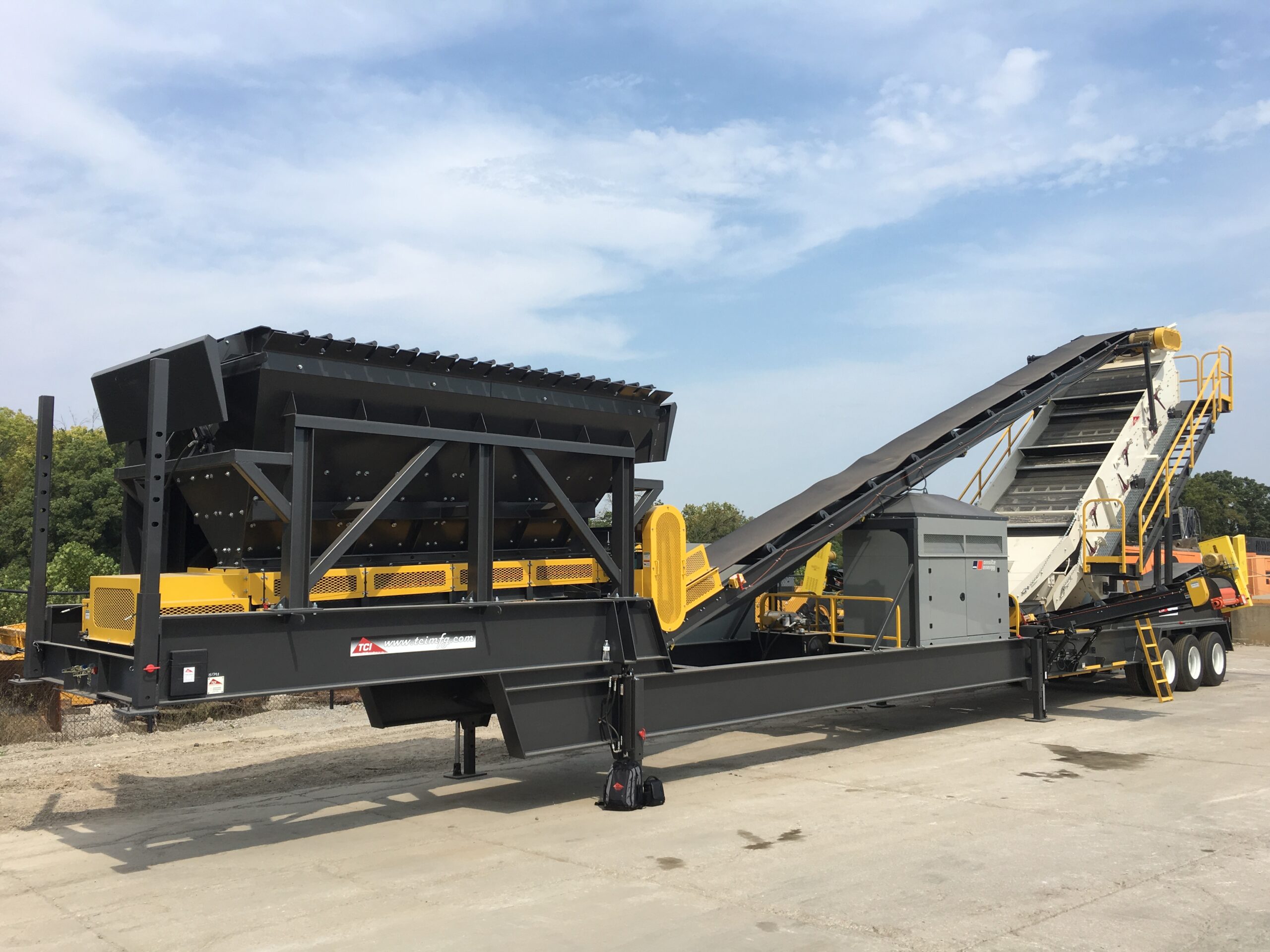
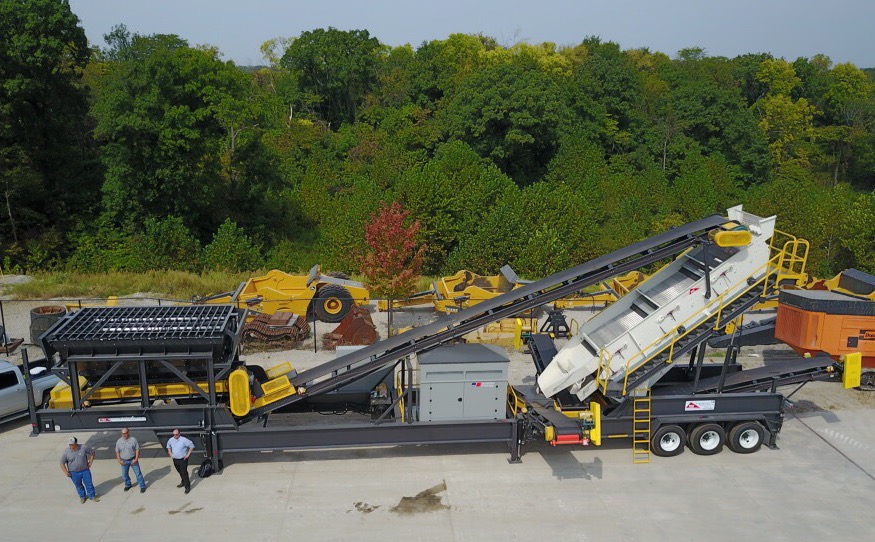
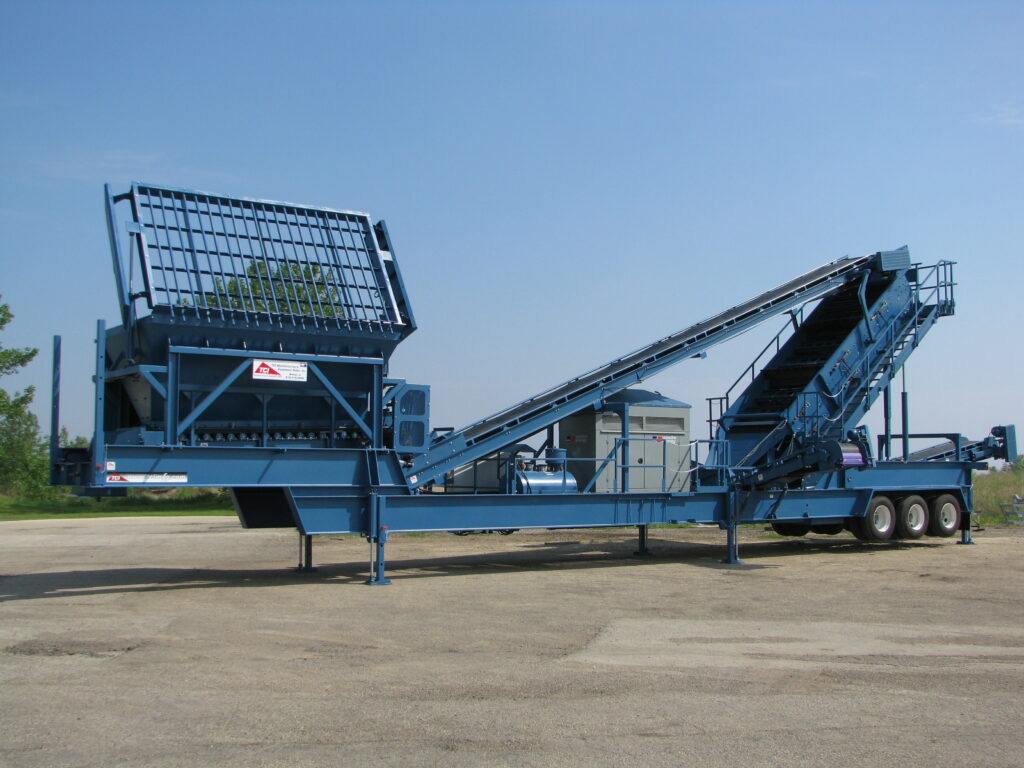
Each TCI portable screening equipment plant for our Wisconsin clients pairs a horizontal screen, chosen by the customer, with the components needed to run it as a complete mobile spread. Plants are available with triple deck screens in several sizes, and they are set up on hydraulic run-on lifting legs. Reversing cross conveyors send product to either side of the plant, which gives operators more freedom in how they lay out stockpiles.
Roll-away over-chutes with blending gates let producers combine fractions when a spec calls for a blended product. Electric switchgear comes included with each plant. Our Walnut, IL support center stocks parts and takes service calls around the clock, so your crew has a direct line to TCI whenever a plant needs attention.