CONVEYING SOLUTIONS
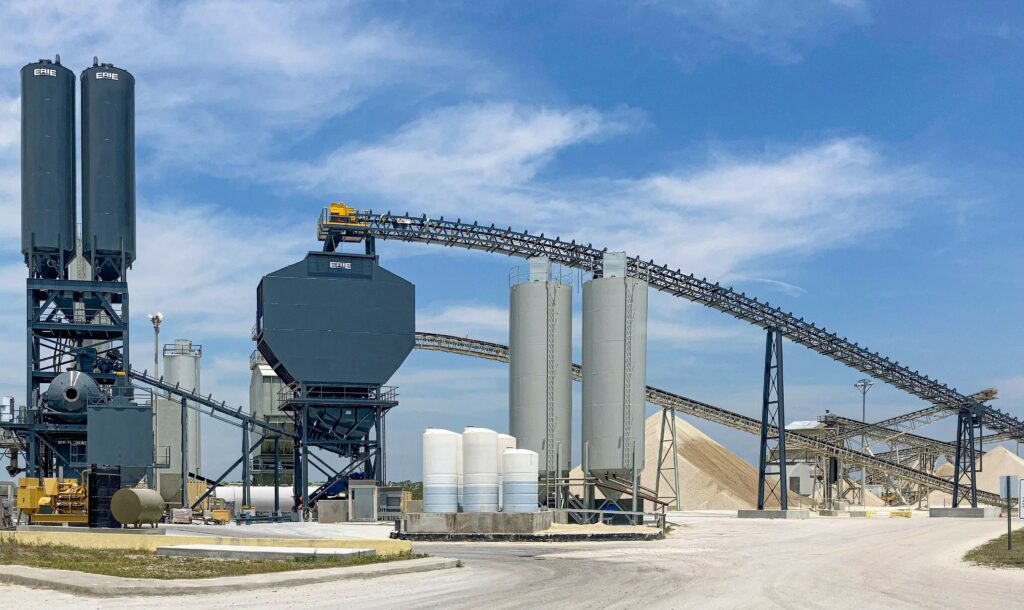
Iowa quarry operators, sand and gravel producers, and construction material suppliers move every ton of product at least once before it leaves the site, and much of it moves several times. TCI Manufacturing designs and builds conveying equipment in Iowa around those material flows, starting with the producer’s tonnage, plant layout, and material rather than a standard catalog unit. The result is a conveyor line that matches how the plant actually runs. Belt conveyors handle most transfer and stockpiling work in an aggregate plant, and TCI also builds screw conveyors where a job calls for an enclosed, controlled feed. Producers planning aggregate conveyor systems in Iowa can source the full line from one manufacturer, which keeps belt widths, components, and support structures consistent from the feed hopper to the stockpile.

Comprehensive Solutions for Any Industry
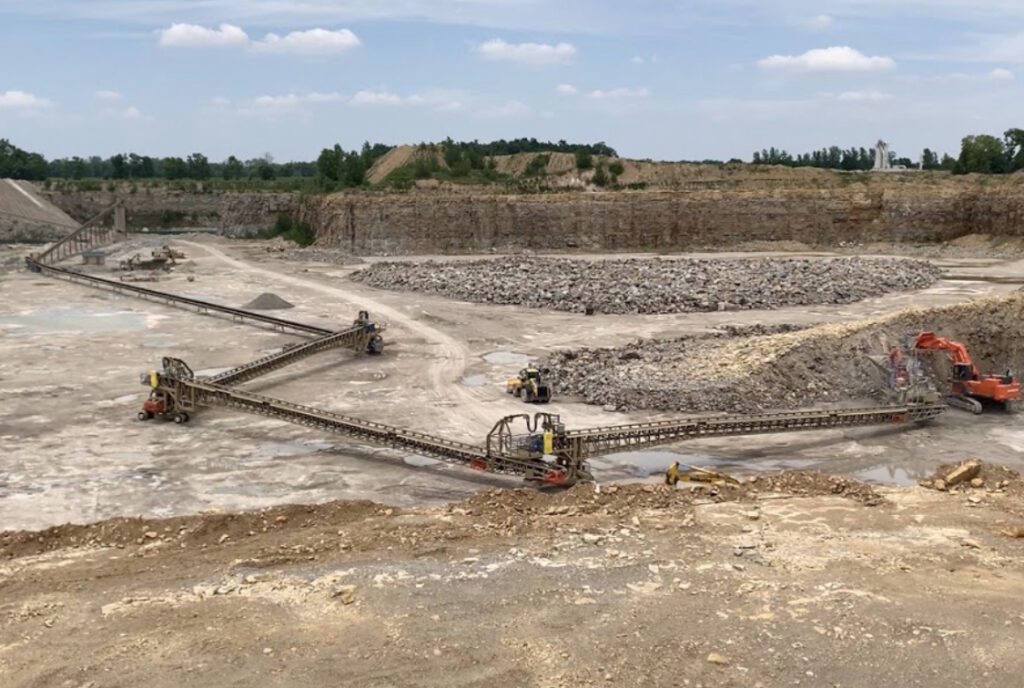
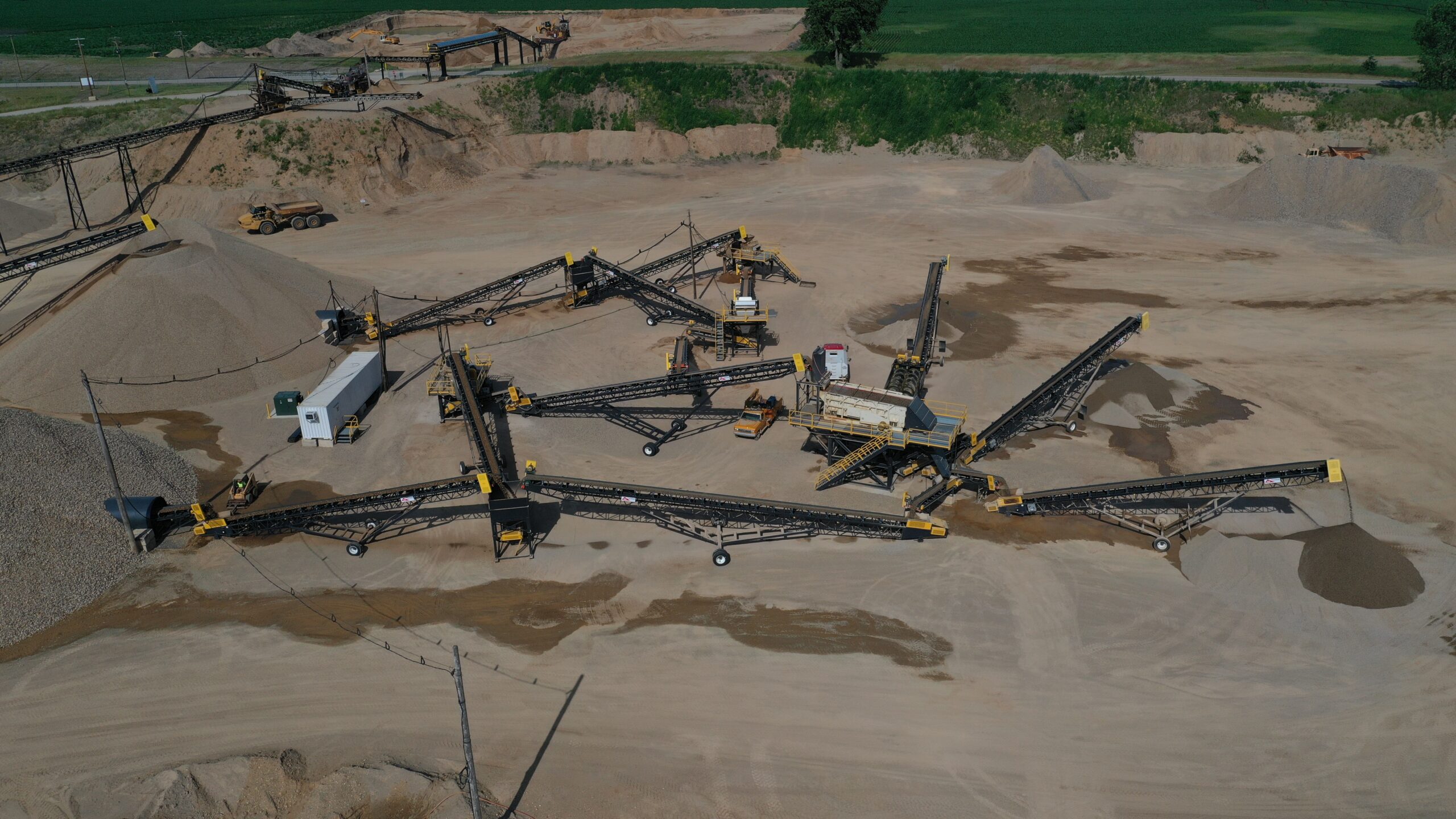
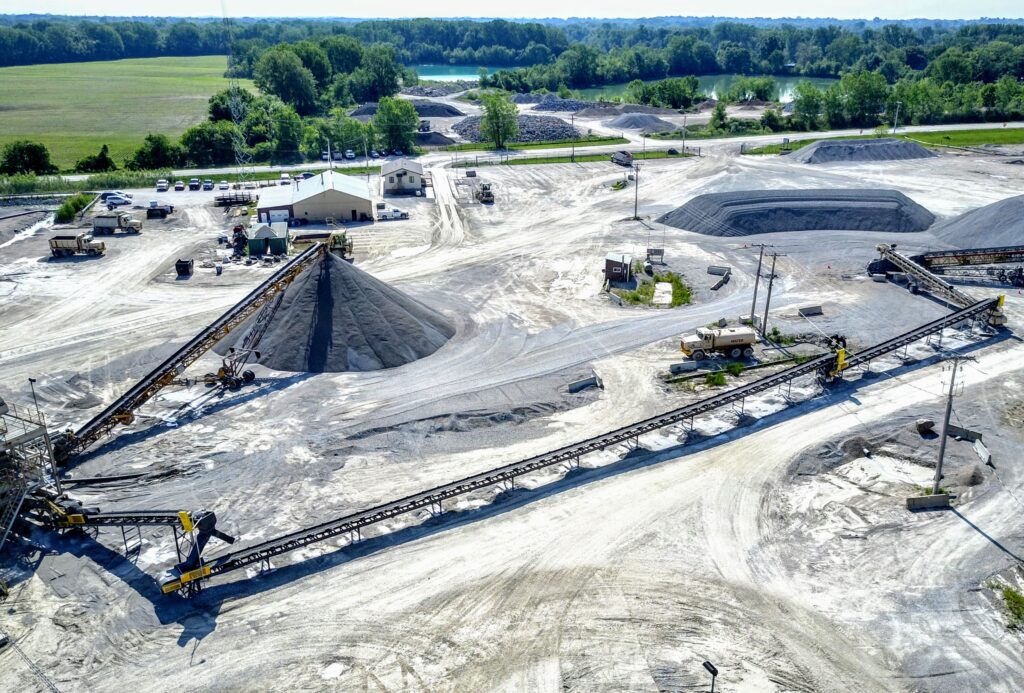
TCI conveying equipment works in Iowa aggregate processing, mining, recycling, and related bulk material industries. A typical layout might combine long transfer runs that link one stage of a plant to the next, radial stackers that build finished product piles, and specialty units for dredging or barge load-out. Producers can order a single conveyor to solve one bottleneck or a complete material handling system, and TCI sizes each piece to the job’s capacity and footprint.
Built for Flexibility and Efficiency
Iowa operations range from portable crushing spreads that follow road and construction work to fixed limestone quarries that run the same products year after year. TCI builds portable conveyors that travel between sites and set up quickly, along with stationary systems designed for steady, high-volume output. Whether a plant needs one transfer point or a multi-stage handling circuit, the conveyor design follows the material path the producer actually uses, which frees loaders and haul trucks for work only they can do.
Reliable Performance in Tough Conditions
Aggregate conveyors carry abrasive stone through dust, mud, and long shifts, and Iowa plants also deal with freeze-thaw cycles and hard cold at both ends of the season. TCI builds its conveying equipment with heavy-duty frames and components sized for those conditions and for high-capacity duty. The aim is long service life with limited maintenance, so the plant spends more hours producing and fewer hours waiting on repairs.
RADIAL STACKING CONVEYORS
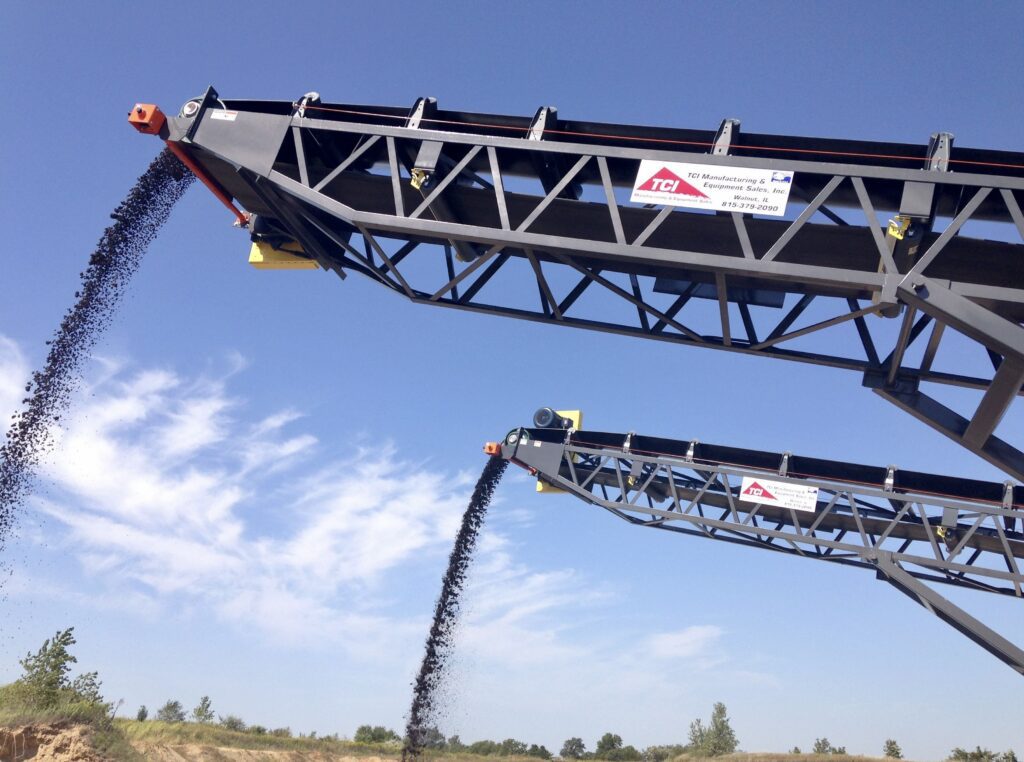
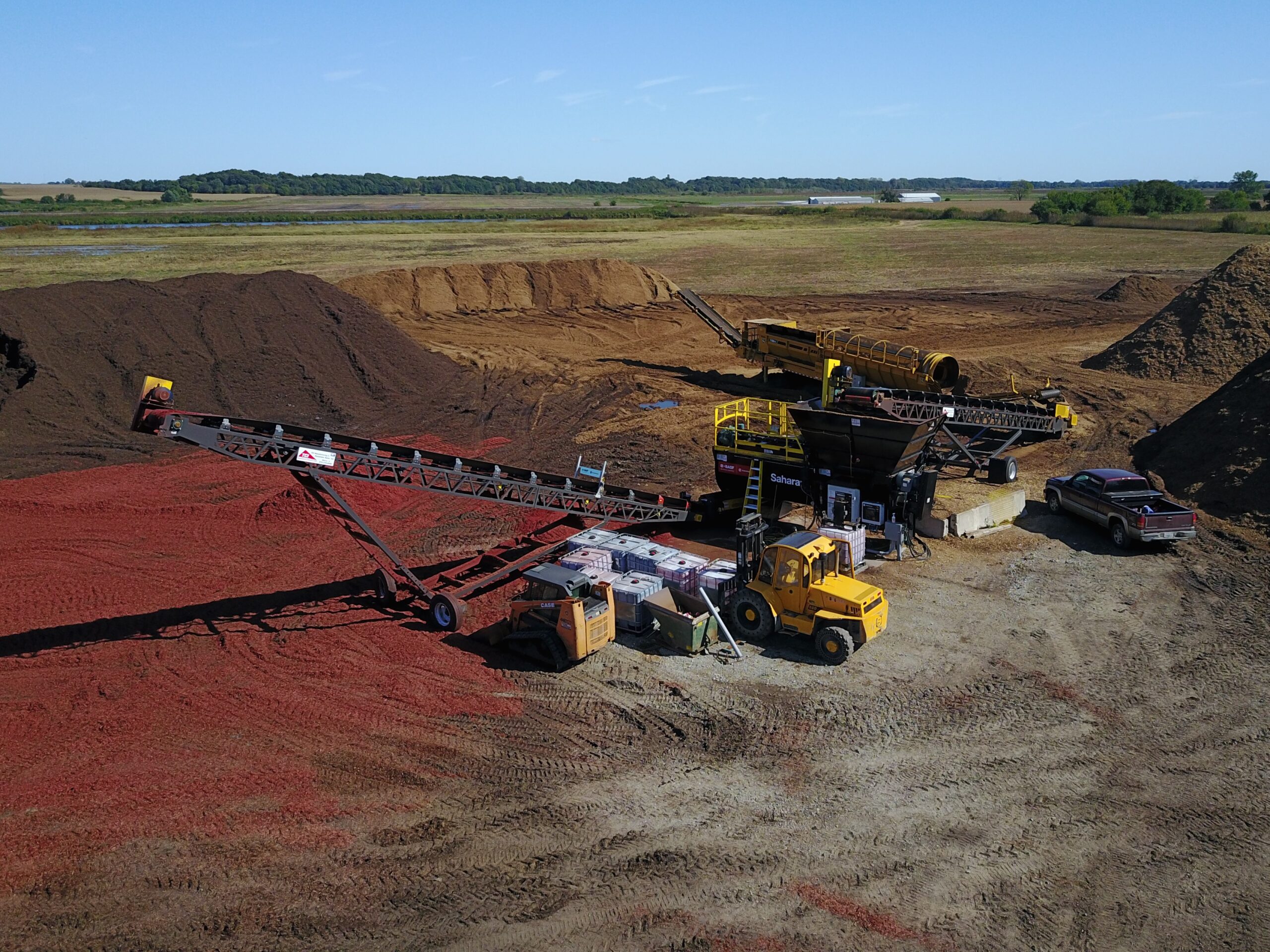
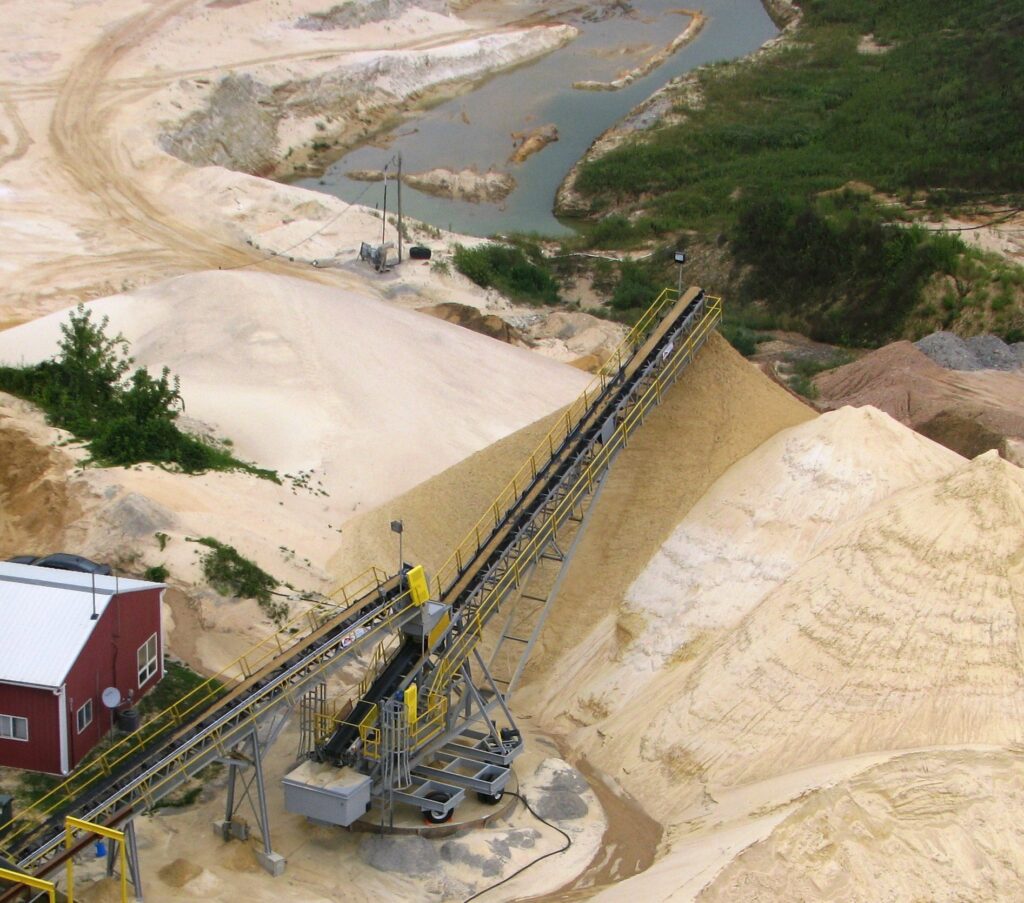
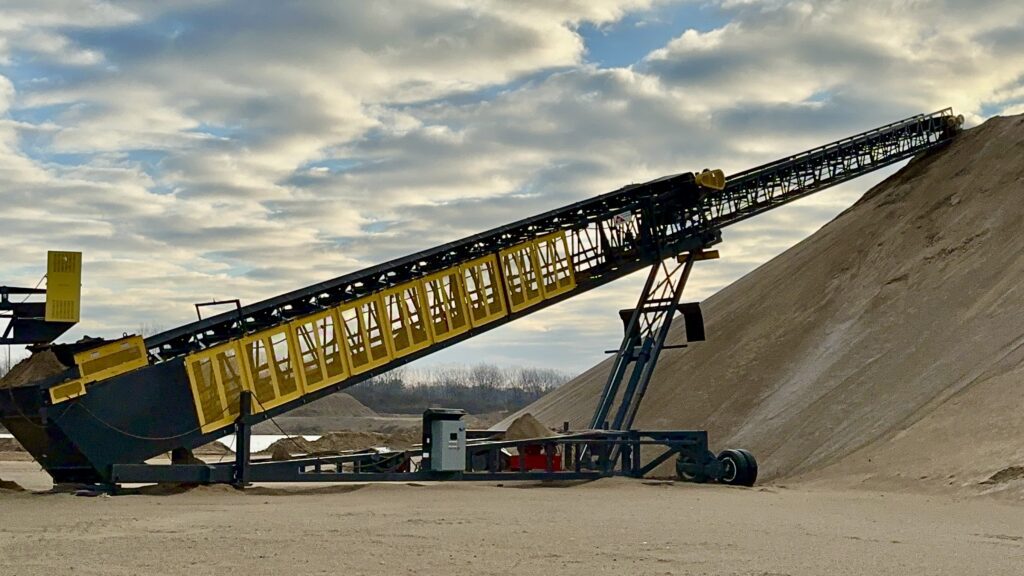
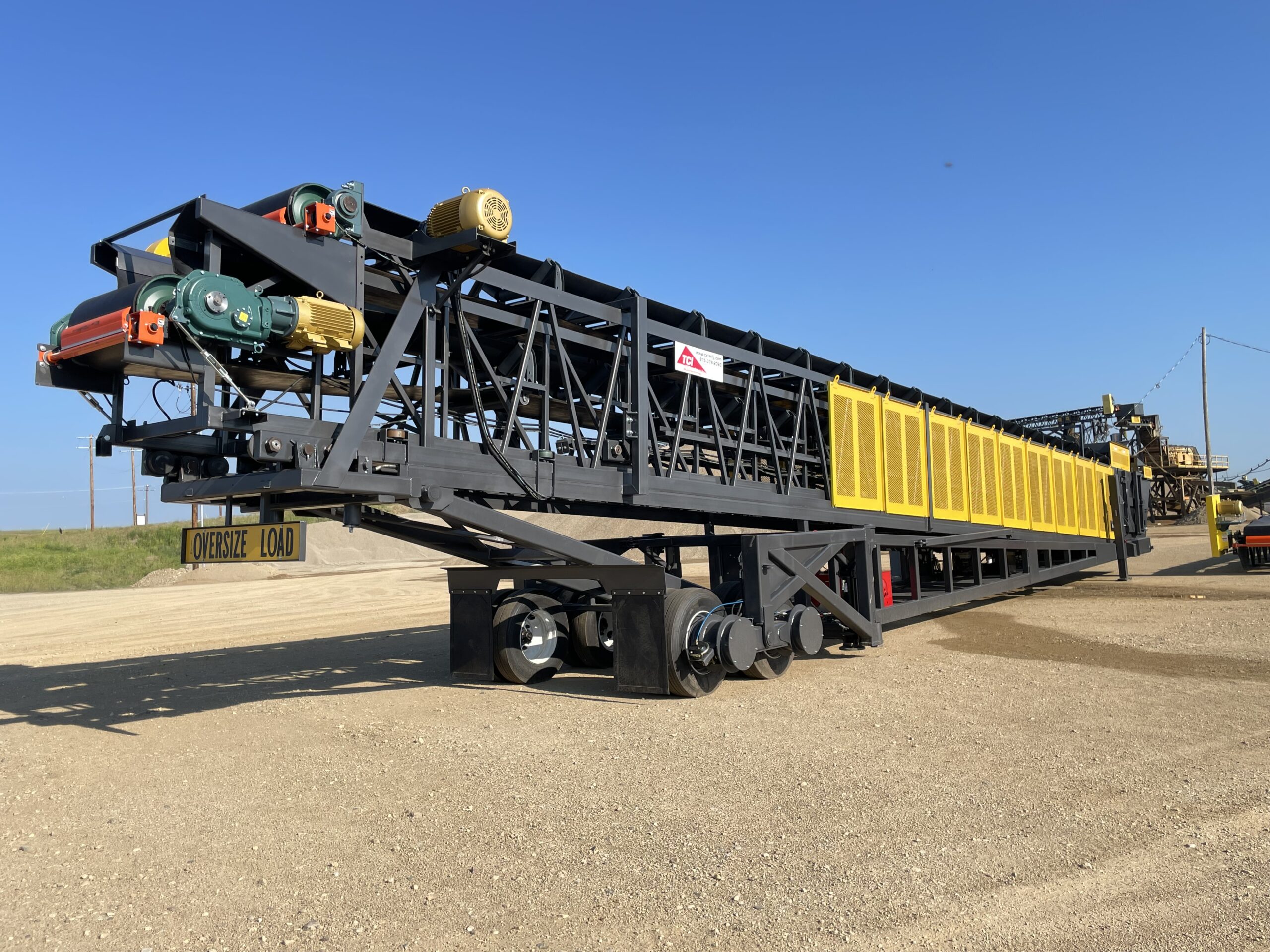
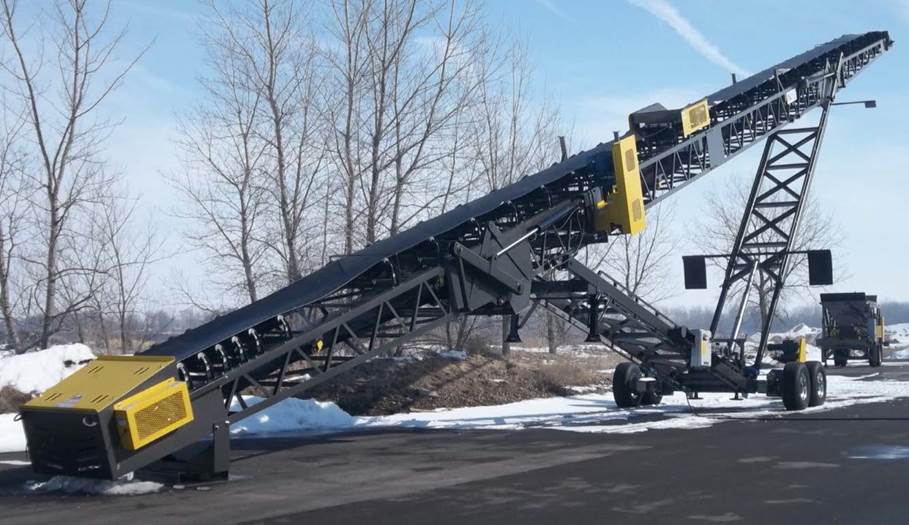
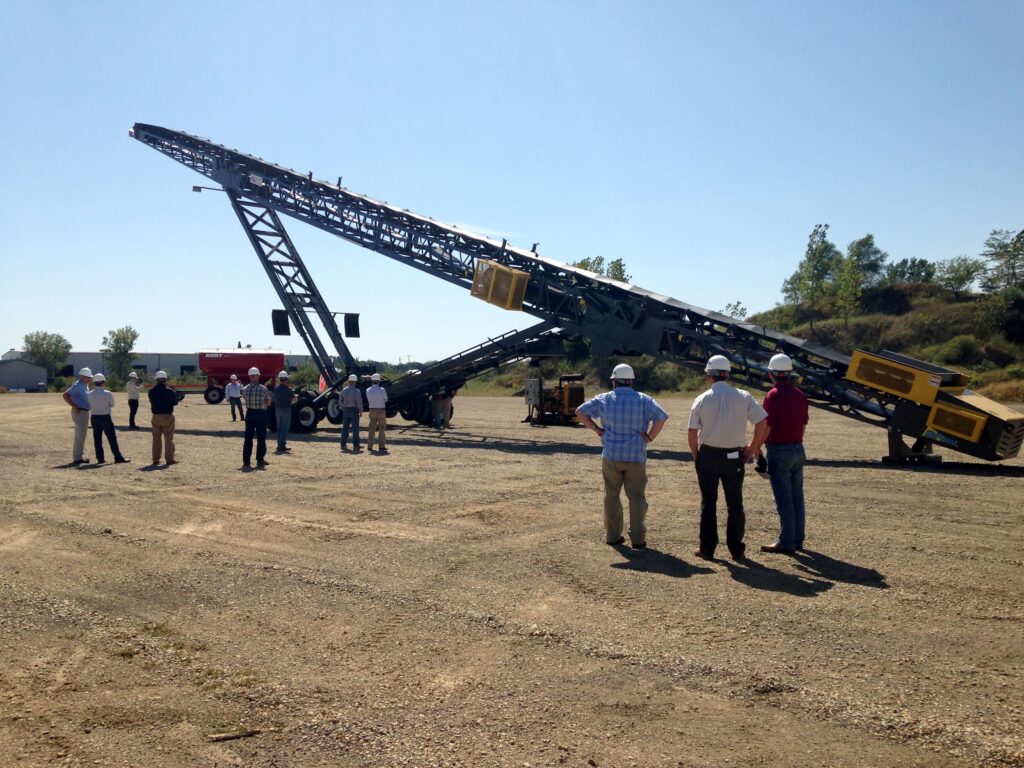
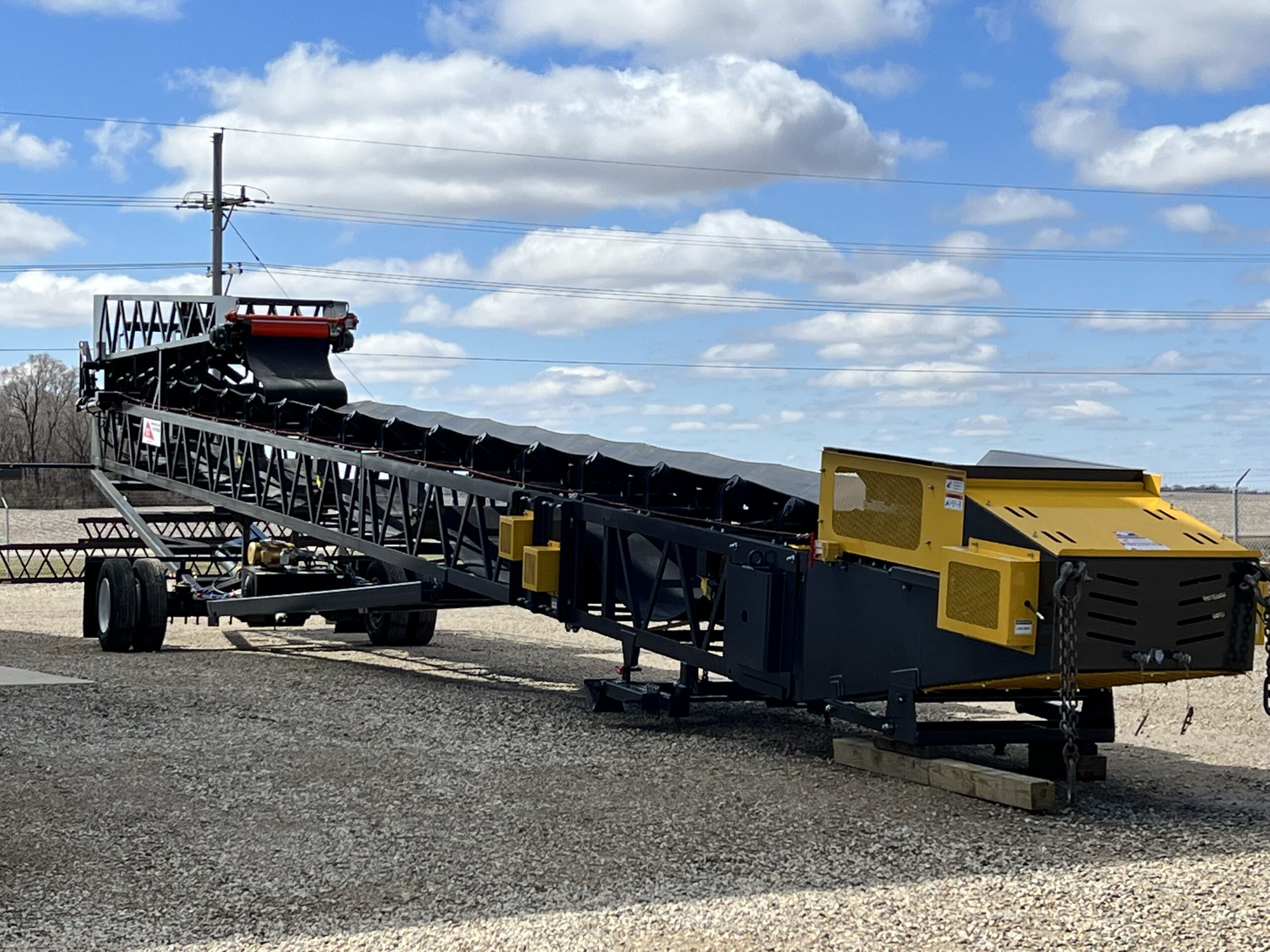
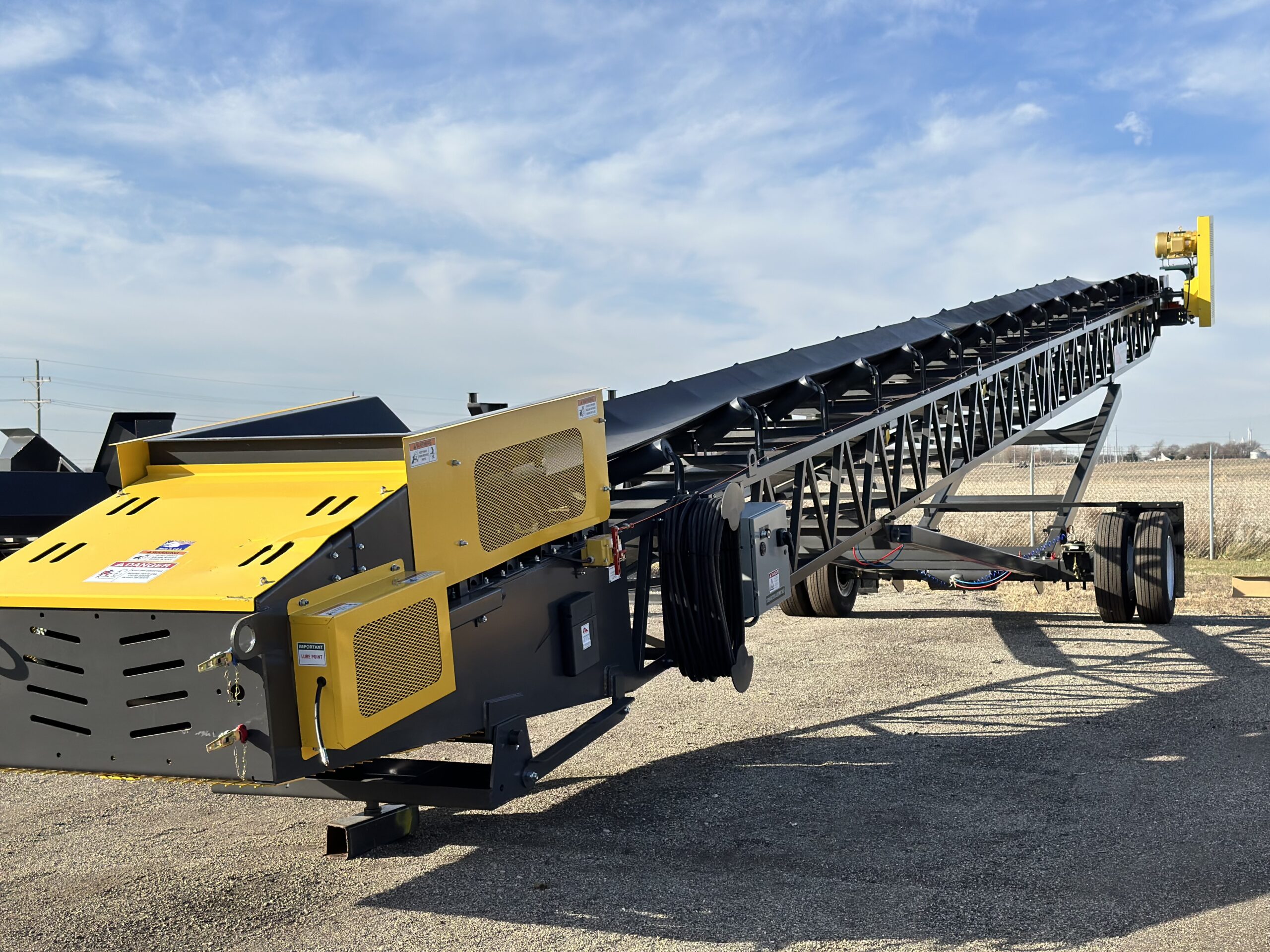
TCI builds radial stacking conveyors in portable and stationary versions for mining, aggregate, and recycling operations. Every stacker uses heavy-duty steel and parts, because a radial stacker sits at the end of the line, handles every ton the plant sends it, and stays exposed to weather for most of its working life. Portable stackers move from road travel to operating position quickly. A crew can tow a unit to a new pit or quarry, deploy it, and start building stockpiles with little delay between arrival and production. That fast setup pays off for contractors who relocate crushing and screening spreads several times a season, and for sites where space or time is tight. Producers who operate from one location can choose a stationary stacker built for permanent placement instead, with the same heavy-duty construction behind it.
TRANSFER CONVEYORS
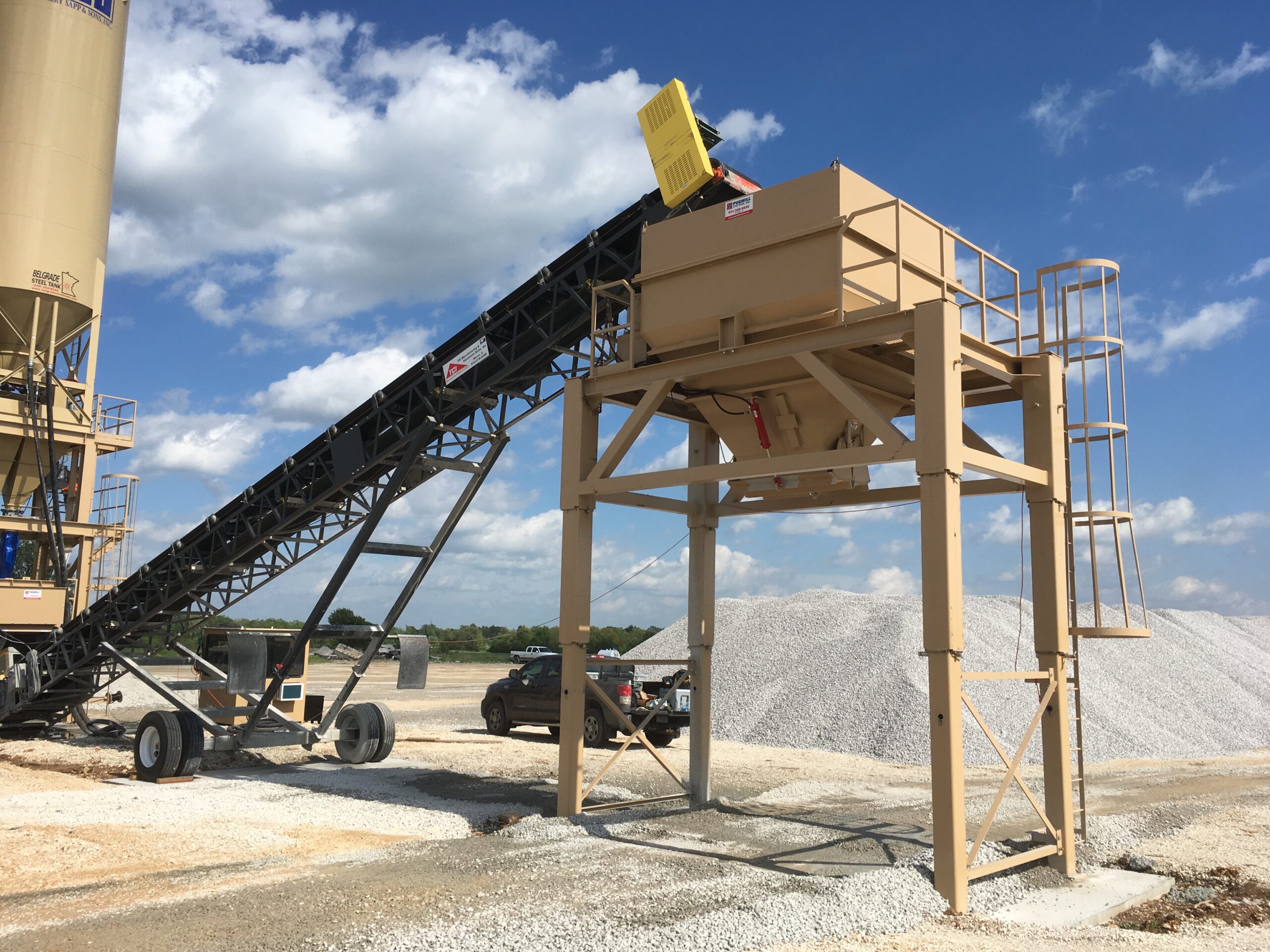
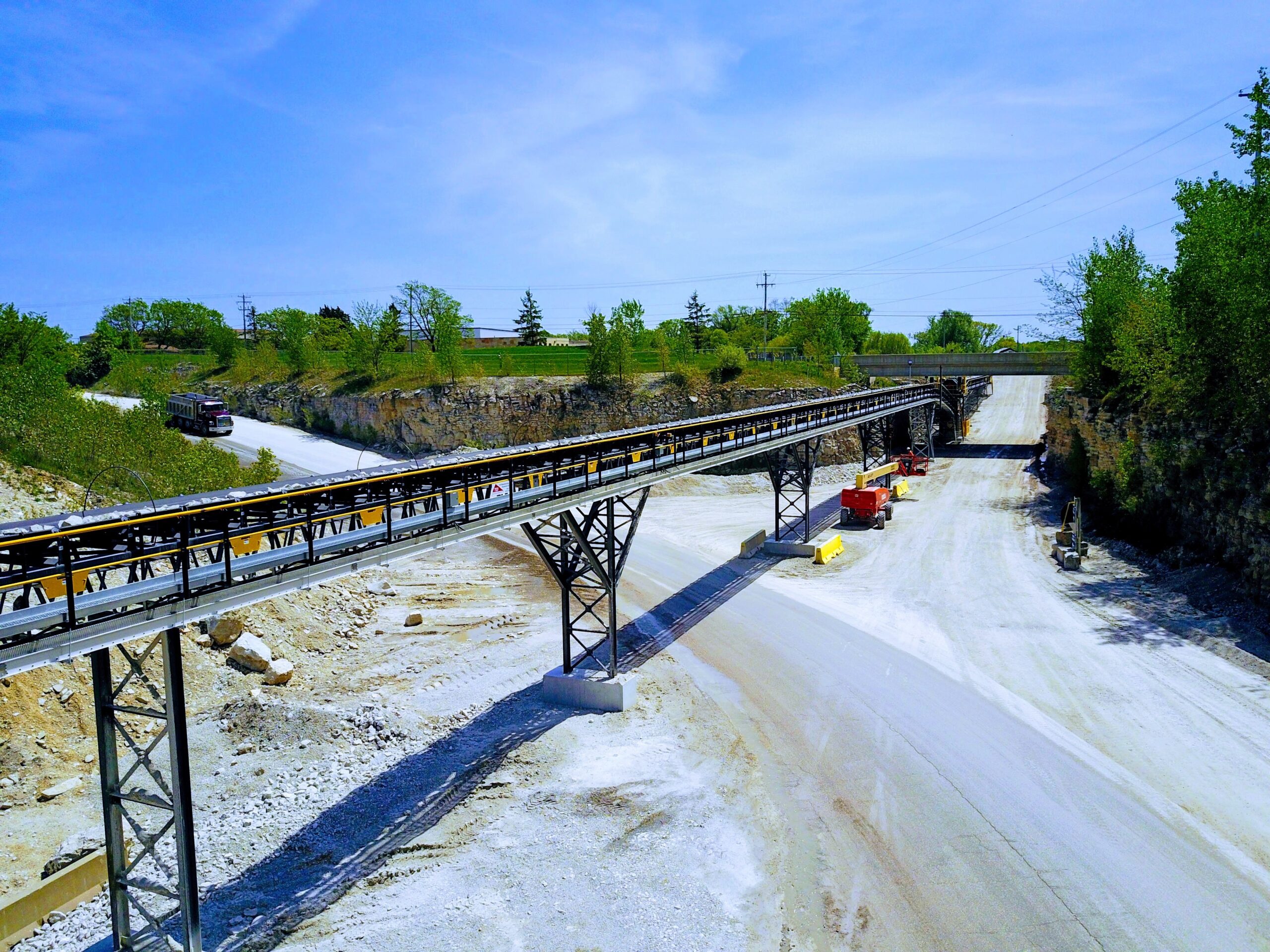
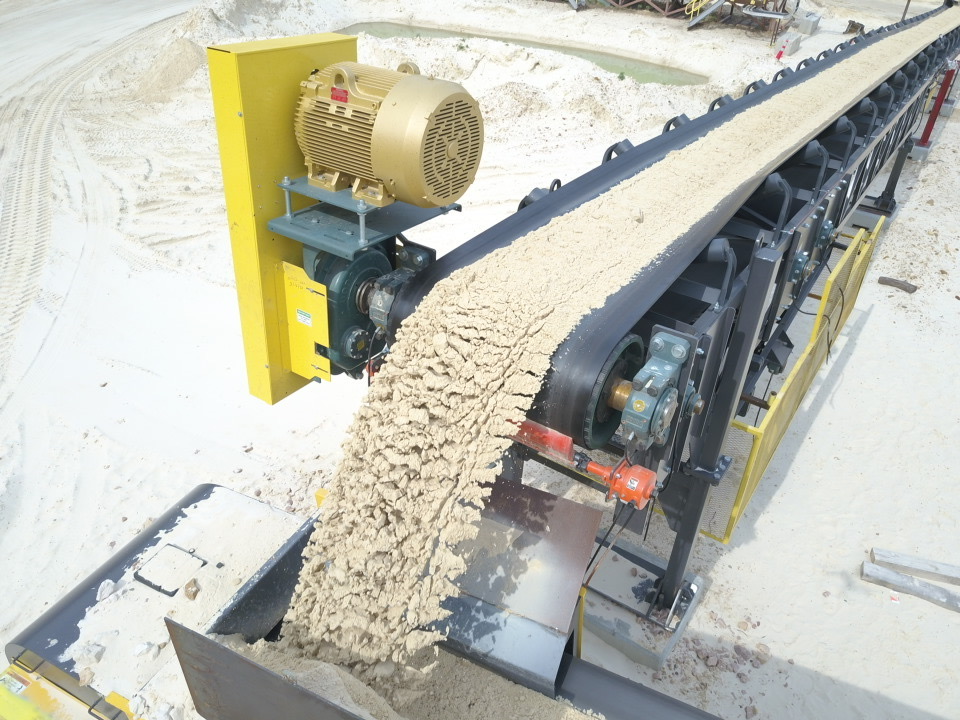
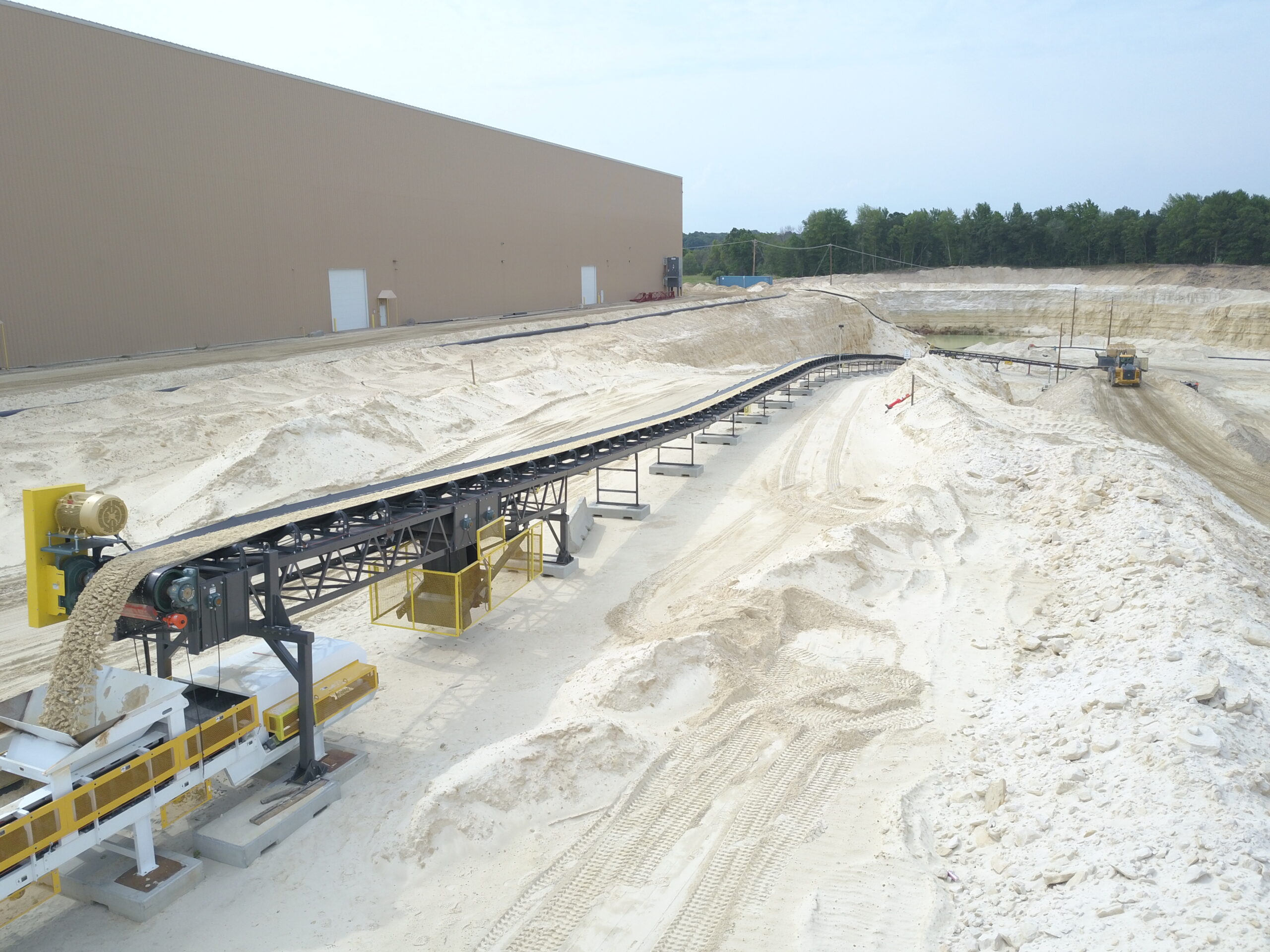
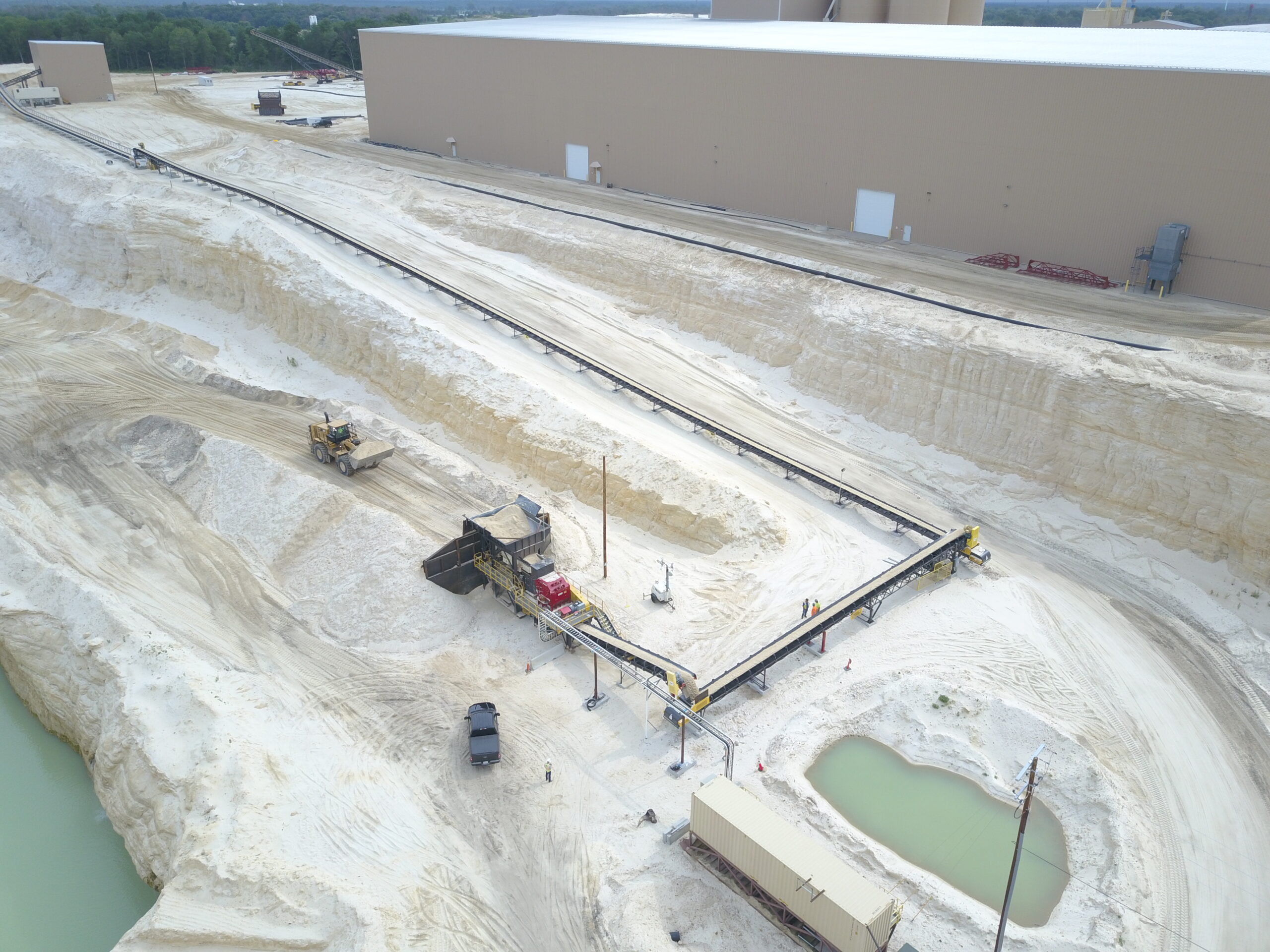
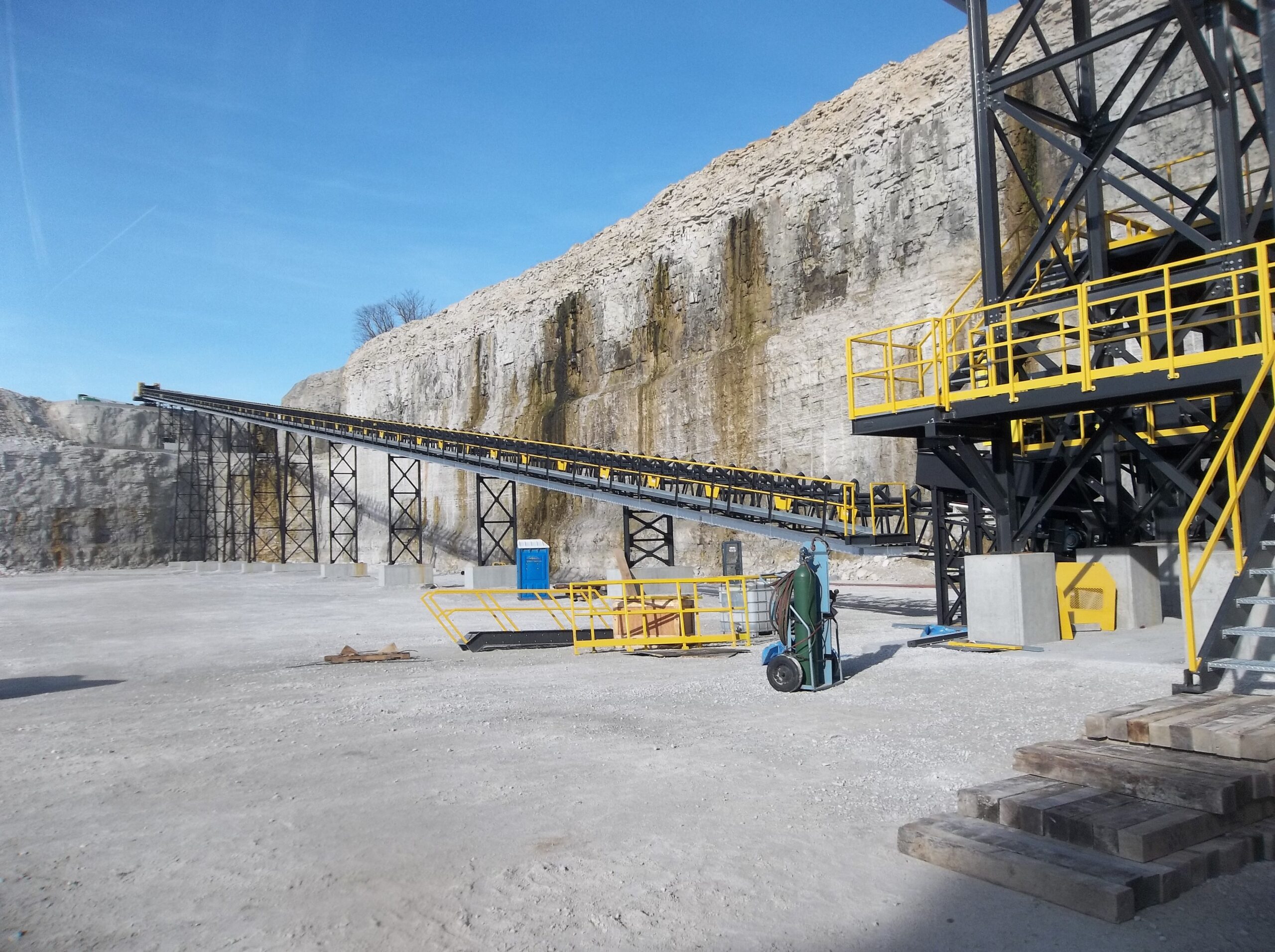
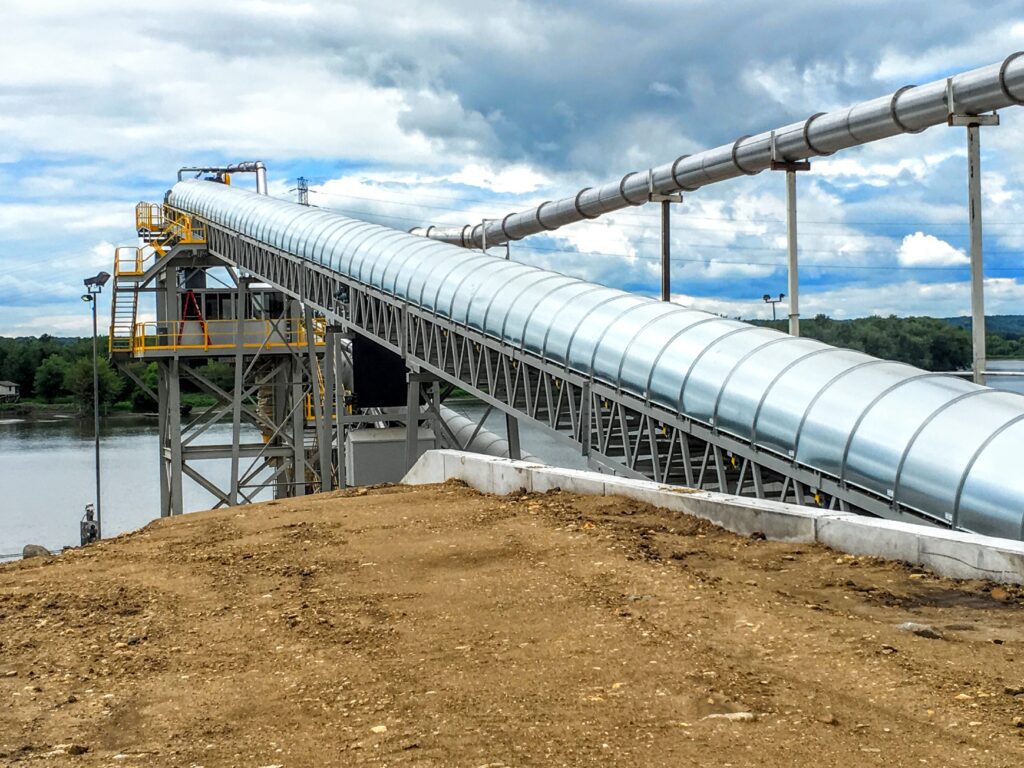
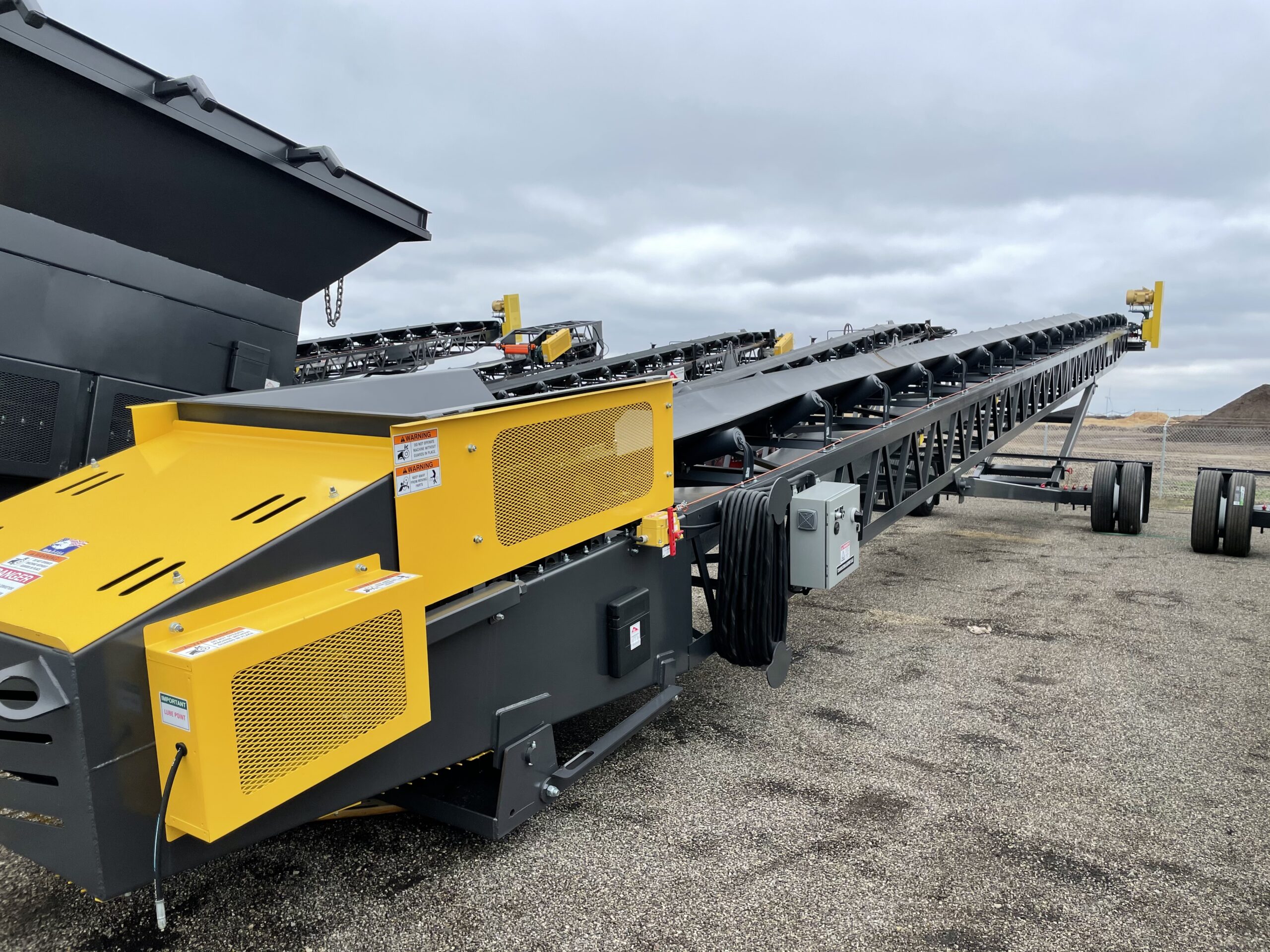
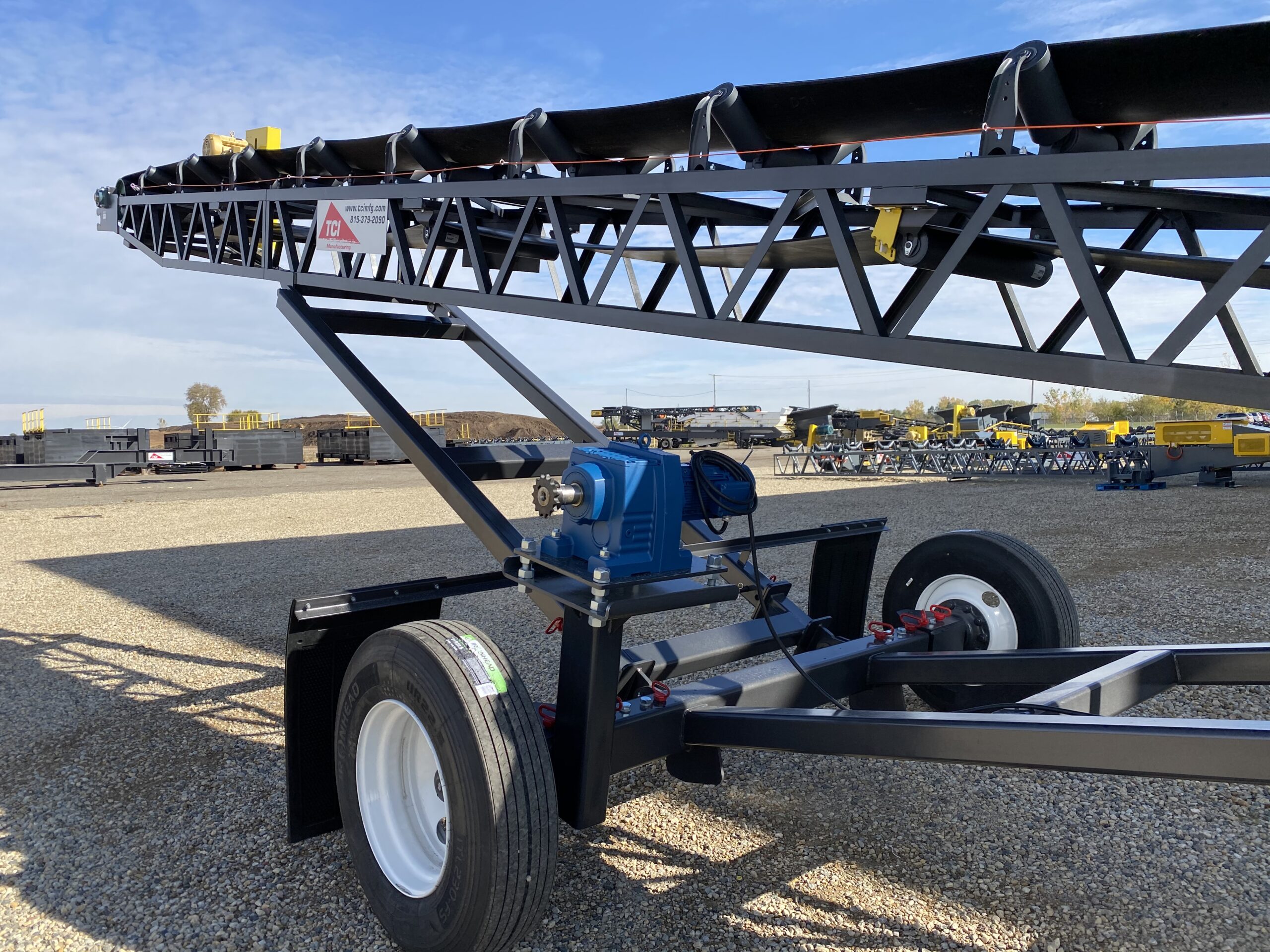
Transfer conveyors for your Iowa operation connect one piece of equipment to the next, and TCI builds them to the length and belt width each plant layout requires. Producers choose between a deep truss frame and a channel frame. Both designs give the conveyor the strength and stability to carry heavy loads through long production days, and the right choice depends on span, load, and how the conveyor ties into the rest of the plant. Support height is just as adjustable as length. TCI offers A-frame supports that can be built to virtually any height, so a transfer conveyor can clear a haul road, reach a screen deck, or feed a tall bin without a field-built workaround. Because length, width, frame style, and support height are all set during design, each transfer conveyor fits its place in the plant instead of forcing changes elsewhere in the layout. That planning shortens installation and keeps material moving at the rate the rest of the circuit expects.
STACKABLE CONVEYORS
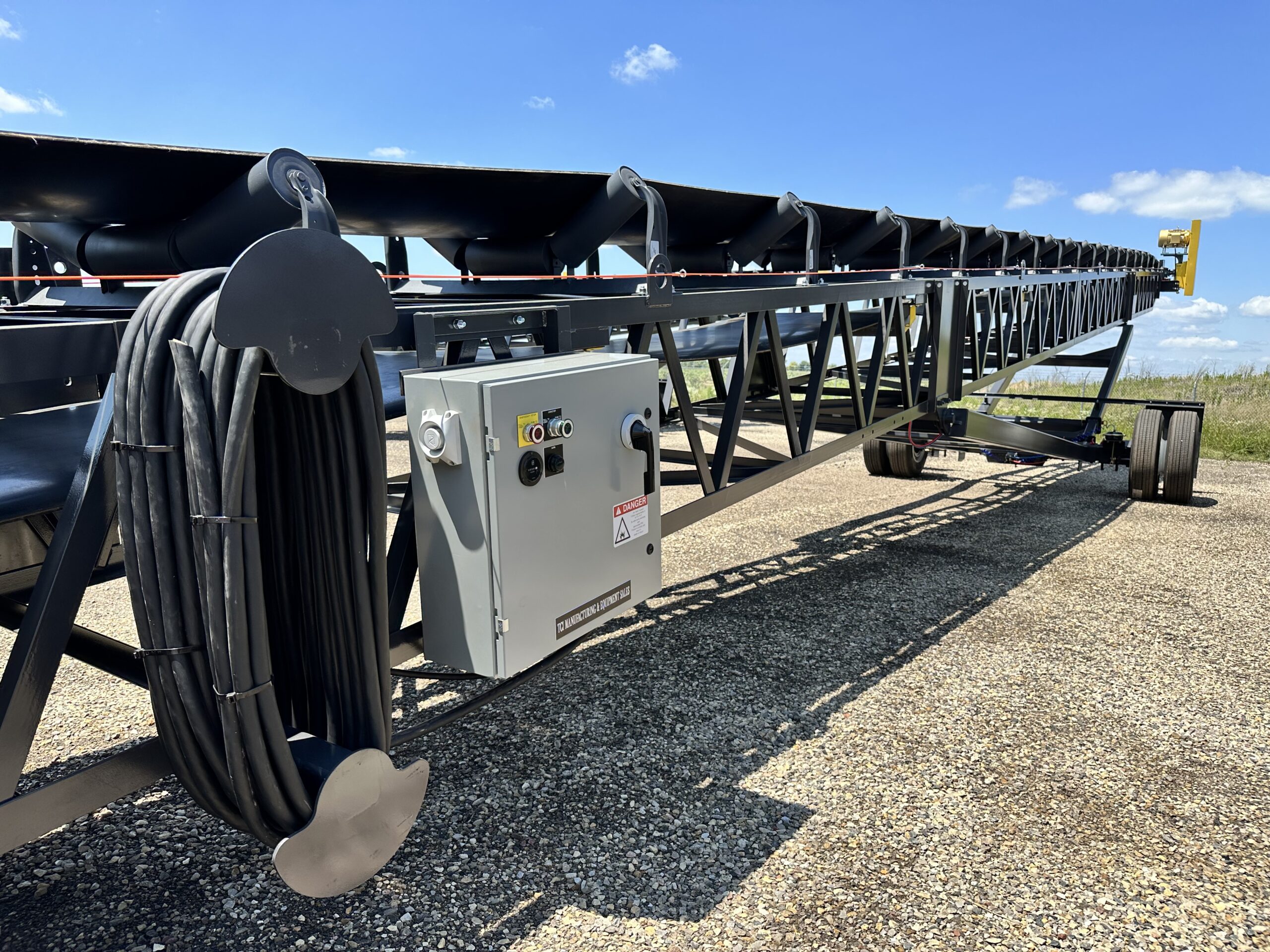
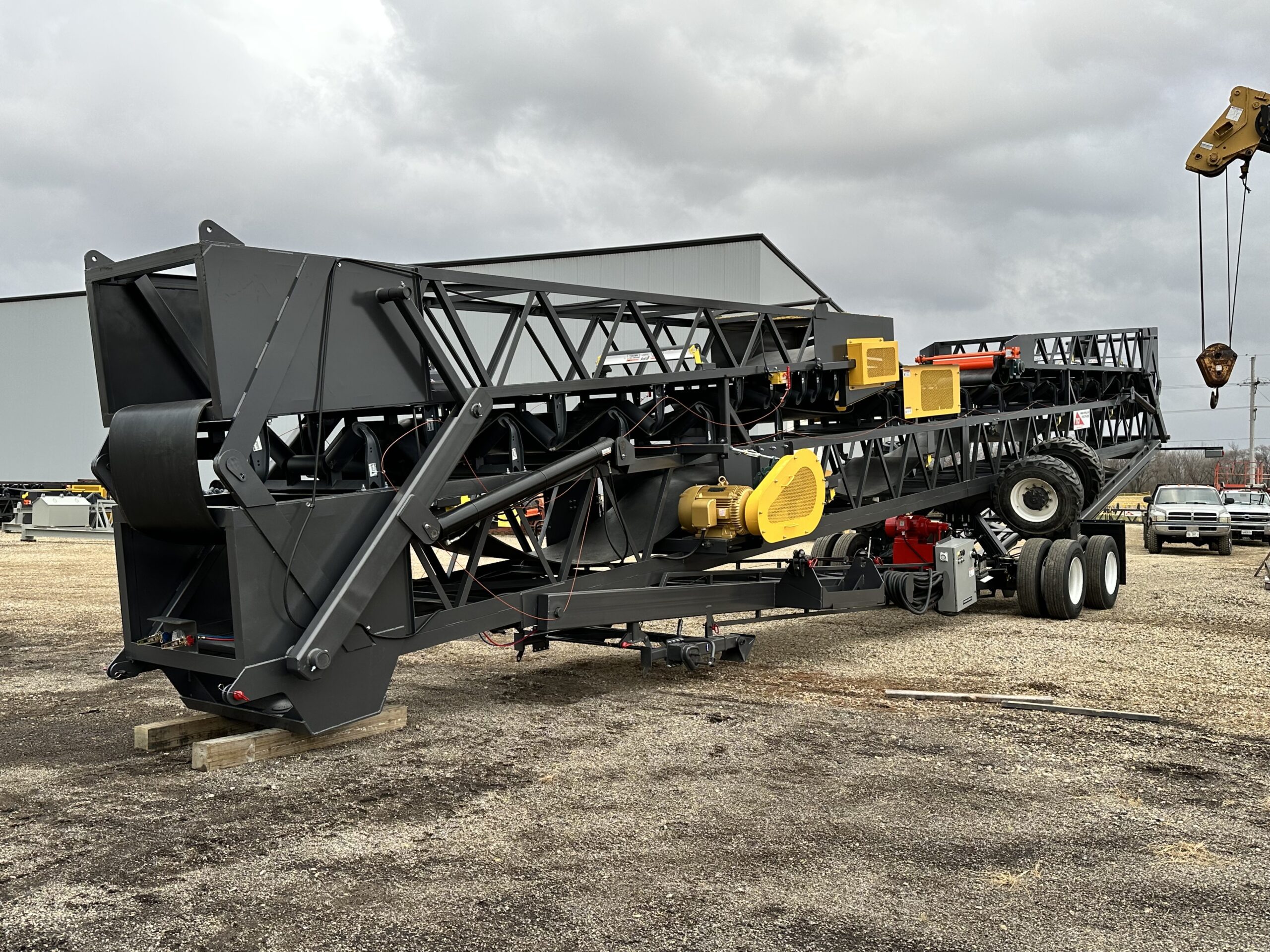
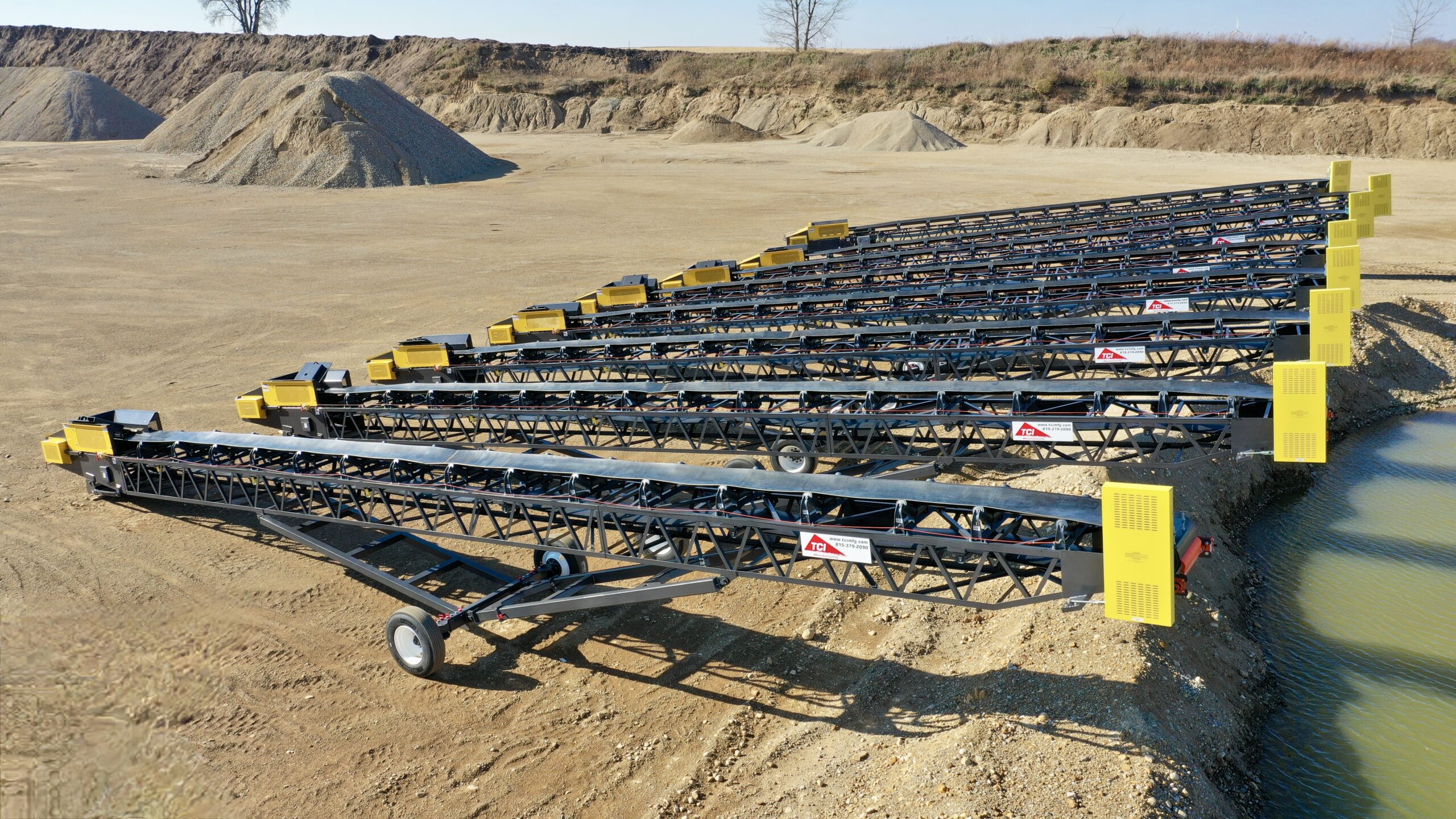
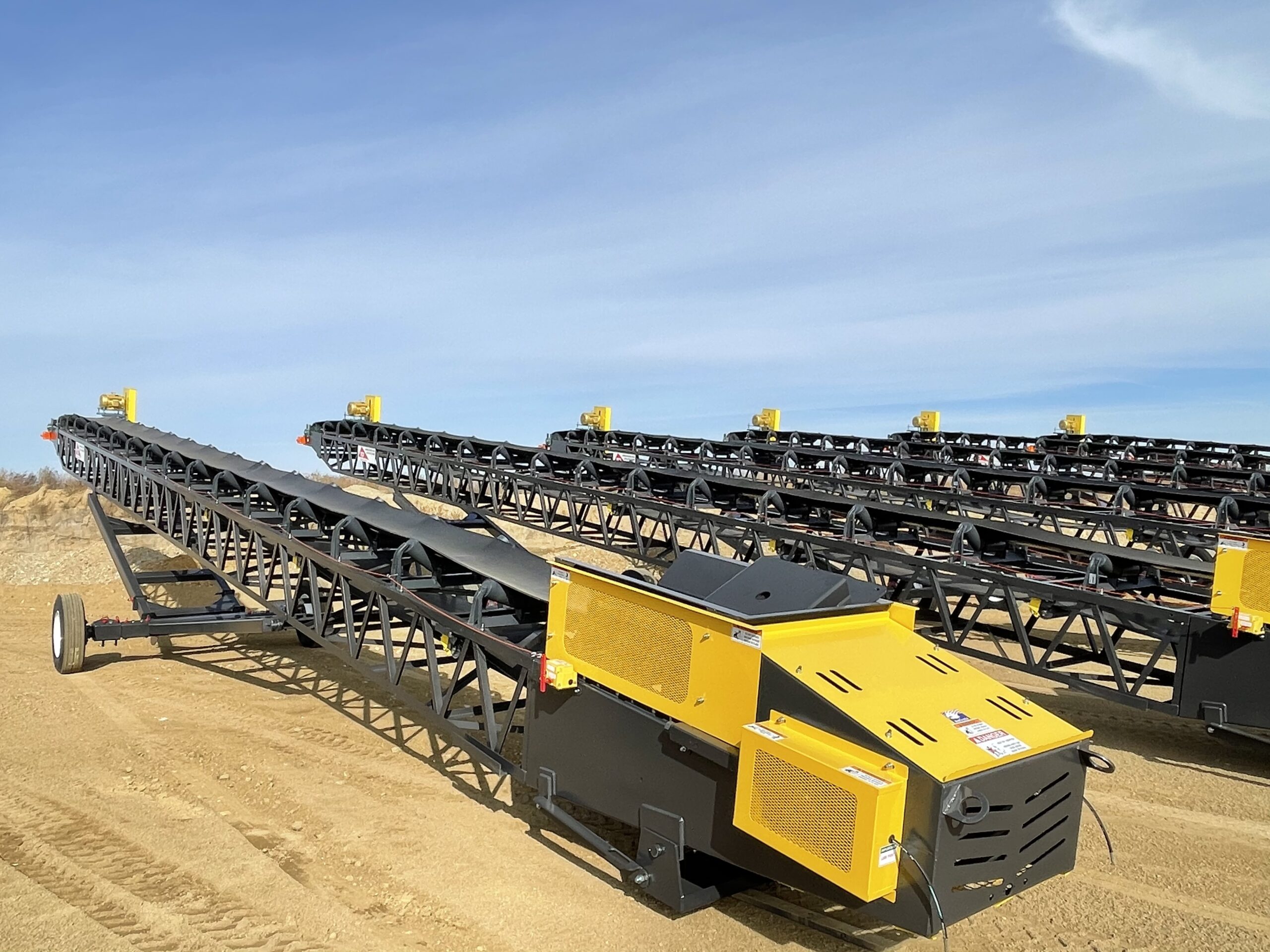
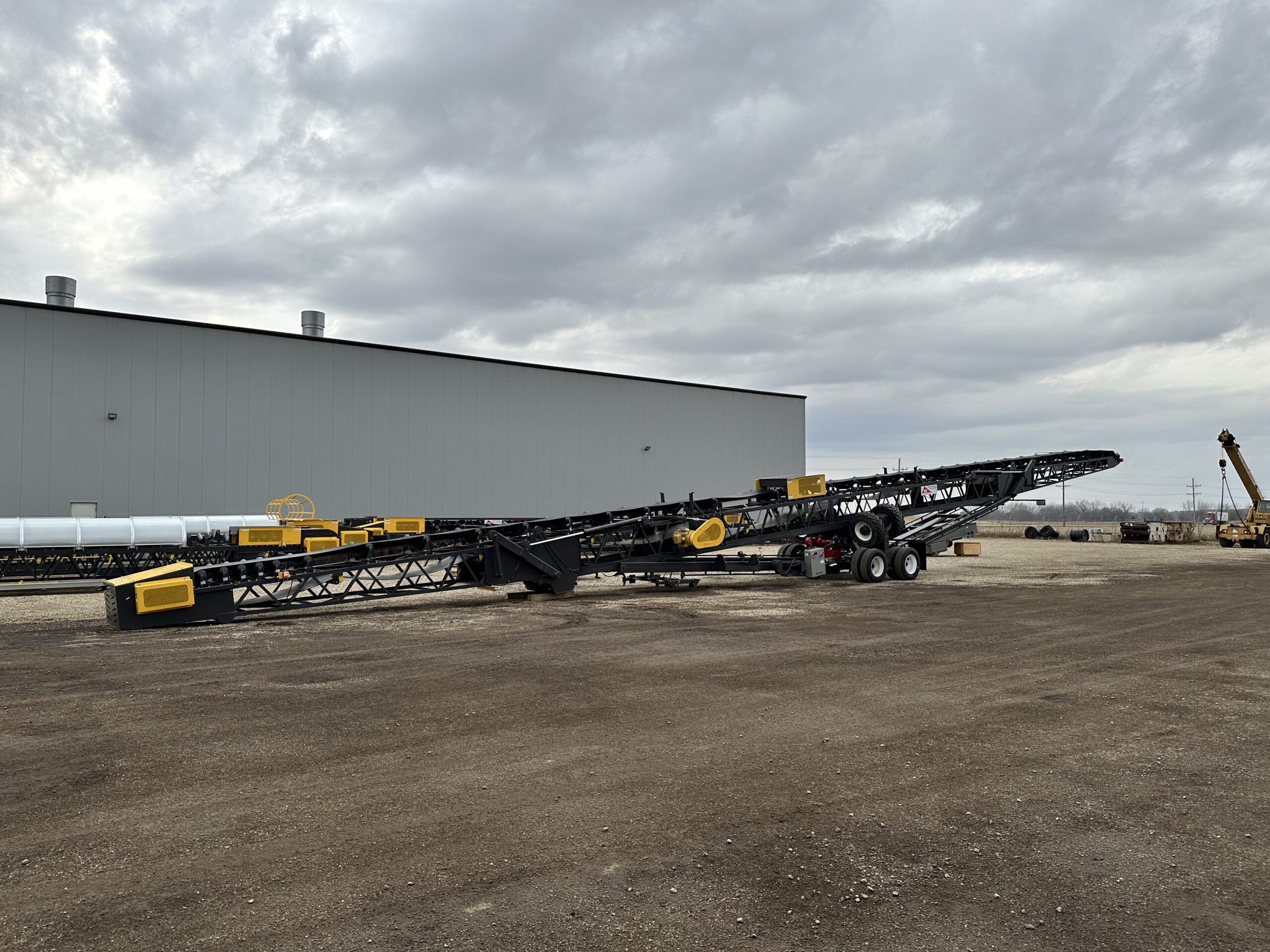
TCI’s stackable conveyors give Iowa field crews more conveyor length per truckload. One load of “Piggyback” conveyors carries up to 160 feet of conveyor, and one load of Triple Stacked portable transfer conveyors carries up to 240 feet. Crews load and unload the units with a loader, so neither end of the trip requires a crane. Each unit comes road-ready with air brakes, travel lights, and mud flaps, and belt widths run up to 42 inches. For Iowa producers stretching a portable plant across a large pit or a temporary site, stackable conveyors reduce the number of hauls needed to reach full conveyor length. Fewer trips and no crane rental also shorten the time between moving onto a site and running the first tons through the plant.
TELESCOPING CONVEYORS
Stockpile segregation costs aggregate producers money. As material rolls down a conical pile, coarse and fine particles separate, and the product a loader picks up from one side of the pile may not match the gradation on the other side. TCI telescoping conveyors for your Iowa operation address that problem with an automated telescoping section that spreads material more evenly across the pile, which keeps gradation more consistent and cuts the rework needed before product ships to a customer. The adjustable length also extends reach. Operators can build larger stockpiles from one position instead of moving the conveyor again and again, and one telescoping unit can cover ground that would otherwise take several fixed stackers. Fewer units and less repositioning lower the labor tied to the stockpile area. TCI builds these conveyors to hold up in harsh conditions, and they transport and set up readily for operations that move often. Producers can order telescoping conveyors for stationary or portable use, depending on whether the stockpile area stays in one place or follows the job from site to site.
FLOATING CONVEYORS
Sand and gravel producers who dredge from flooded pits and river deposits need a dependable way to move material from the dredge to shore. TCI floating conveyors carry that material across the water. A swivel point lets the conveyor follow the dredge as it works across the pit, which keeps material flowing without frequent repositioning on the water. That flexibility matters, because every adjustment over water takes more time, more equipment, and more effort than the same adjustment on land. Each floating conveyor includes a radial-type receiving hopper, a head end turn style, and a head end discharge hood. Catwalks and handrails surround the head end and the drive side, which gives crews safer footing for inspection, cleanup, and maintenance away from shore. Together, these features let a dredging operation deliver material from the dredge to land-based screens, wash equipment, or stockpiles in a controlled way. The result is a wet plant that stays supplied and a crew that spends less time solving the logistical problems that come with working on the water.
BARGE LOADING CONVEYORS
Barge load-out conveyors handle grain as well as aggregate, which makes them relevant to producers and shippers along Iowa’s Mississippi River border. TCI built one load-out conveyor with drive-over truck unloading. Trucks pull across an underground hopper and dump through wide-open hopper gates, and the conveyor runs at a speed that keeps pace with that discharge. On that project, trucks unload dried distillers grains at 17 tons every 1 1/2 minutes, and the conveyor carries a rated capacity of 1,400 tons per hour. Matching the conveyor to the truck discharge rate keeps trucks moving through the hopper instead of waiting in line at the dock. An adjustable discharge spout, operated by remote control, lets the operator direct material into the barge without repositioning the conveyor. That control helps crews spread the load across the barge and hold throughput steady from the first ton to the last. TCI builds barge load-out conveyors for aggregate producers shipping stone and sand by water and for grain handlers moving bulk product to river terminals. In both cases, a conveyor sized to the actual truck and barge schedule removes one of the most common bottlenecks at the dock.
TRIPPER CONVEYORS
A tripper conveyor builds long, continuous stockpiles from a single conveyor. The tripper discharges material at chosen points along the belt, so one system can place product in several locations along its length and make better use of the available storage footprint. This layout helps producers organize inventory by product and get more storage out of limited yard space. Tripper conveyors also suit indoor stockpiling, which protects material from rain, snow, and freezing and keeps it easier to reach in bad weather. Operators can configure the tripper system around the building or yard they already have, which avoids a separate stacker for each product pile.
MAST-TYPE STACKERS
TCI’s mast-type radial stacker uses a deep truss design for strength and stability during heavy stacking work. The mast arrangement also allows more adjustment in head end height, so the producer can set discharge height to suit the site and the size of the pile. This stacker fits stationary applications that move large volumes of heavy material every day, such as a quarry’s main finished product stockpile. The mast-type stacker operates effectively at a range of angles, and that adjustability helps limit segregation and degradation as material lands on the pile. Controlled discharge height reduces breakage and keeps coarse and fine particles more evenly mixed through the stockpile. For producers selling material to a specification, the benefit shows up as stockpiles that hold closer to the gradation the customer ordered and less product lost to fines generated during stacking. Combined with the strength of the deep truss, the design gives a permanent plant a stacker that keeps product quality steady over years of service.
SELF-CONTAINED CONVEYORS
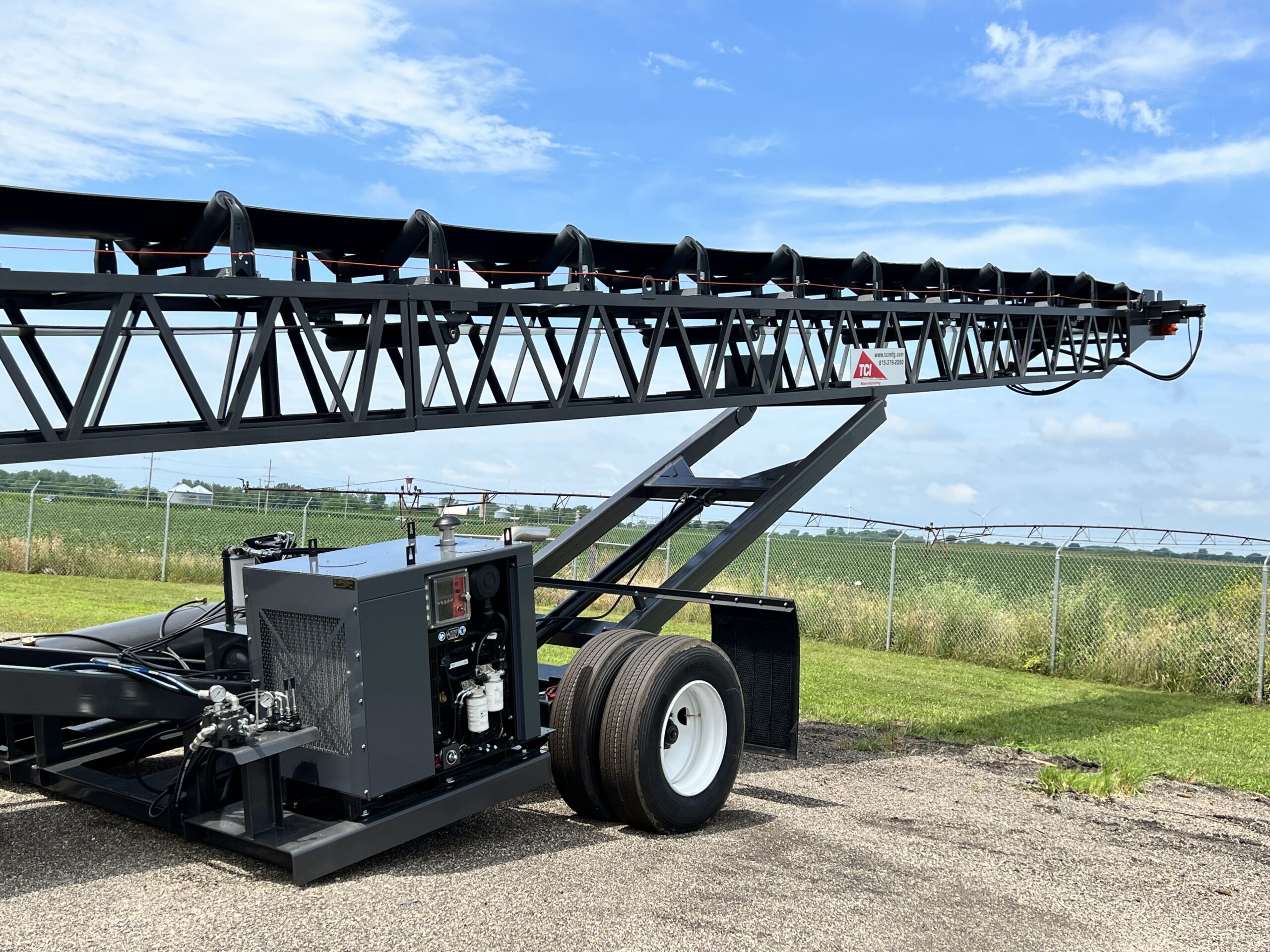
TCI’s self-contained conveyors run on diesel hydraulic power, so they operate at sites with no electrical service. Large fuel tanks carry each unit through a full shift without a stop to refuel. An enlarged hopper along with power fold, power raise, and power travel make setup and daily operation simpler for the crew, and they let a self-contained conveyor go to work at a remote pit or temporary site with little preparation.
Questions? Contact Us
We build these conveyors in several sizes and belt widths, from compact units for tight spaces to larger models for high-capacity work. Our team configures each one around the conditions at your site, and our parts and support staff answer calls 24/7/365 once your conveyor is running.
CONVEYING EQUIPMENT GALLERY